The 2026 NBA postseason has reached a significant inflection point, with the Eastern Conference exhibiting its highest volume of first-round Game 7s since 2014. This statistical anomaly indicates a definitive erosion of top-seed dominance, transitioning the league from the predictability of 2025 into a high-volatility environment defined by tactical parity and extended series duration.
For the involved franchises, these elimination games trigger a complex reconfiguration of operational priorities. Beyond the immediate competitive stakes, the move to a seventh game necessitates rapid adjustments in player physiological recovery, broadcast inventory valuation, and the logistical management of the subsequent semifinal round, which commences on a compressed 48-hour cycle.
The Detroit Pistons: Tactical Resilience and Offensive Paralysis
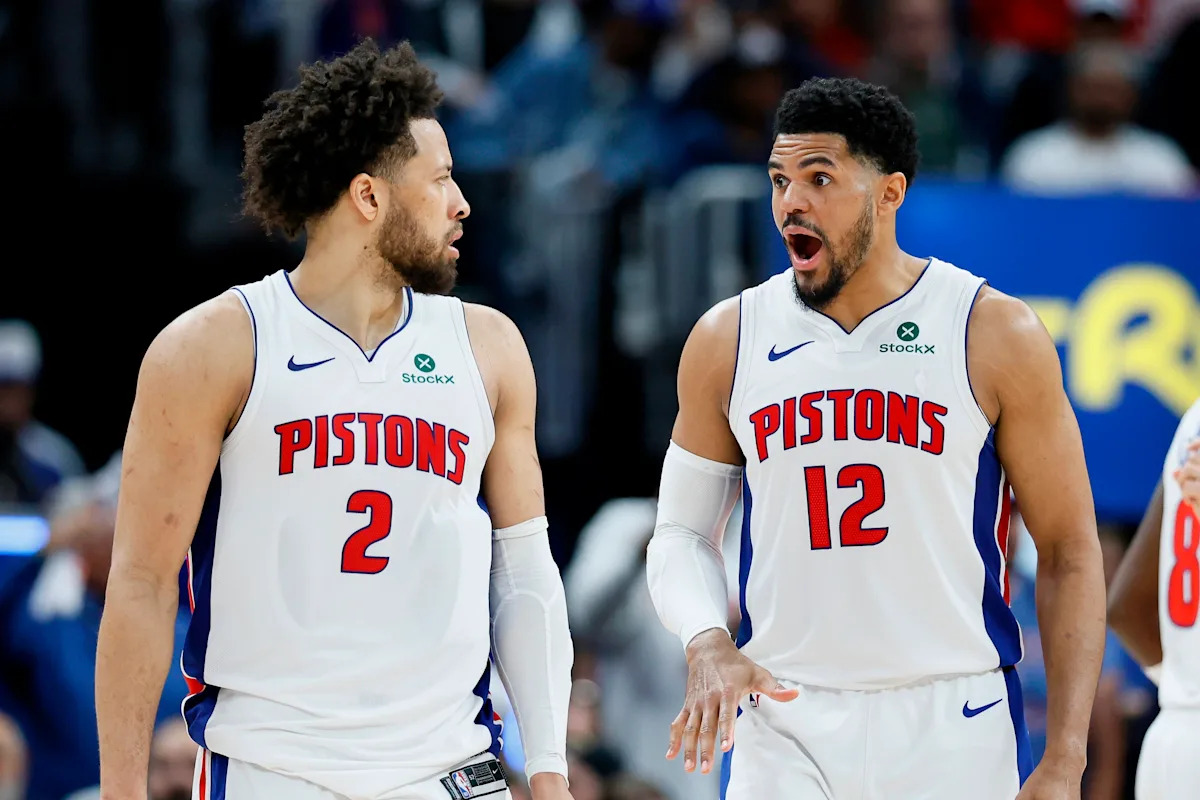
The Detroit Pistons have engineered a high-leverage recovery against the Orlando Magic, overcoming a 3-1 deficit to force a deciding contest on their home floor. This trajectory aligns with the franchise’s 2003 precedent, reinforcing Detroit’s historical capacity for late-series adjustments. The momentum shift was solidified in Game 6, where the Pistons leveraged a 35-5 run to erase a 24-point second-half deficit.
Orlando’s collapse—marked by 23 consecutive missed field goals—serves as a case study in offensive paralysis under extreme defensive pressure. This record-setting drought exposed structural vulnerabilities in the Magic’s half-court execution. Heading into Sunday, the Pistons possess significant psychological leverage, while Orlando must address the tactical breakdown that neutralized their perimeter scoring during the Game 6 pivot.
Institutional Pedigree: The Celtics-Sixers Competitive Moat
The Boston Celtics enter their Saturday elimination match against the Philadelphia 76ers backed by a formidable institutional history. With 37 Game 7 appearances and a 73% win rate (27 victories), the Celtics’ organizational experience functions as a competitive moat. This pedigree is bolstered by Jayson Tatum’s historical high-variance performance, specifically his 51-point Game 7 ceiling established in 2023.
Philadelphia’s strategic challenge lies in mitigating this individual variance while navigating the fatigue of a physical seven-game series. The scheduling provides the victor a marginal recovery window, yet the looming Tuesday start for the semifinals remains a critical logistical constraint. Efficiency in the closeout is paramount, as the physiological toll of Game 7 often manifests as a performance deficit in the opening game of the following round.
Market Valuation and the Cavaliers-Raptors Stalemate
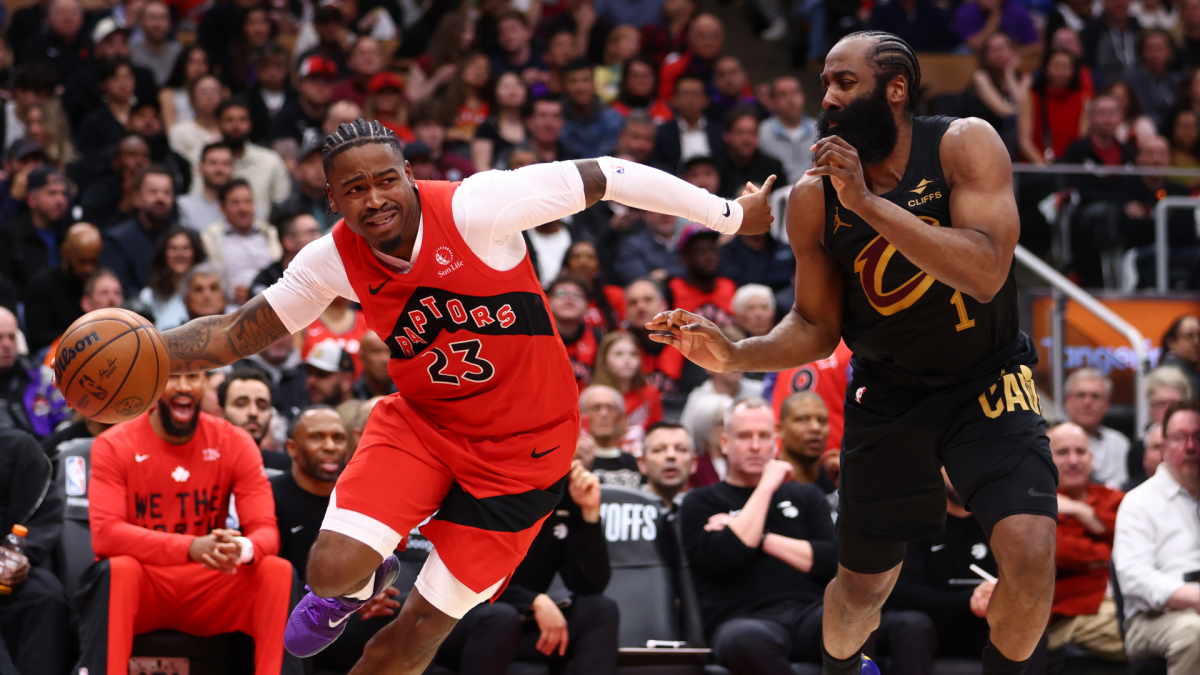
The Cleveland Cavaliers and Toronto Raptors occupy the Sunday primetime slot, a designation reflecting the high competitive quality and tactical depth of the series. Neither roster has established a decisive advantage, leading to a stalemate that has maximized broadcast revenue and viewership metrics. While historical data favors home teams in 74% of Game 7s, the recent decade-long trend of road-winner consistency introduces significant risk for Cleveland.
For Toronto, a road victory would disrupt the established conference hierarchy and alter the franchise’s financial trajectory regarding offseason planning. The winner faces an immediate turnaround, with the semifinals beginning Tuesday. This compression favors organizations with robust medical infrastructures and deep rotations capable of sustaining high-intensity output with minimal rest.
Systemic Consequences for the NBA Ecosystem
The surge to three Game 7s provides a substantial boost to the league’s commercial partners, compensating for the shorter series observed in the previous cycle. However, the operational bottleneck created by the Tuesday start for the semifinals places immense pressure on front offices and coaching staffs. The ability to pivot from the emotional intensity of an elimination game to the scouting requirements of a new opponent will define the Eastern Conference representative in the 2026 NBA Finals.