Divisional Architecture and Strategic Positioning
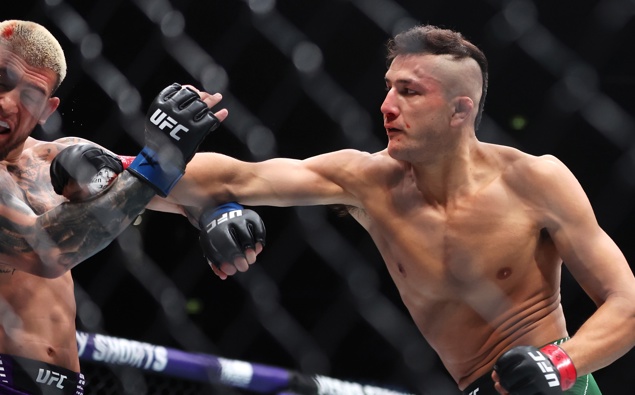
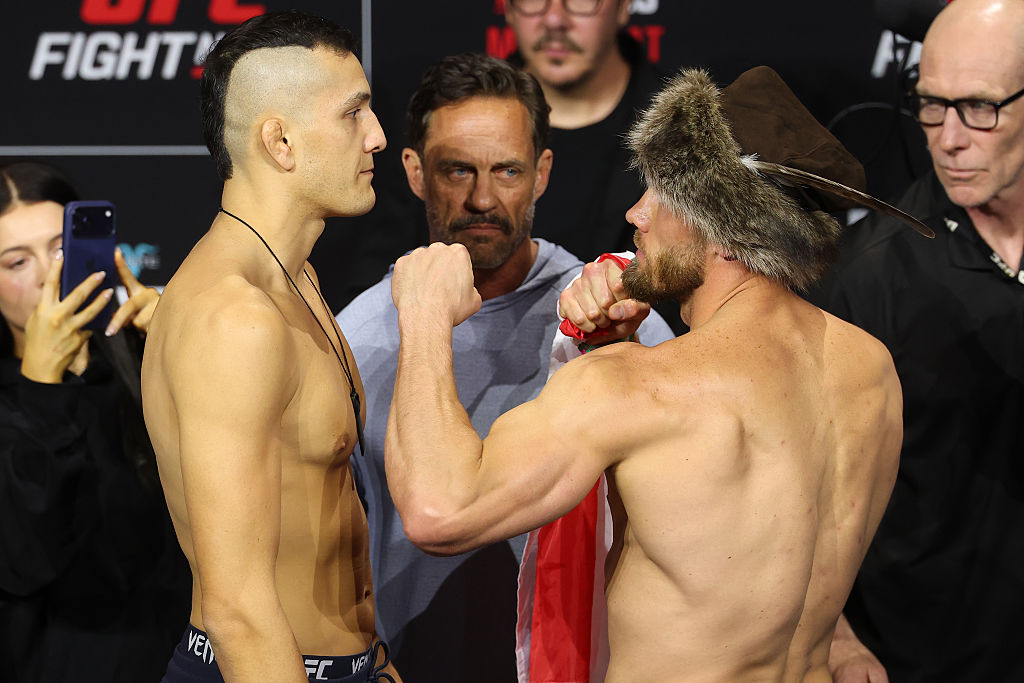
The middleweight encounter between Cam Rowston and Robert Bryczek at UFC Perth functions as a critical diagnostic for the 185-pound division’s developmental tier. Entering as a -170 market favorite, Rowston’s valuation reflects a synthesis of high-yield finishing mechanics and the institutional momentum of the City Kickboxing (CKB) stable. This matchup validates the UFC’s Dana White’s Contender Series (DWCS) as a high-fidelity talent filter, emphasizing operational resilience over linear win-loss records.
The City Kickboxing Institutional Ecosystem
Rowston’s integration into CKB represents a significant structural advantage. The gym’s concentration of elite talent on the Perth card facilitates a centralized training economy, reducing individual camp overhead while maximizing tactical preparation. His current six-fight winning streak suggests a successful calibration of technical output to the UFC’s high-pressure environment. By positioning CKB athletes in high-visibility slots, the promotion leverages regional brand equity to optimize commercial exposure across Australasia.
Operational Reliability and Performance Metrics
Rowston’s short-notice debut in late 2025 served as a proof-of-concept for his professional durability. Securing a first-round TKO against Andre Petroski under adverse logistical conditions established a baseline of reliability that the UFC has since capitalized upon. This momentum was sustained via a second-round stoppage of Cody Brundage at UFC 325, reinforcing Rowston’s leverage in contract negotiations and his status as a high-frequency finisher.
Market Sentiment and Betting Volatility
The betting interval—Rowston at -170 vs. Bryczek at +142—indicates substantial market confidence in the Australian’s ability to dictate tactical pacing. With the ‘Under’ significantly juiced at -245, financial markets are pricing in an 85% probability of a non-decision outcome. This sentiment is anchored by Rowston’s 93% finishing rate, a statistical profile that aligns with the UFC’s preference for aggressive, broadcast-friendly combatants who drive regional engagement.
The Bryczek Benchmark: Evaluating Veteran Resistance
Robert Bryczek represents a formidable obstacle, characterized by veteran resistance and striking efficacy. His recent knockout of Brad Tavares provides a calibrated benchmark for measuring Rowston’s defensive shell. With 13 finishes across an 18-6 record, Bryczek possesses the offensive parity required to disrupt Rowston’s undefeated UFC trajectory. The strategic core of this bout hinges on Rowston’s ability to navigate Bryczek’s reach and counter-striking proficiency.
Economic Impact and Media Distribution
Utilizing Paramount+ and UFC Fight Pass for distribution underscores a shift toward a direct-to-consumer media model, bypassing linear constraints to maximize regional penetration. The inclusion of localized talent like Rowston serves as a primary driver for ticket sales and sports tourism in Perth. This synergy between athlete performance and regional event planning is fundamental to the UFC’s global scaling strategy in high-consumption markets.
Conclusion: Trajectory Toward the Top 15
A victory in Perth would likely transition Rowston from a high-ceiling prospect to a ranked contender. His stated objective of entering the Top 15 within a calendar year requires the technical maturity shown in his transition from a DWCS athlete to a main-card anchor. As the UFC continues its regional expansion, Rowston’s path exemplifies the iterative recruitment model that prioritizes long-term professional durability and high-impact finishing capability.