Celebrity Visibility Meets Routine Traffic Enforcement
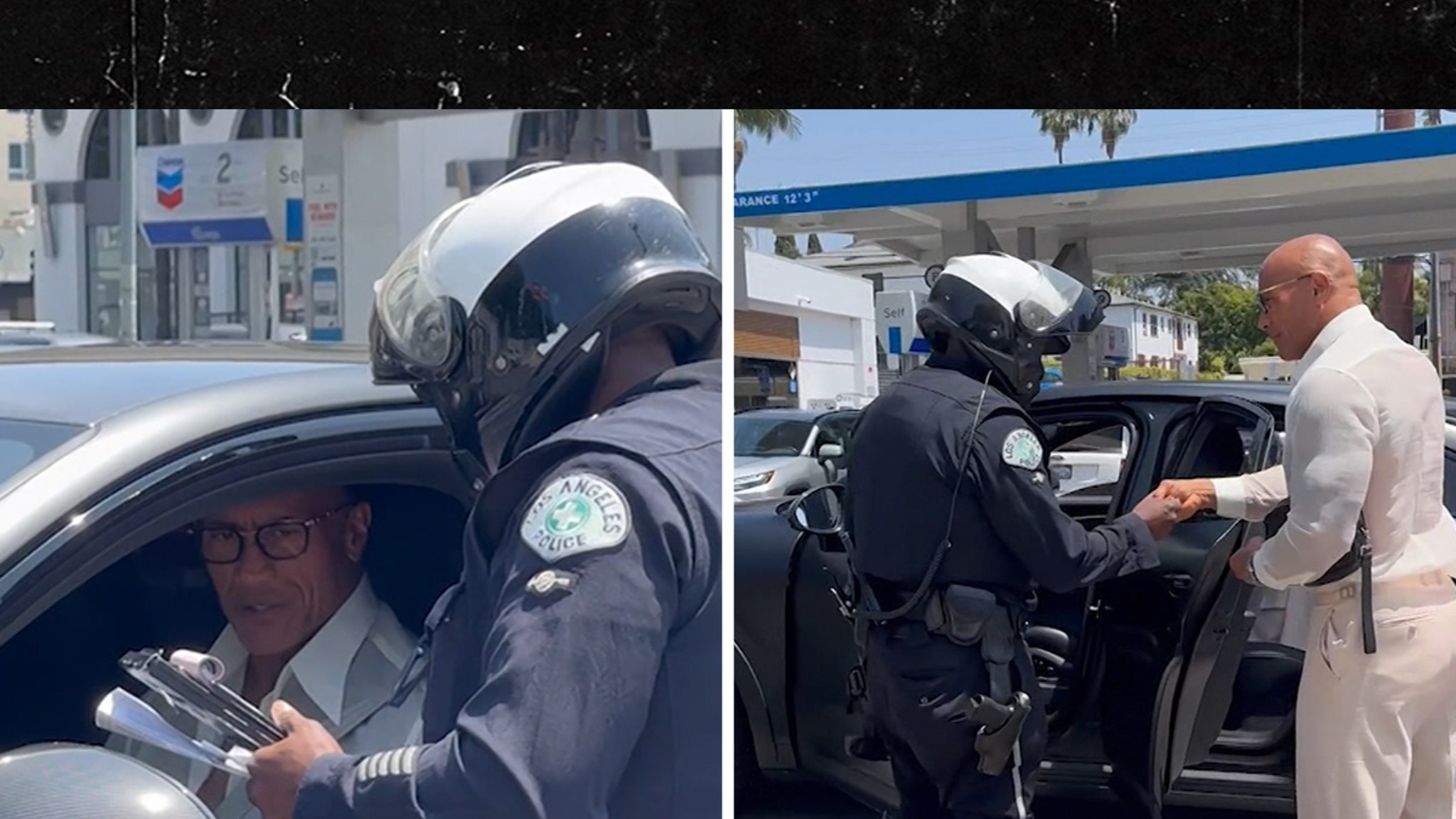
Dwayne ‘The Rock’ Johnson’s recent traffic stop in Los Angeles, reportedly for excessively tinted windows, underscores the impartial application of California’s vehicle code, even for high-profile individuals. The incident, occurring post-Hollywood Walk of Fame event, highlights how routine law enforcement encounters can gain public attention when involving celebrities, transforming ordinary stops into notable events.
The specific infraction, violation of California Vehicle Code Section 26708, pertains to window tinting regulations. This law mandates precise Visible Light Transmission (VLT) percentages, particularly for front side windows (often requiring over 70% VLT), to ensure driver visibility and road safety. Non-compliance can lead to citations and requirements for correction, regardless of the driver’s public profile.
Operational and Strategic Enforcement Imperatives
For law enforcement in Los Angeles, consistent enforcement of traffic regulations, including window tint laws, serves dual operational and strategic purposes. Operationally, it reinforces equal application of the law, deters violations, and promotes road safety by ensuring clear driver visibility. Stops are typically initiated based on observable infractions, aligning with protocols that minimize discretionary bias.
Strategically, uniform enforcement upholds public trust and reinforces the legitimacy of law enforcement actions. Impartiality in interactions, even with celebrities like Johnson, can foster positive public-police relations. His reported calm and compliant demeanor during the stop further illustrates professional conduct in routine encounters.
Automotive Market and Regulatory Implications
While a traffic citation holds negligible financial impact for a public figure of Johnson’s stature, the underlying regulations have significant implications for the automotive aftermarket. Manufacturers and installers of window tint films must meticulously adhere to state-specific VLT laws to ensure their products do not facilitate non-compliance. This necessitates a deep understanding of diverse market regulations, influencing product development and sales strategies within the industry.
The luxury automotive segment, frequently featuring advanced customization like window tinting, is also affected. Consistent enforcement ensures that even high-end vehicles must meet public safety standards, balancing aesthetic desires with legal mandates. This regulatory framework shapes both consumer choices and the operational parameters for aftermarket service providers.
Media Scrutiny and Public Perception
The public nature of Dwayne Johnson’s traffic stop inevitably garners significant media attention. While the infraction itself poses no reputational risk to Johnson, it exemplifies the constant public scrutiny celebrities endure. For law enforcement, such incidents emphasize the critical importance of procedural adherence and professional conduct during all public interactions.
Media coverage of these events can also serve an indirect educational function, informing the public about specific traffic laws and enforcement practices. Reporting on the details of the stop, including the cited violation and the individual’s response, provides practical context for regulations that all drivers may encounter, fostering broader awareness of vehicle codes.
Industry Positioning and Compliance Reinforcement
The consistent application of window tint regulations, as highlighted by this incident, reinforces the necessity of compliance across the automotive industry. This includes manufacturers, aftermarket suppliers, and vehicle owners. For the industry, it means prioritizing adherence to safety and visibility standards in vehicle design and accessory offerings, potentially influencing product development timelines and feature marketing.
Moreover, the public nature of such stops serves as a tangible reminder to all drivers about the importance of understanding and obeying local traffic laws. This ongoing discourse, amplified by media reporting, contributes to a more robust culture of road safety and regulatory awareness. The incident, therefore, transcends a single event, integrating into a continuous cycle of enforcement, compliance, and public dialogue surrounding traffic regulations.