Operational Oversight in High-Stakes Diplomacy
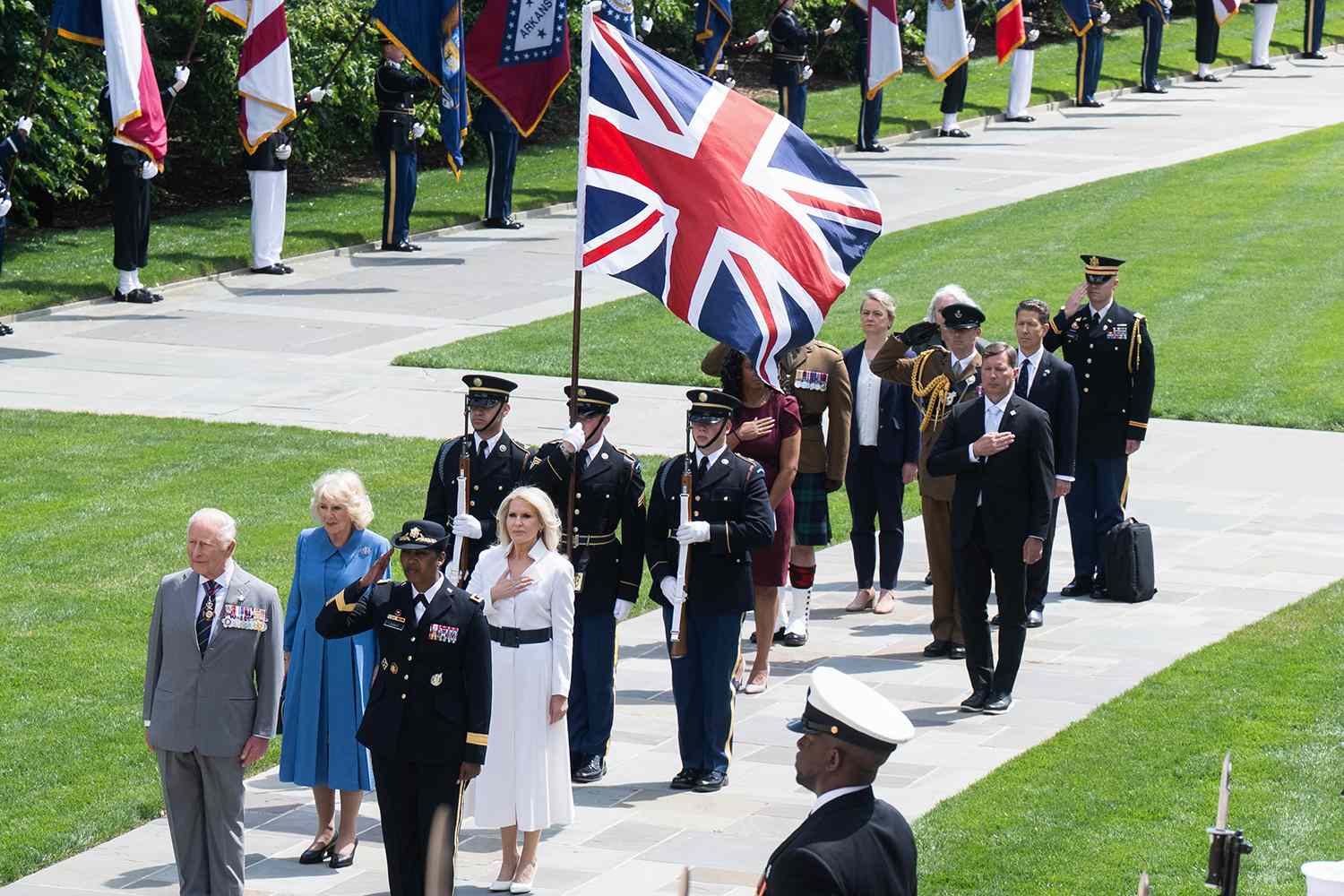
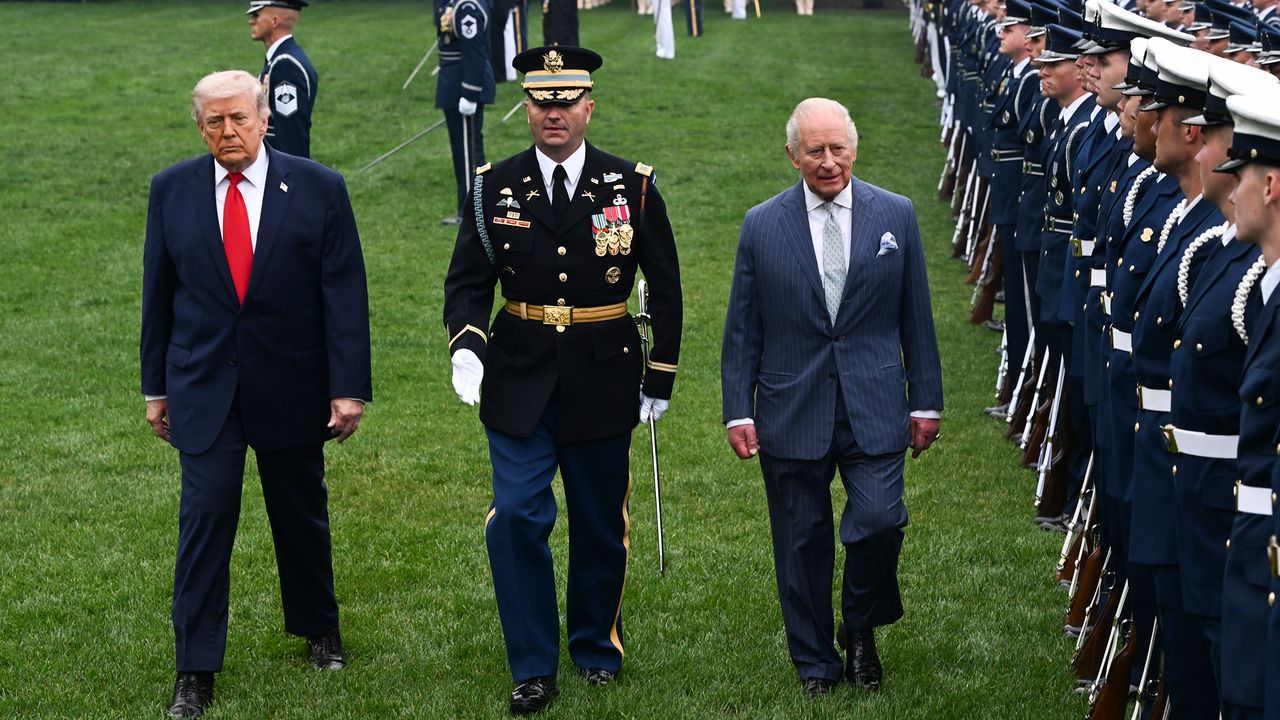
The state visit of King Charles III and Queen Camilla—intended to commemorate the nation’s semiquincentennial—was marred by significant ceremonial oversights. Most notably, the Union Jack was displayed in an inverted position at Arlington National Cemetery. This follows an earlier logistical failure in Washington, D.C., where Australian flags were mistakenly displayed in anticipation of the British delegation. These consecutive errors indicate a critical breakdown in oversight mechanisms managed by the Department of State and municipal authorities.
Institutional Implications of Protocol Breaches
In international relations, symbolic accuracy acts as a foundational metric of state respect. The inversion of a national flag in a military context is formally recognized as a signal of distress, amplifying the severity of the oversight. Such recurrences suggest a lack of inter-agency alignment, raising concerns regarding the quality control protocols governing high-level diplomatic events.
Strategic Context and Execution
The visit occurred amidst significant logistical stressors at the White House, including extensive infrastructure projects. The juxtaposition of construction noise during the South Lawn welcome ceremony and the subsequent flag gaffes shifted the narrative focus from the visit’s strategic objectives to host-nation administrative competency. This creates an unnecessary reputational risk, complicating the optics of subsequent international summits.
Systemic Challenges in Diplomatic Logistics
The planning framework for this visit was established well before the 2024 election cycle, yet the implementation phase lacked the required continuity. Reliance on decentralized teams for site preparation requires a centralized verification authority that is currently absent or under-prioritized. The failure to vet visual identifiers at high-visibility sites like Arlington suggests that existing check-and-balance layers are ineffective.
Strategic Risk Management
State visits serve as instruments of soft power, where ceremonial precision directly correlates with the perceived strength of bilateral ties. By failing to maintain protocol standards, the administration inadvertently diluted the visit’s strategic leverage, providing political opponents with tangible evidence to characterize the executive branch as disorganized. Future state visits will likely require a dedicated protocol liaison to oversee all physical displays and minimize the risk of such administrative vulnerabilities.