Market Disruption: Legacy IP’s Financial Dominance Redefined
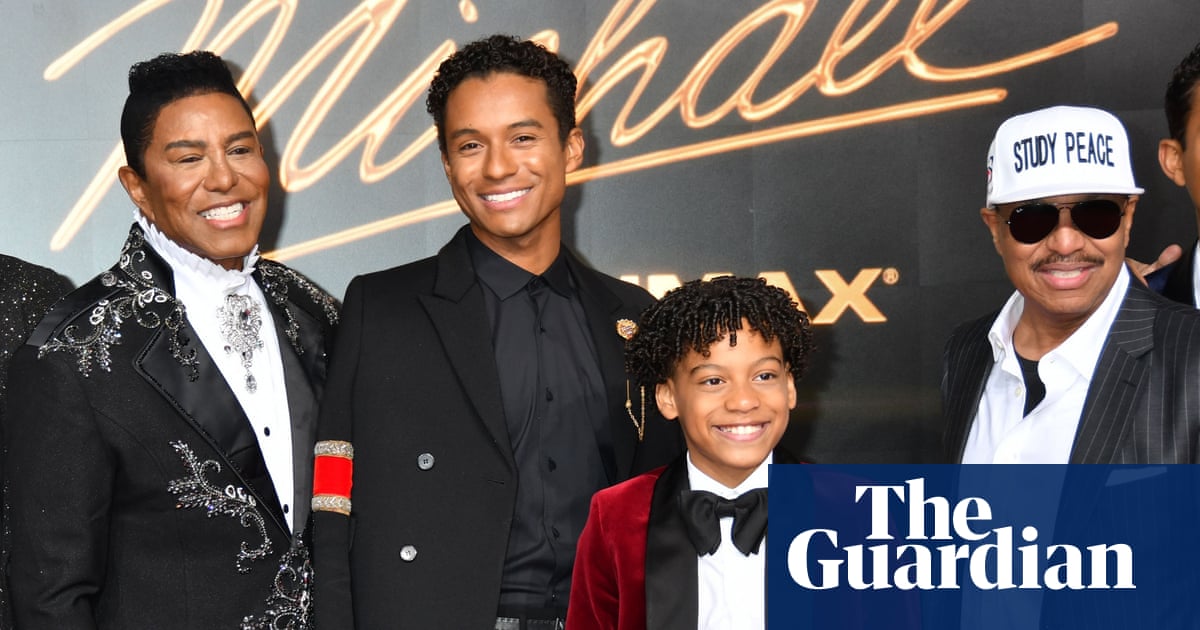
The commercial performance of the Michael Jackson biopic, ‘Michael,’ represents a significant recalibration of the biographical film genre’s earning potential. Achieving the largest opening weekend for any biopic in cinematic history, the production transcends mere entertainment, acting as a high-leverage financial instrument for the Jackson Estate and its stakeholders.
This record-breaking debut, outperforming 2023’s critical darling ‘Oppenheimer,’ signals a pronounced shift in consumer behavior. It underscores that the established brand equity of a global pop icon can command superior market valuation over traditional prestige historical dramas. The ‘King of Pop’ brand demonstrates an enduring, unique cultural capital readily convertible into immediate liquidity, even decades after the artist’s peak career.
The film’s success initiates a cascading effect across the entertainment industry, likely accelerating the development of similarly high-budget projects focused on complex historical figures. For studios, the ‘Michael’ model validates the premise that massive fan engagement can mitigate financial risks often associated with critical disapproval or controversial subject matter.
Strategic Chasm: Critic Devaluation vs. Unprecedented Audience Loyalty
The stark disparity between the film’s 38% Rotten Tomatoes critics’ score and its 97% audience score highlights a fundamental disconnect in cultural product valuation. While critics like Peter Bradshaw may find the work ‘bland and bowdlerized,’ the consumer market’s fervent response suggests traditional critical metrics are increasingly peripheral to the commercial success of legacy-driven media.
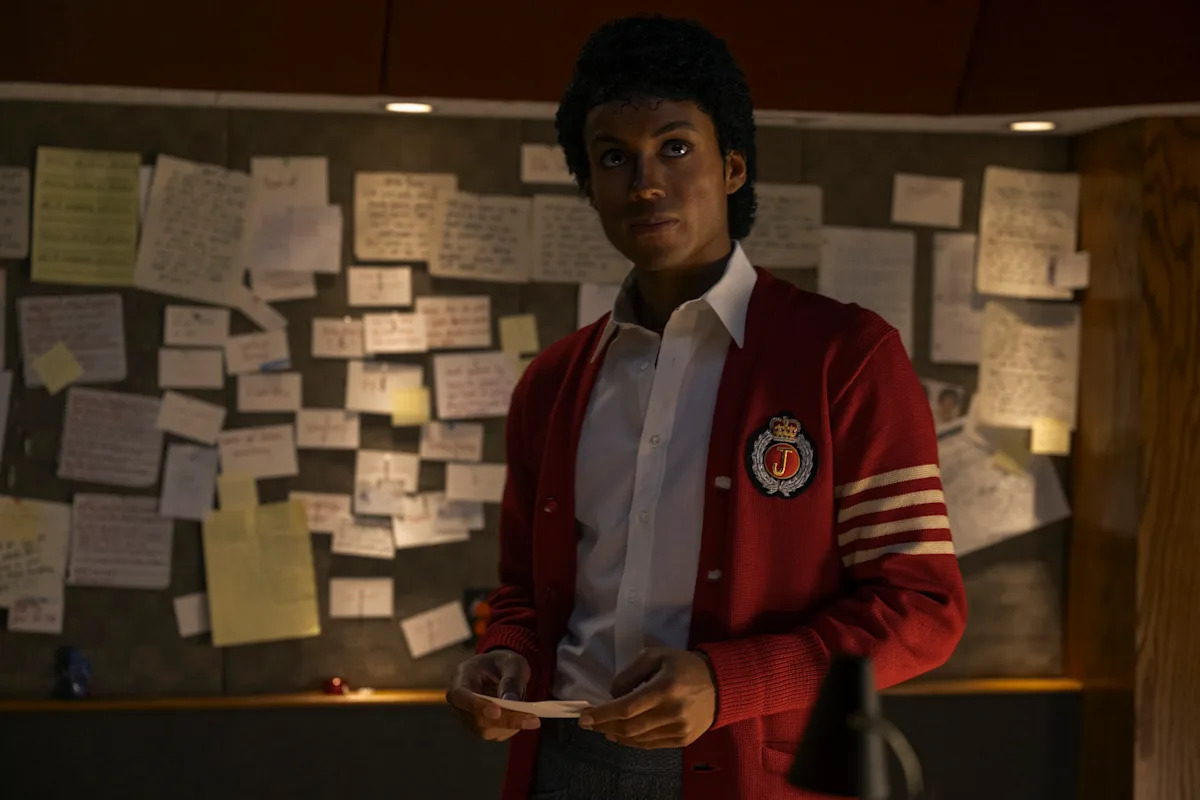
This divergence points to a deliberate strategic choice by filmmakers to prioritize fan satisfaction and brand preservation over artistic complexity or deep investigative narrative. By centering on Jackson’s iconic dance moves and vocal prowess, the production leverages the visceral, emotional connection fans possess with the music, effectively sidestepping the ‘frustratingly shallow’ narrative structure noted by professional reviewers.
The overwhelmingly high audience score functions as a robust defensive mechanism for the film’s reputation, fostering a self-sustaining cycle of repeat viewings and organic social media amplification. For the industry, this confirms the power of a devoted fanbase as a primary marketing engine, capable of bypassing institutional gatekeepers and driving record-breaking box office returns through sheer volume of engagement.
Operational Sanitization: Brand Preservation Through Narrative Control
The strategic decision to omit or minimize darker aspects of Jackson’s history is paramount for a project engineered for maximum global reach and the safeguarding of the Jackson Estate’s long-term asset value. A more critical or overtly investigative depiction would invariably introduce legal and reputational risks, potentially jeopardizing distribution deals and alienating core demographics.
By presenting a ‘profound depiction’ that carefully navigates the most polarizing elements of the artist’s life, the film functions as a sophisticated rebranding tool. This approach ensures the music remains the undeniable centerpiece, thereby protecting the airwaves and streaming playlists where Jackson’s songs remain a constant, generating substantial and consistent royalty streams for the estate.
The ‘bowdlerized’ nature of the film, as noted by critics, represents a calculated trade-off between historical fidelity and commercial viability. In the high-stakes arena of intellectual property management, preserving a marketable image to support secondary revenue streams—such as merchandise, potential sequels, and renewed interest in the artist’s back catalog—is often the primary objective.
Institutional Exposure and Evolving Legal Context
Despite its commercial triumph, the film operates within a complex landscape of ongoing legal and institutional scrutiny. While Jackson was acquitted in a 2005 criminal trial and settled a 1993 civil case, the source notes that new civil lawsuits alleging abuse continue to emerge and progress through the judicial system.
The film’s release and subsequent box office success do not exist in a vacuum; they actively engage with these legal realities by shaping public perception during periods of active litigation. This creates a dual-track narrative where the cinematic ‘King of Pop’ contends with the version of the artist presented in courtrooms, illustrating the potent influence of media in molding the broader cultural and institutional environment.
The mention of the Cascio family and a potential 2026 timeframe suggests that the institutional narrative surrounding Jackson’s legacy remains highly volatile and far from settled. Stakeholders must navigate this uncertainty, balancing the immediate financial gains of a blockbuster film against the potential for future legal developments to significantly alter the public’s understanding of the artist’s personal life.
Downstream Effects: Transforming the Media Ecosystem and Fan Engagement
Phenomena such as fans dancing in theater aisles and the widespread circulation of screening videos demonstrate an experiential level of engagement that profoundly transcends traditional movie-going. This behavior transforms the cinema into a communal space for brand celebration, generating invaluable organic promotional content across digital platforms.
This paradigm shift in consumer interaction offers a potent blueprint for future biopics. The objective moves beyond simple storytelling to creating a participatory cultural event. Studios and distributors will undoubtedly dissect this engagement model to refine their marketing strategies, focusing on replicating similar levels of emotional investment for other legacy IP projects.
Furthermore, the increasing likelihood of a sequel signals the significant franchise-building potential inherent in biographical subjects. When a single film can surpass the opening weekend of an established director’s magnum opus, it signals to the market that individual lives, meticulously managed as brands, can sustain multi-part cinematic universes akin to fictional superhero franchises.
Structural Transformation: The Future of Legacy Management
The monumental success of ‘Michael’ signifies a structural transformation in how estates of deceased artists manage their intellectual and cultural assets. Moving beyond traditional reliance on music sales and licensing, the estate has leveraged a major motion picture to decisively reassert the artist’s dominance in the global cultural conversation.
This strategic approach effectively insulates the brand from polarizing forces by establishing a dominant, aspirational narrative that emphasizes professional achievements and groundbreaking contributions over personal controversies. Jackson’s unparalleled impact on music and his role in breaking racial barriers are positioned as the defining elements of his legacy, creating a robust framework for sustained commercial exploitation.
As the film continues its theatrical run, its performance will be closely monitored as a critical bellwether for the viability of other ‘complicated’ star biopics. The demonstrated ability to achieve record-breaking success while navigating significant historical controversies suggests the market possesses a high tolerance for sanitized narratives, provided they are executed with exceptional production value and cater effectively to established, passionate fan bases.
Strategic Implications for Global Distribution and Market Resilience
Michael Jackson’s universal appeal—his iconic dance moves and distinctive voice—transcends cultural and linguistic barriers that might impede other biographical films. This inherent global accessibility is a primary driver of its record-breaking opening, tapping into a pre-existing, decades-long global infrastructure of dedicated fans.
For international distributors, ‘Michael’ represents a low-risk, high-reward asset poised for consistent performance across diverse markets. Its emphasis on performance and music over dialogue-heavy historical exposition renders it an ideal export, further cementing Jackson’s status as an enduring fixture in the global entertainment landscape.
The film’s sustained success also provides a crucial buffer against potential negative fallout from future legal developments. By establishing a massive, overwhelmingly positive cultural presence in the present, the estate and its partners fortify a reservoir of goodwill that can be drawn upon to counter future challenges to the artist’s reputation.
Conclusion: The Evolving Landscape of the Complicated Biopic
The Michael Jackson biopic has definitively proven that the market for legacy intellectual property is significantly more resilient and lucrative than previously estimated. By strategically prioritizing brand equity and fan engagement above critical acclaim, the production has established a new benchmark for the commercial execution of biographical cinema.
The strategic decisions enacted by the filmmakers and the Jackson Estate demonstrate a sophisticated understanding of contemporary media dynamics. Narrative control is achieved through high-impact visual storytelling and the mobilization of a devoted global audience. This potent combination ensures the ‘King of Pop’ remains a central, dominant figure in the entertainment industry, irrespective of the complexities surrounding his personal history.
Looking ahead to 2026 and beyond, the lessons derived from the unprecedented success of ‘Michael’ will undoubtedly shape the management strategies for other high-profile legacies. The film serves as irrefutable evidence that, with precise strategic alignment, even the most controversial stars can be transformed into record-breaking box office royalty, ensuring their cultural influence and economic impact endure for years to come.