
Macro-Structural Dynamics of the 3% Appreciation
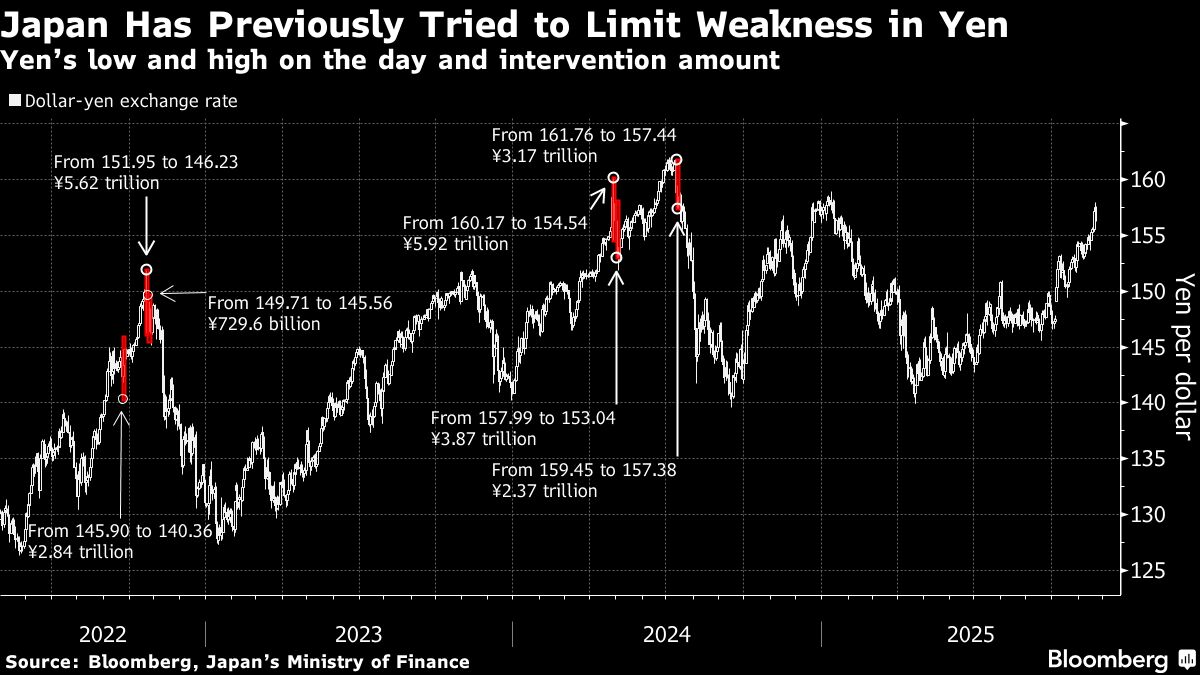
The Japanese Yen’s recent 3% rally against the US dollar marks a pivotal escalation in the Ministry of Finance’s (MoF) tactical repertoire. This move, the most aggressive single-session appreciation in nearly two years, transitioned from verbal suasion to direct liquidity absorption. The breach of the 155.57 technical threshold served as the operational trigger, signaling that the asymmetric risk of further depreciation had reached a systemic breaking point for Japanese policymakers.
Institutional Signaling and the ‘Final Warning’ Architecture
The intervention followed a calculated progression of ‘final warnings,’ a signaling mechanism intended to establish international legitimacy before deploying sovereign capital. By utilizing controlled leaks through the Nikkei and anonymous official sources, the MoF maximized psychological impact while maintaining strategic ambiguity. This approach forces algorithmic and discretionary traders to price in a ‘tail risk’ of further intervention, effectively raising the cost of maintaining short-Yen positions.
G7 Compliance and Trans-Pacific Diplomatic Coordination
Central to this maneuver was the prior notification of U.S. Treasury officials, adhering to Group of Seven (G7) frameworks that permit intervention only under conditions of ‘excessive volatility.’ This transparency is critical; it distinguishes Japan’s actions from competitive devaluation, framing the move as a macro-prudential effort to restore orderly market function. The tacit acceptance by the U.S. suggests a shared interest in stabilizing the Yen to prevent broader disruptions in the global Treasury market.
The Unwinding of Global Carry Trades
The velocity of the 3% surge was specifically designed to trigger stop-loss orders and margin calls among carry-trade participants. Borrowing in low-yielding Yen to fund higher-yielding assets relies on low realized volatility; by injecting sudden, high-magnitude volatility, Japanese authorities have effectively broken the low-risk narrative of the Yen-short trade. This deleveraging ripple effect extends beyond the FX market, potentially impacting dollar-denominated liquidity and global equity valuations.
Monetary-Fiscal Divergence and Long-Term Sustainability
While the intervention successfully established a temporary ceiling on USD/JPY, its longevity remains contingent on the alignment of Bank of Japan (BoJ) monetary policy with MoF fiscal objectives. Direct market action addresses the symptoms of currency weakness—speculative fervor—but does not resolve the underlying interest rate differentials. Stakeholders must now monitor for shifts in BoJ guidance, as sustained Yen strength requires a fundamental narrowing of the spread between the Fed and the BoJ.

Photo by happylism on Pixabay.