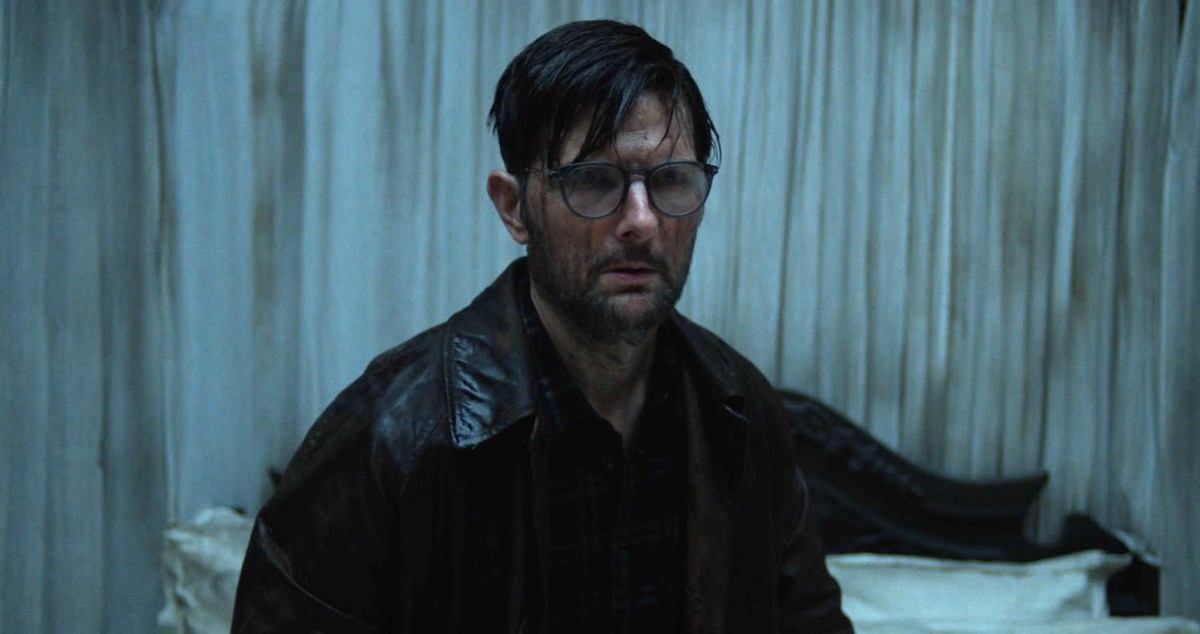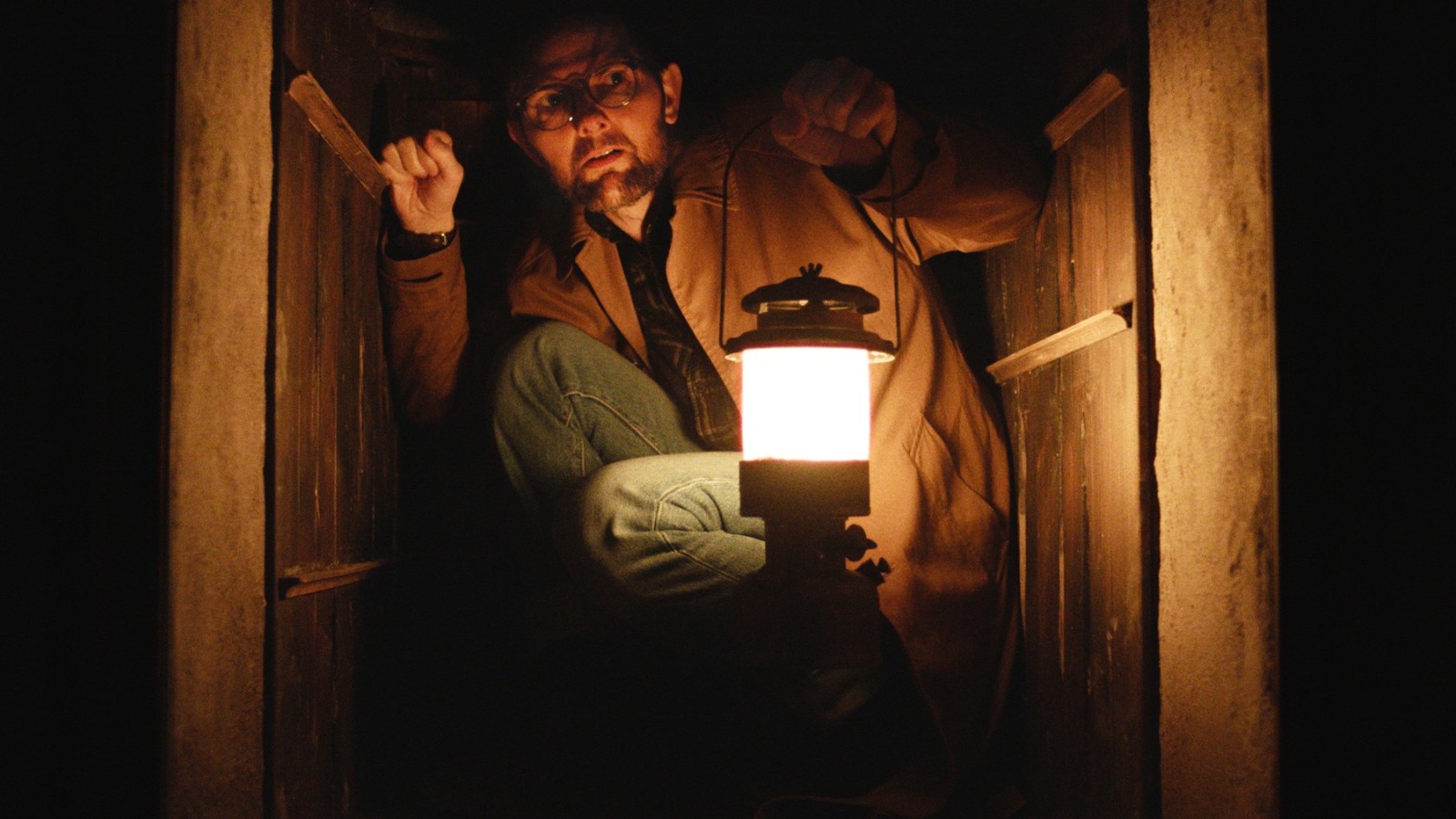
The casting of Adam Scott in Damian McCarthy’s Hokum represents a calculated synthesis of prestige television equity and the burgeoning market for high-concept folk horror. Scott, whose recent output is defined by the clinical, corporate dread of Severance, brings a distinctive brand of grounded vulnerability to the role of Ohm Bauman—a successful novelist ensnared by his own creative output. This alignment indicates a shift in how independent productions leverage recognizable domestic talent to anchor narratives that might otherwise be perceived as culturally niche or inaccessible to a global audience.
Industrial Utility: The ‘Accidental’ Genre Anchor
Scott’s professional trajectory—which he characterizes as an accidental foray into the macabre—serves as a case study in the evolving labor dynamics of the film industry. His 1996 debut in Hellraiser IV was a product of the operational realities of a working actor rather than a premeditated affinity for the genre. Paradoxically, this lack of initial intent has become a competitive advantage; Scott approaches genre material without the stylistic baggage often associated with horror veterans, providing a bridge for audiences who prioritize sophisticated storytelling over traditional tropes.
This crossover appeal functions as a critical de-risking mechanism for mid-budget productions. By prioritizing psychological depth, Scott signals a ‘seal of quality’ to international distributors, distinguishing Hokum from visceral shock cinema. Furthermore, the transition from the 80s-inspired nostalgia of Krampus to the complex metatextual dread of Severance demonstrates a versatile performance range that stabilizes the financial volatility of genre-bending projects. Investors increasingly rely on such actors to provide a consistent emotional core, ensuring that abstract folklore remains tethered to a relatable ROI.
Metatextual Architecture and Narrative Subversion
Hokum utilizes a sophisticated narrative feint, opening with a historical preamble involving a conquistador and a child to establish the psychological stakes. This structural choice moves beyond the jump-scare economy to explore the inherent violence of the creative process. The imagery of a child’s skull utilized as a blunt instrument is not merely a shock tactic; it is a strategic establishment of the protagonist’s internal darkness. As Ohm Bauman, Scott embodies the archetype of the tormented scribe whose professional success is built upon the exploitation of his own psyche.
McCarthy’s direction subverts the ‘dark and stormy night’ trope by filtering it through the lens of Irish mythology. By situating a modern, successful author within a landscape steeped in ancient myth, the film generates friction between contemporary intellectualism and primal fears. This juxtaposition forces the audience to question the boundaries between Bauman’s Spanish warrior trilogy and his deteriorating reality, mirroring the real-world pressures of maintaining a creative brand under global scrutiny.
The Institutional Ascent of the Irish Film Sector
The production of Hokum, following the critical success of Oddity, highlights the rising institutional influence of the Irish film sector. Ireland has successfully positioned itself as a hub for folk horror, utilizing geographic landscapes and cultural heritage to produce high-value intellectual property. The decision to cast an American lead like Scott is a clear move toward global market integration, maintaining authentic cultural identity while securing North American distribution. This model of international co-production is vital for the survival of independent cinema, pooling resources and audiences across fragmented territories.
Psychological Depth as a Performance Lever
Scott’s approach to Ohm Bauman emphasizes internal friction over external spectacle. By focusing on emotional beats and character motivation, he avoids the overacting that occasionally plagues the genre. This restraint allows the supernatural elements to carry more weight, as they are contrasted against a grounded performance. Bauman’s struggle with his creation serves as a metaphor for the loss of control inherent in professional success, a theme particularly relevant in a modern ‘attention economy’ where professional and personal identities are increasingly blurred.
Ultimately, Hokum signals a maturation of the horror market. The demand for ‘elevated’ or ‘prestige’ horror has created a space for films that engage with historical and psychological themes. Success in this environment requires a combination of strong directorial vision, recognizable talent, and a unique cultural hook. As the boundaries between prestige drama and horror continue to dissolve, Hokum stands as a benchmark for the strategic integration of talent, culture, and narrative innovation.