The Strategic Integration of Celebrity Cameos
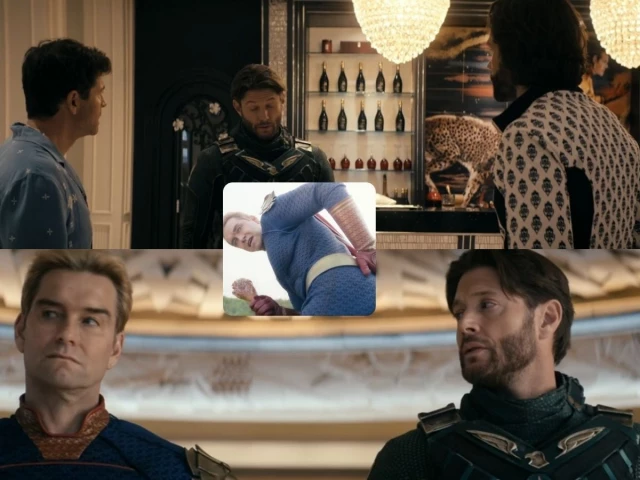
The fifth episode of The Boys Season 5 utilizes a dense sequence of high-profile cameos, including Kumail Nanjiani and Seth Rogen, to intensify the show’s cynical deconstruction of celebrity culture. By casting these figures as fictionalized versions of themselves, the narrative constructs a meta-textual layer that mirrors Vought International’s internal power dynamics.
This sequence serves a dual function: it illustrates the reach of Vought’s corporate apparatus while simultaneously critiquing the commodification of public figures. The inclusion of industry icons like Meryl Streep and Joaquin Phoenix within the dialogue highlights the friction between corporate control and cultural autonomy.
Operationalizing the Supernatural Reunion
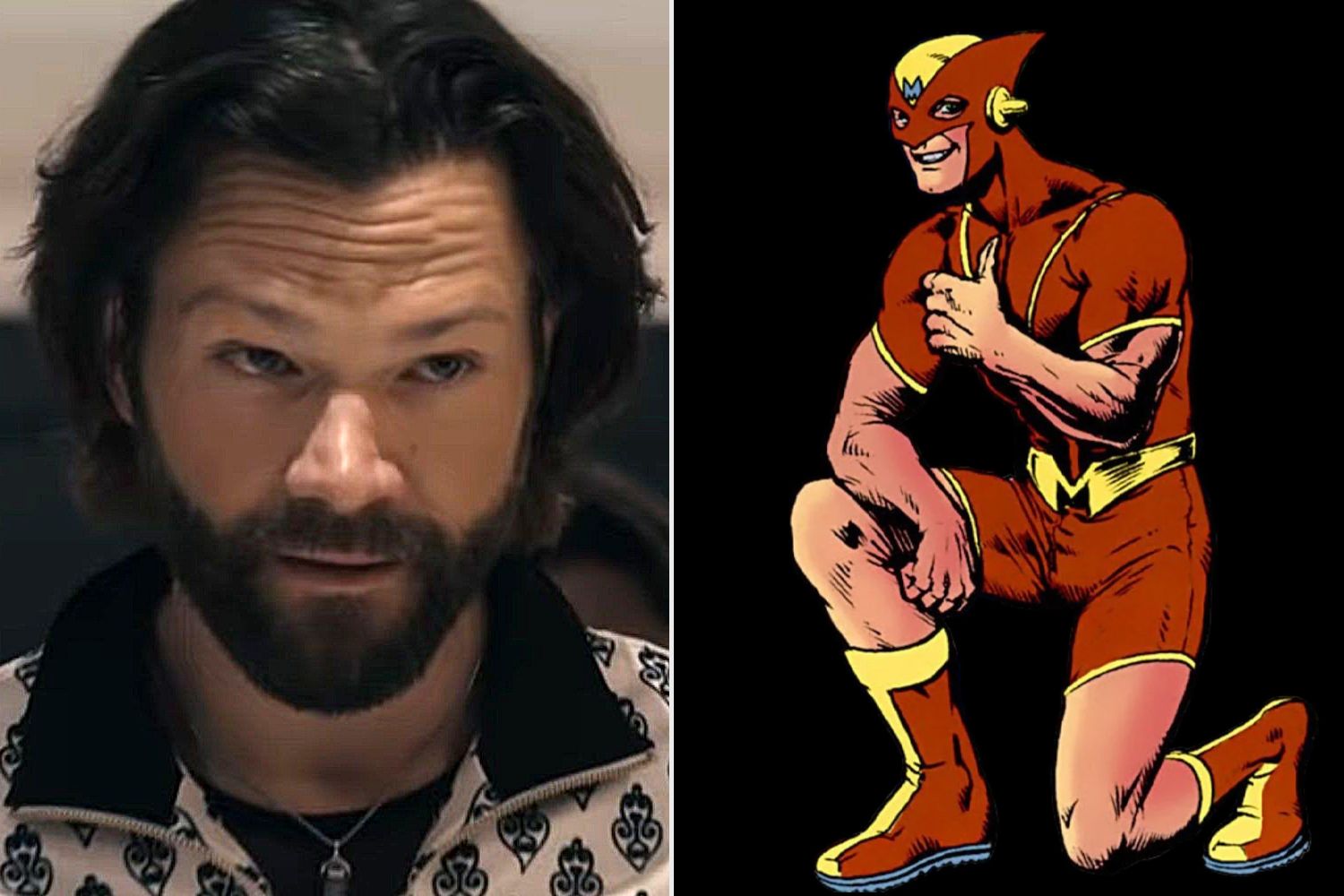
Jared Padalecki’s debut as Mister Marathon is a calculated narrative maneuver, leveraging established fan bases to deepen internal lore. Showrunner Eric Kripke uses this legacy casting not merely for a cameo, but to retrofit the history of The Seven. By establishing Padalecki’s character as the original speedster, the series emphasizes the cyclical and expendable nature of Vought’s heroes.
Narrative Fragmentation and Character Trajectories
The episode’s nonlinear, multi-perspective structure reflects a move toward complex, fragmented storytelling. By isolating individual experiences during a single day, the writers amplify character arcs, most notably Firecracker’s shift from performative zealot to institutional mouthpiece. This arc serves as a microcosm for the season’s broader themes, mapping the cost of total assimilation into Vought’s corporate environment.
Institutional Instability and Internal Conflict
The violent death of Adam Bourke at the hands of The Deep serves as a grim indicator of Vought’s internal volatility. This act of senseless brutality underscores the lack of oversight within the superhero collective. Furthermore, Homelander’s failure to recognize a cultural figure like Seth Rogen illustrates his increasing dissociation from the very institutions he dominates, marking a critical decline in his strategic awareness.
Strategic Implications and Media Critique
The fifth episode marks a pivotal transition in the franchise’s final act. By front-loading high-stakes character deaths and meta-narrative disruptions, the series signals a commitment to deconstructing its own established tropes. The recurring focus on real-world media outlets, such as The Atlantic, provides a grounding element that reinforces the show’s critique of the symbiotic relationship between corporate power and the press. As The Seven faces mounting instability, the show continues to leverage its history to heighten the stakes of its final, destructive resolution.