The Strategic Landscape of the California Gubernatorial Race
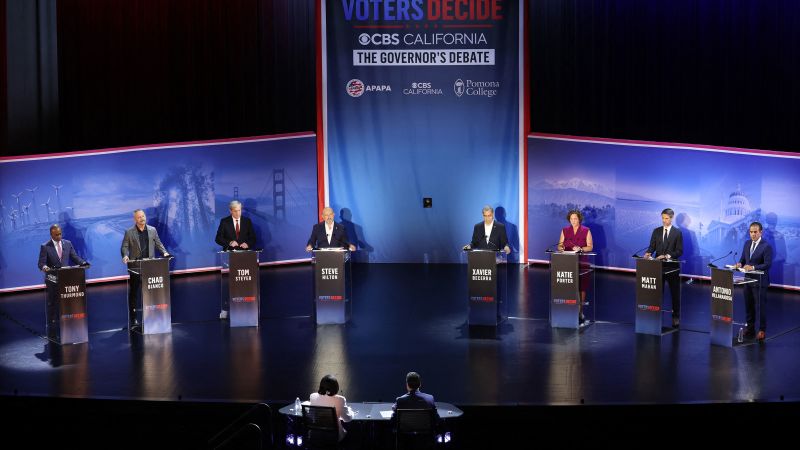
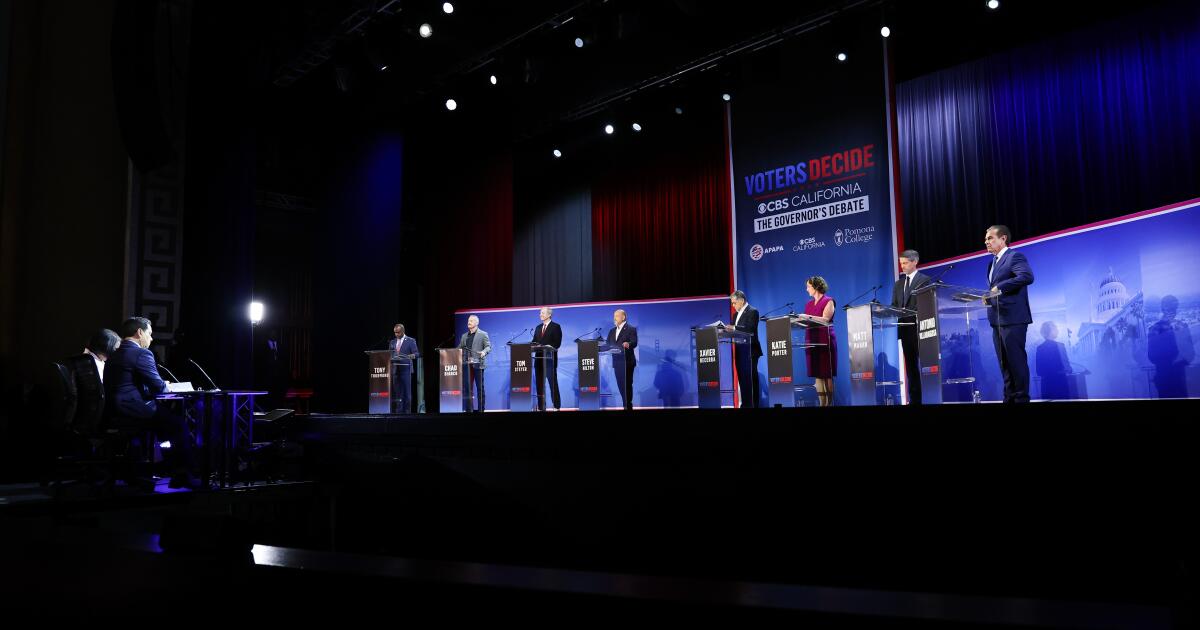
The recent Pomona College gubernatorial debate serves as a critical inflection point for the eight candidates vying for the California governorship. As the second of three scheduled debates, the event underscored the mounting pressure to consolidate support within an increasingly volatile electoral field.
The exit of former Representative Eric Swalwell has created a strategic power vacuum, forcing remaining candidates to recalibrate their messaging to capture his former voter base. This shift has escalated competition for moderate and progressive segments, necessitating rapid adjustments in coalition-building tactics.
Institutional Dynamics and Competitive Positioning
The field presents a stark contrast in governance experience. The primary cycle features administrative veterans such as Xavier Becerra, Tony Thurmond, and Antonio Villaraigosa, alongside private-sector figures like Tom Steyer and Mayor Matt Mahan. This diversity of professional background complicates traditional voter heuristics, as candidates struggle to define their specific value propositions to the Democratic base.
Conversely, the Republican ticket—featuring Steve Hilton and Sheriff Chad Bianco—is utilizing the debate stage to establish a distinct ideological contrast. For these candidates, the 90-minute forum served as a vital platform to differentiate their agendas from the Democratic majority, aiming to consolidate the conservative base while courting independent voters.
Financial Leverage and Media Strategy
The ascendancy of Xavier Becerra in recent polling has transformed him into a focal point for opponent criticism. This is evident in the increased deployment of targeted digital ad campaigns, exemplified by Tom Steyer’s aggressive spending. Such independent expenditures signify a move toward combative, resource-heavy strategies designed to disrupt momentum and test the resilience of front-runners under scrutiny.
Operational Challenges and Debate Performance
The high-density format, characterized by rapid-fire exchanges and frequent interruptions, functioned as a stress test for participant stability. Navigating these procedural hurdles requires a synthesis of complex policy platforms into punchy, voter-centric soundbites—an essential skill for maximizing limited airtime in a saturated media environment. For candidates, the primary objective is now to balance the demand for systemic reform with the fiscal constraints of state governance.
Analytical Synthesis
The current race is defined by significant volatility, exacerbated by an influx of private capital and a fragmented electorate. As the June 2 primary nears, the focus will transition toward base mobilization and the consolidation of brand identity. The successful candidate will likely be the one who best navigates this institutional vetting process, effectively distilling complex policy proposals into a coherent vision that resonates with a broad and demanding California electorate.