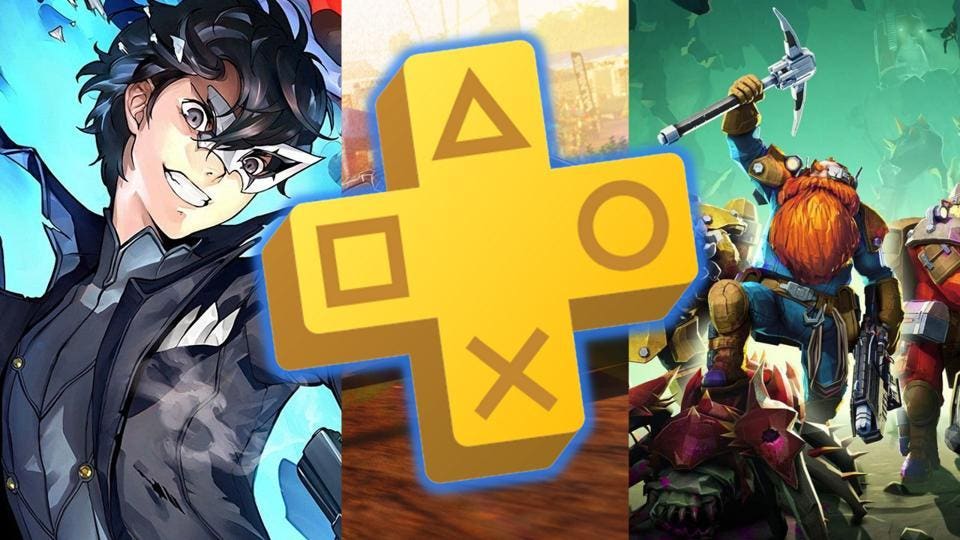
Sony’s May 2026 PlayStation Plus: A Deep Dive into Content & IP Strategy
The May 2026 content refresh for PlayStation Plus’s Essential, Extra, and Premium tiers offers critical insights into Sony’s evolving strategy for subscriber retention and acquisition amidst a fiercely competitive digital entertainment landscape. This monthly cycle is not merely a content drop, but a precisely calibrated operational maneuver reflecting Sony’s strategic balancing act between content costs, IP leverage, and sustaining subscriber value.
Essential Tier: Strategic Value & Broad Appeal
The PlayStation Plus Essential lineup for May 2026, revealed on April 29 and live on May 5, anchors the service’s foundational value proposition. These monthly titles are critical for delivering immediate, tangible incentives to the broadest subscriber base, thereby driving consistent subscription renewals.
Examining prior 2026 Essential releases—such as Monster Hunter Rise (March), Subnautica: Below Zero (February), Need for Speed: Unbound (January), and Lords of the Fallen (April)—uncovers a deliberate genre diversification strategy. This approach, spanning action RPGs, survival adventures, and racing simulations, strategically maximizes perceived value across varied gamer demographics, ensuring wider appeal.
The inclusion of both established franchises and critically acclaimed, post-launch titles highlights Sony’s calculated balance between licensing costs and subscriber desire. This method cultivates a narrative of a “pretty good year for PS Plus subscribers so far,” a perception crucial for marketing efficacy and fostering loyalty in a saturated market. By leveraging the long tail of popular games, Sony optimizes its content acquisition ROI, ensuring sustained engagement without over-reliance on day-one releases.
Extra & Premium Tiers: Dynamic Catalog Management & IP Leverage
Differentiating from the Essential tier, Extra and Premium subscriptions grant access to an expansive, rotating game catalog, a core pillar of Sony’s content strategy. The imminent departure of Remedy Entertainment’s critically acclaimed 2019 sci-fi action-adventure, Control, by May 19, exemplifies this dynamic. Such removals are deliberate mechanisms to foster timely subscriber engagement, transforming titles into time-sensitive incentives that reinforce the value of immediate access and actively mitigate passive membership.
This rotational model efficiently manages licensing costs associated with a vast library, allowing for periodic content refreshes that keep the catalog vibrant and appealing. Control‘s trajectory—from a “Game of the Year contender” to a franchise with a sequel (Control Resonant) and a commercially disappointing spin-off (FBC: Firebreak)—illustrates the multi-faceted strategic value of IP within subscription services. Its PS Plus inclusion likely amplified brand visibility and fostered audience engagement for the broader franchise, serving Remedy Entertainment by extending its flagship title’s reach and potentially rekindling interest despite mixed ancillary project performance.
The Premium tier further enhances its unique value through the Classics Catalog, which welcomes the PS1 game Time Crisis in May. This strategic integration of legacy IP directly appeals to player nostalgia, demonstrating Sony’s commitment to preserving and monetizing its extensive historical library. This distinct offering caters to a specific demographic valuing retro gaming experiences, thereby fortifying the Premium tier’s differentiation and justifying its higher price point.
Operational Transparency & Market Dynamics
Sony’s meticulous scheduling for the PS Plus Essential lineup reveal on April 29, complete with global regional timings, underscores a commitment to operational transparency and consistent subscriber communication. This structured announcement aims to manage public relations and cultivate anticipation, yet it faces the persistent challenge of information security. The acknowledgment of potential leaks, a recurring pattern, highlights the digital entertainment sector’s vulnerability to unofficial disclosures. While leaks can generate early buzz, they risk disrupting carefully orchestrated marketing campaigns and diluting the impact of official reveals, necessitating agile PR responses.
The vibrant community engagement, exemplified by fan predictions for the upcoming lineup—including popular speculation around a ‘Ubisoft licensed title’—illustrates the significant role of grassroots anticipation in the modern gaming ecosystem. This organic market sentiment serves as an informal, yet valuable, barometer of player interest and potential content preferences, subtly influencing both brand perception and, indirectly, Sony’s future content curation strategies.
Competitive Landscape & Platform Fortification
Beyond the immediate PS Plus content, broader market signals inform Sony’s strategic calculus. The context of “Steam Controller price leaks as Steam Machine release date rumours gain momentum” serves as a crucial reminder of the pervasive competition from the PC gaming sector and other console ecosystems. This necessitates Sony’s subscription strategy to be agile, constantly adapting to evolving player preferences and technological advancements across the entire industry to maintain its competitive edge.
Concurrently, the implementation of “mandatory checks for all PS4 and PS5 users” underscores Sony’s unceasing commitment to platform integrity, security, and user experience. These operational necessities are foundational. A robust, trustworthy gaming environment is an indispensable prerequisite for the successful long-term viability and appeal of subscription services like PlayStation Plus, directly impacting subscriber confidence and ensuring the seamless delivery of digital content and its promised value.
Strategic Implications & Future Trajectories
Sony’s May 2026 PlayStation Plus strategy, integrating new monthly titles, a rotating catalog of acclaimed games, and legacy content, epitomizes a sophisticated multi-tiered approach. This design effectively caters to diverse subscriber segments while skillfully navigating the complex economics of content licensing and intellectual property management.
The perpetual rotation within Extra and Premium tiers, exemplified by Control‘s exit, is a calculated mechanism to invigorate engagement and refresh the subscription’s perceived value. This dynamic ensures an active, rather than passive, subscriber base, aligning with a proactive content lifecycle strategy.
Sony’s comprehensive IP management is further evident in the dual deployment of contemporary hits and iconic classics like Time Crisis. This strategy not only invests in current appeal but also capitalizes on its rich historical library, enhancing the unique value proposition of its subscription service, especially at premium price points.
In essence, the May 2026 PlayStation Plus lineup transcends a mere game list; it’s a profound manifestation of Sony’s continuous strategic balancing act. The company must meticulously weigh content acquisition expenditures against perceived subscriber value, deftly manage competitive pressures, and rigorously uphold platform integrity to secure the sustained growth and profitability of its crucial subscription ecosystem.