The Strategic Imperative of Performance
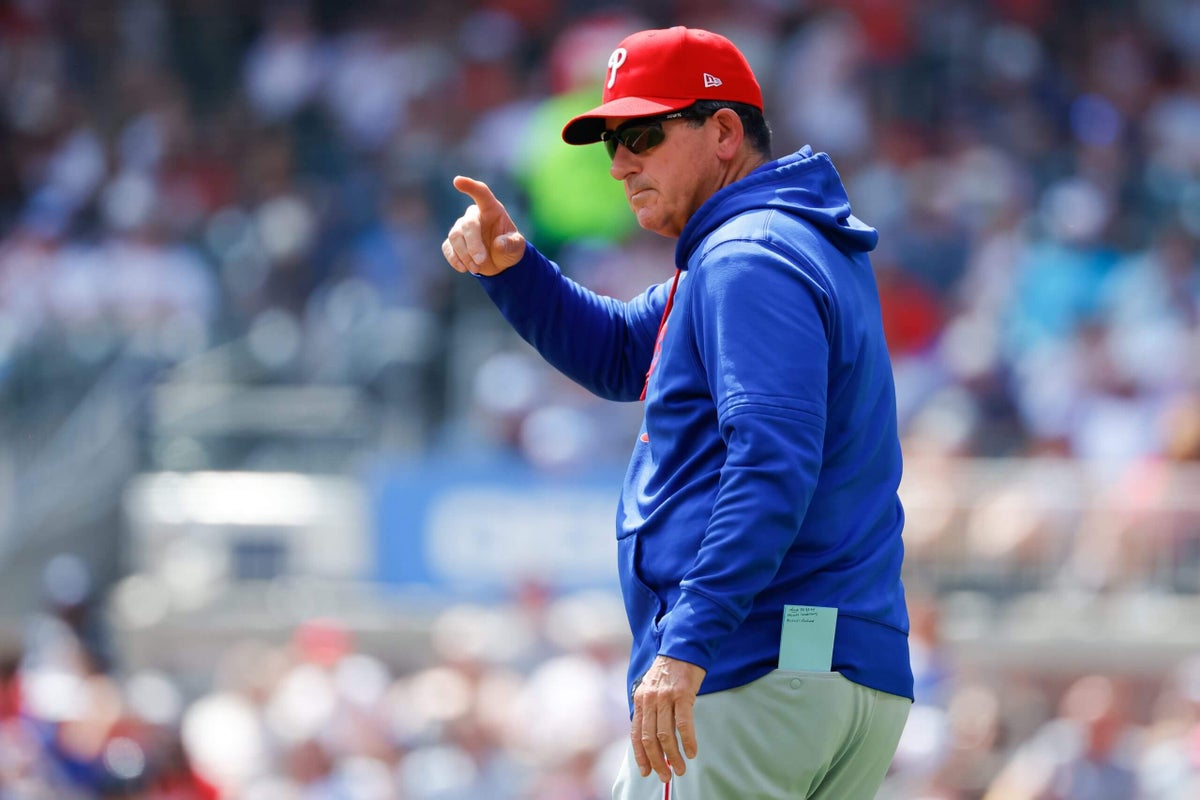
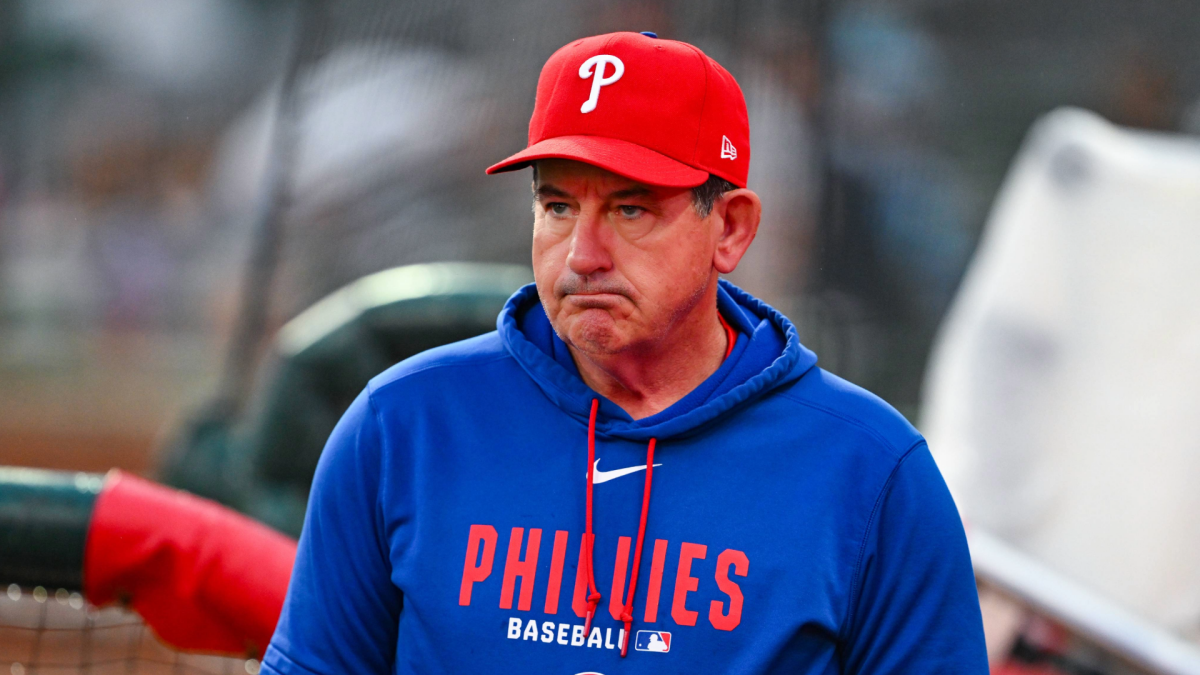
The Philadelphia Phillies’ decision to terminate manager Rob Thomson stems from acute organizational distress, underscored by a 9-19 record, the franchise’s worst start since 2017. Despite Thomson’s prior successes, including a 2022 National League pennant and consecutive division titles, the current competitive deficit necessitated a leadership change to halt market position erosion.
In professional sports, the manager is the primary executive accountable when substantial capital investment fails to yield on-field results. With the Phillies possessing MLB’s fifth-highest payroll, the widening chasm between financial outlay and competitive output created an untenable situation for ownership and the front office.
Institutional Oversight and Executive Intervention
The presence of front office executives in the visiting dugout at Truist Park shortly before Thomson’s dismissal signaled direct executive intervention. Dave Dombrowski’s deployment of scouts to assess team operations reflects a typical institutional response to sustained underperformance, aiming to identify root causes for a significant run differential.
This oversight intensifies the inherent tension between long-term strategic vision and immediate performance demands. A team failing to execute at a professional standard, evidenced by a collective .505 OPS against left-handed pitching, compels the front office to demonstrate decisive action to satisfy stakeholders and uphold the franchise’s competitive brand integrity.
Operational Deficiencies and Roster Structure
The Phillies’ inability to generate offense against left-handed starters, remaining winless in ten such contests, signifies a systemic operational failure extending beyond individual coaching adjustments. The frequent deployment of rookies and utility players in critical situations points to a critical depth issue, exacerbated by the ongoing losing streak.
This performance deficit is not an isolated statistical anomaly but a direct consequence of roster construction limitations requiring urgent organizational attention. The transition to interim manager Don Mattingly represents a tactical shift designed to stabilize team dynamics while the front office conducts a deeper evaluation of current player personnel strategy and underlying deficiencies.
The Economics of Managerial Accountability
Managerial turnover in MLB serves as a crucial mechanism for institutional recalibration during periods of financial underperformance. As the most visible and readily replaceable element of a team’s human capital, the manager’s dismissal often functions as a necessary signal to fans, sponsors, and investors that the organization is actively addressing its competitive decline.
Thomson’s tenure, despite its postseason achievements, could not withstand the pressure of a ten-game losing streak and the team’s subsequent descent to the bottom of the NL East. In an industry where revenue generation is intrinsically linked to postseason appearances and sustained competitive relevance, the financial cost of inaction frequently outweighs the expense of a leadership transition.
Market Repercussions and Strategic Reassessment
The Phillies now face the significant challenge of reversing a downward trajectory that has seen them fall more than ten games below .500 early in the season. The organization’s capacity to recover hinges on whether the identified roster issues are systemic flaws requiring a comprehensive rebuild or temporary performance dips amenable to leadership changes.
For the broader baseball industry, the Phillies’ situation offers a compelling case study on the inherent volatility of high-payroll franchises. The reliance on substantial financial investment necessitates consistent on-field output; failure to deliver often triggers profound institutional friction and the rapid dissolution of established coaching structures.
Systemic Implications of the 2026 Season
The 2026 season has already underscored that past success offers no insulation against the immediate, data-driven demands of the modern competitive landscape. The Phillies’ predicament highlights the increasing intolerance of front offices towards prolonged underperformance, irrespective of prior accolades.
With the team now under the interim management of Don Mattingly, the immediate focus will be on assessing the roster’s salvageability versus the necessity for a more extensive restructuring. The outcome of the 2026 season will undoubtedly shape the franchise’s long-term strategic direction and influence the tenure of its current leadership.