
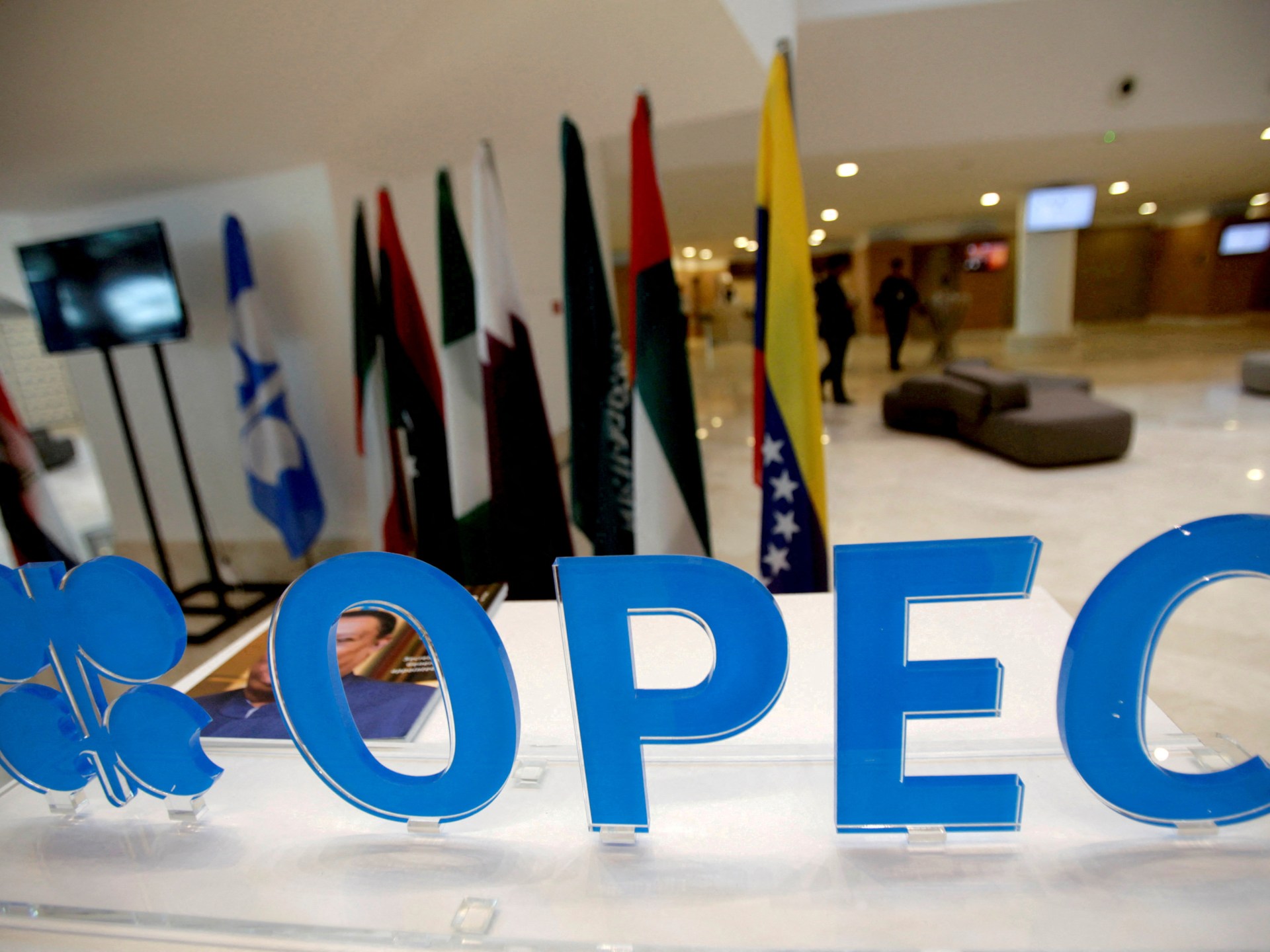
UAE Departure from OPEC and OPEC+ Signals Strategic Realignments Amid Energy Shock
The United Arab Emirates announced its departure from both the Organization of the Petroleum Exporting Countries (OPEC) and the broader OPEC+ alliance on April 28, 2026. This move represents a significant strategic realignment within the global energy landscape, challenging the existing power structures that have governed oil production for decades. The decision comes at a critical juncture marked by a historic energy shock and geopolitical instability stemming from the ongoing Iran war, amplifying the potential consequences for global markets and institutional cohesion.
The departure of a major producer like the UAE from the cartel framework immediately introduces uncertainty into supply management efforts. The source explicitly frames this as a “heavy blow” to both OPEC and its de facto leader, Saudi Arabia. This assessment highlights the immediate impact on institutional authority and the strategic leverage of coordinated action, particularly in a high-stakes environment where market stability is already compromised by external geopolitical factors.
Geopolitical and Institutional Realignments
The UAE’s exit fundamentally challenges the operational model of OPEC, which relies on collective discipline and consensus among member states to manage global supply and maintain price stability. The source’s characterization of the event as a “heavy blow” to Saudi Arabia underscores the breakdown of strategic alignment between two key regional powers. Historically, Saudi Arabia has functioned as the swing producer, absorbing market shocks and enforcing production discipline, often in coordination with other Gulf states. The UAE’s decision to pursue an independent strategy undermines this leadership model and weakens the cartel’s ability to respond effectively to market volatility.
The timing of the departure, coinciding with a “historic energy shock,” suggests a deep divergence in strategic priorities. While OPEC’s core mission is to stabilize markets, the UAE’s move indicates a shift toward prioritizing national economic interests over collective institutional goals. This decision reflects a broader trend among member states to maximize revenue during periods of high prices, potentially eroding the long-term viability of coordinated production cuts or increases. The context of the “Iran war” further complicates regional dynamics, pushing the UAE to re-evaluate its security alliances and economic strategies independently of the unified Gulf approach, thus altering the regional balance of power.
Market Impact and Future Supply Management
The primary operational consequence of the UAE’s exit is the removal of its production capacity from the OPEC+ quota system. The UAE possesses substantial spare capacity and has historically advocated for higher production levels to meet global demand and maximize its revenue potential. By leaving the alliance, the UAE gains full autonomy over its production decisions, freeing it from the constraints of collective quotas. This newfound flexibility allows the UAE to increase output independently, potentially creating downward pressure on prices and complicating the efforts of remaining OPEC+ members to manage supply.
This shift accelerates the decline of institutional cohesion and suggests a potential fragmentation of global oil governance. The future of oil market management may shift from a cartel-based approach to a more fragmented system driven by individual national strategies. The resulting market uncertainty introduces significant risk to market stability, particularly for oil-dependent economies that rely on predictable revenue streams.
Economic Consequences and Investment Dynamics
The financial implications extend beyond immediate price fluctuations. For the UAE, the move provides greater control over its revenue streams, potentially allowing for increased capital accumulation to fund long-term economic diversification projects. The source’s reference to the “historic energy shock” implies high prices, making this a financially opportune time for the UAE to maximize production and revenue.
For remaining OPEC+ members, particularly Saudi Arabia, the departure creates a significant financial challenge. The loss of a major producer’s cooperation complicates supply management efforts, potentially leading to increased market volatility and lower prices if other members follow suit. This situation creates a classic prisoner’s dilemma, where individual self-interest undermines collective benefit. Increased market volatility resulting from a fragmented supply management system can deter long-term investment in new production capacity. Conversely, the UAE’s newfound independence may attract capital seeking opportunities in a less constrained environment.
Conclusion: A New Era of Energy Geopolitics
The UAE’s departure from OPEC and OPEC+ marks a pivotal moment in global energy geopolitics. The decision, set against the backdrop of a historic energy shock and regional conflict, signifies a shift from collective action to independent national strategy. This move challenges the institutional authority of OPEC, introduces significant volatility into global markets, and reshapes regional power dynamics in the Middle East. The consequences extend beyond immediate price fluctuations, impacting long-term investment, capital flows, and the future viability of coordinated supply management frameworks.