PlayStation DRM Controversy: Analyzing the Shift from Ownership to Licensing
A recent system update for the PlayStation 4 and PlayStation 5 consoles has triggered a significant debate among users and industry observers regarding the fundamental nature of digital ownership. Reports indicate that Sony has implemented a new Digital Rights Management (DRM) requirement mandating that users connect their consoles to the internet at least once every 30 days to validate licenses for digital game purchases.
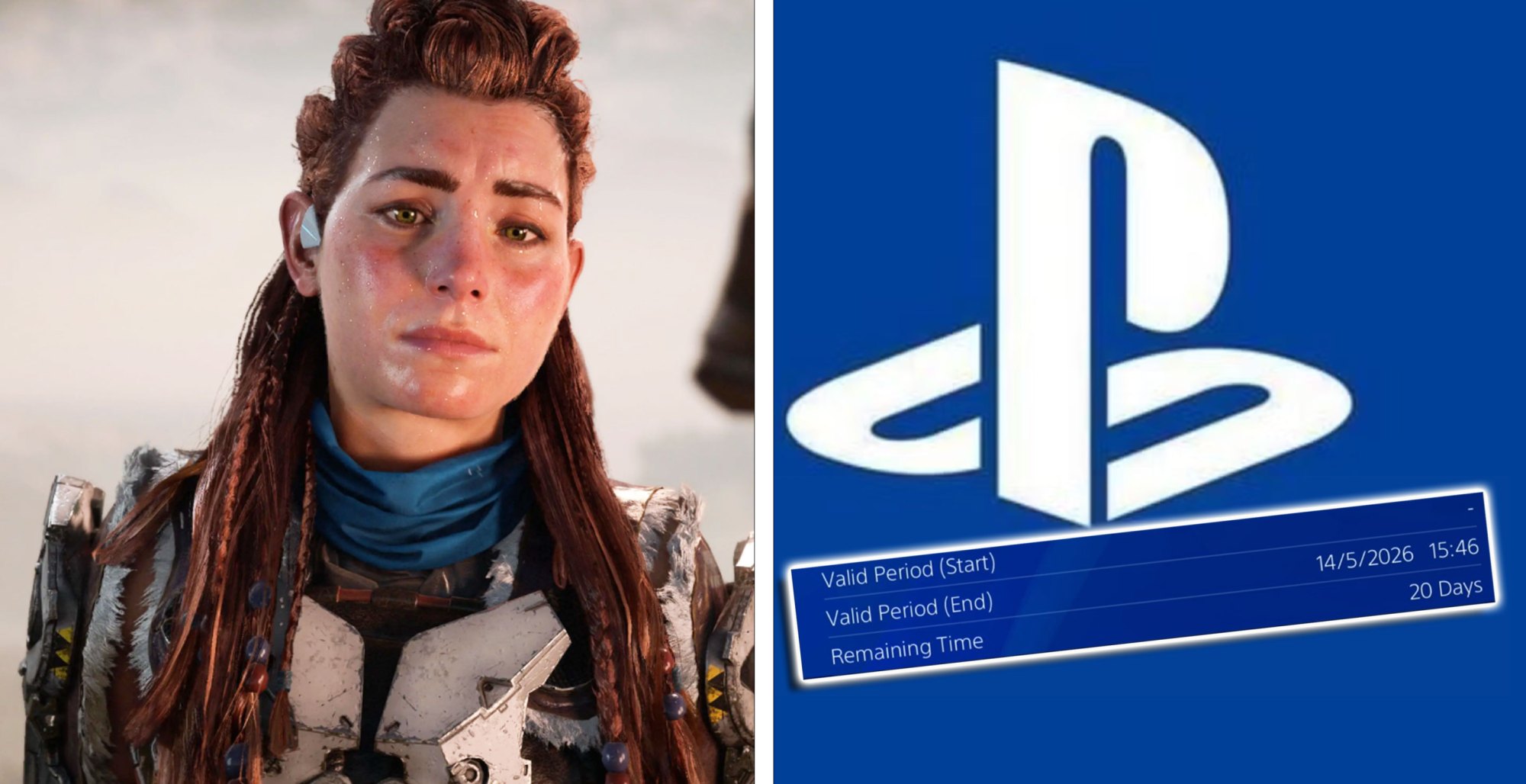
This change, reportedly implemented following a March 2026 update, was first documented by developer Lance McDonald. Users on platforms like Reddit and X noted new interface elements displaying specific validity periods (e.g., “Valid Period (Start)” and “Valid Period (End)”) for digital game licenses. The appearance of these countdowns suggests a fundamental shift in the PlayStation ecosystem’s content management, moving from a static, perceived ownership model toward a subscription-style verification requirement.
The Digital Ownership Paradox: Licensing vs. Purchase
The core of this controversy lies in the inherent tension between purchasing a physical good and licensing digital content. While physical media provides a tangible asset accessible indefinitely, digital content is governed by a license agreement that grants specific usage rights, often subject to change by the platform holder. The 30-day check-in requirement explicitly reinforces the licensing model by making continued access contingent upon periodic verification.
For consumers, this move highlights the inherent fragility of digital libraries to changes in platform policy and server availability. The expectation of permanent ownership, which consumers traditionally associate with a purchase transaction, is directly challenged by a system that requires periodic re-validation. This creates a psychological barrier to digital purchases, diminishing their perceived value relative to physical media.
Operational Risks and Stakeholder Exposure
The implementation of a 30-day verification cycle introduces significant operational challenges for users. It disproportionately impacts users with intermittent or unreliable internet access, or those in regions with developing infrastructure. For users who frequently travel or relocate, this requirement can create significant barriers to accessing content they have purchased and downloaded locally.
Furthermore, this policy creates long-term risks for both users and developers. If the platform’s verification servers experience downtime or are eventually decommissioned, a 30-day check-in requirement could render a significant portion of the digital library permanently inaccessible, even if the user has a local copy of the game data. This risk extends to developers, particularly smaller studios, who rely on a stable platform environment to ensure their products reach consumers effectively. Uncertainty around licensing and access rights introduces additional friction and risk for developers and publishers.
Strategic Ambiguity and Reputational Management
The implementation of this new verification system was reportedly carried out without a formal announcement from Sony. This silent deployment strategy introduces significant reputational and operational risks for the platform holder, particularly concerning consumer trust and transparency in digital content management.
The ambiguity surrounding the change was exacerbated by conflicting reports. While initial user reports suggested a deliberate policy shift toward stricter DRM, a counter-narrative emerged from an anonymous insider claiming the issue was an unintentional bug resulting from an attempt to fix an existing exploit. From a strategic communication standpoint, attributing a negative change to a bug allows the platform holder to mitigate immediate reputational damage without explicitly reversing a policy decision. However, the specific nature of the UI changes—displaying explicit validity periods—suggests a level of intentional design or at least a pre-existing framework for such a system, making the ‘bug’ narrative difficult to reconcile fully.
Competitive Dynamics and Market Positioning
The introduction of stricter DRM measures alters the competitive landscape in the console market, where platform holders increasingly compete on the value proposition of their digital ecosystems. While digital distribution offers significant cost savings and logistical advantages, the perceived value of digital ownership is a key differentiator for consumers.
A policy that restricts access to purchased content based on connectivity requirements may diminish the value proposition of digital purchases on the PlayStation platform compared to competitors, such as Microsoft, who have positioned their digital services (like Xbox Game Pass) and ownership models to be more user-friendly and permissive. This dynamic could influence consumer purchasing decisions as the industry continues its transition toward digital-only console hardware and subscription services.
Long-Term Implications for Game Preservation
The incident raises significant concerns regarding digital game preservation, a critical issue for cultural institutions and consumers alike. As physical media becomes less prevalent, the long-term viability of digital libraries relies heavily on platform holders maintaining server infrastructure and consistent licensing policies. If a platform holder implements a policy that requires regular online verification, the risk of a digital library becoming unusable upon server shutdown increases significantly. This creates a potential conflict between a platform holder’s short-term strategic goals for intellectual property protection and the long-term interests of consumers and historical preservation efforts.
Conclusion: Assessing Long-Term Consequences
The reported DRM change, whether intentional or a bug, represents a critical juncture in the ongoing debate over digital ownership. The incident underscores the fragility of digital libraries and the strategic leverage platform holders possess over access to purchased content. The long-term consequences of this event extend beyond immediate user inconvenience, raising fundamental questions about the future of digital preservation, consumer rights, and the competitive landscape of the console market. As the industry continues its shift toward digital distribution, the balance between platform control and consumer expectations will remain a central point of tension for stakeholders.