
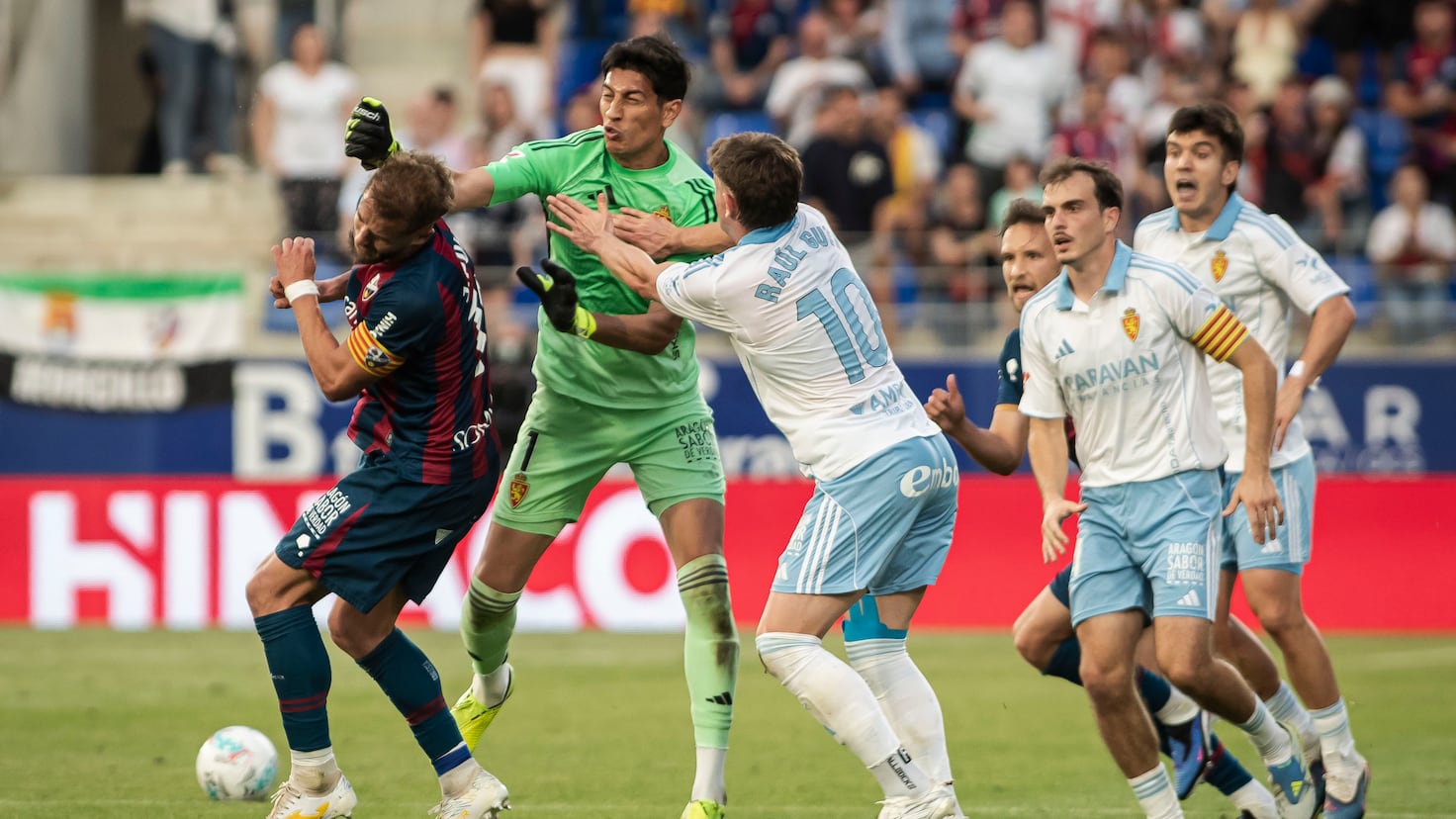
Systemic Breakdown in Professional Conduct
The violent conclusion to the Huesca-Zaragoza derby serves as a critical case study regarding the degradation of on-field discipline during high-stakes fixtures. The altercation, involving goalkeeper Esteban Andrada and captain Jorge Pulido, has ignited significant concerns regarding the efficacy of current officiating protocols and the deterrent capacity of established disciplinary frameworks.
When athletes engage in physical combat, the implications extend beyond the match scoreline, threatening the structural integrity of the league. The subsequent intervention by the Video Assistant Referee (VAR)—which identified secondary acts of aggression by Dani Jiménez—underscores a systemic struggle to maintain order when emotional volatility overrides established professional standards. This performance failure necessitates a comprehensive review of how match officials utilize VAR to mediate volatile environments.
The Economics of Disciplinary Enforcement
Potential suspensions for the accused, potentially ranging from four to twelve matches under Article 103, illustrate the financial and operational risks clubs incur through player misconduct. A long-term absence of a starting goalkeeper creates an immediate performance deficit, impacting tactical continuity and league standing. For stakeholders, these behavioral lapses represent a direct erosion of human capital investment and an avoidable blow to institutional asset value.
Furthermore, the administrative burden placed on governing bodies to adjudicate simultaneous infractions strains the capacity for consistent enforcement. This creates a feedback loop: inconsistent perceived outcomes can incentivize future volatility, thereby damaging the league’s professional image and commercial viability.
Institutional Consequences and Regulatory Precedent
The involvement of multiple players in the post-incident scuffle suggests a failure in team leadership and collective behavioral management. Beyond the immediate match damage, the resulting reputational harm compromises commercial partnerships and fan loyalty. Reliance on retrospective disciplinary action is a necessary regulatory compliance step, yet it remains an inadequate substitute for preemptive on-field management.
Regulators must now evaluate whether the current VAR threshold is too high to effectively de-escalate physical confrontations. Future policy adjustments will likely favor proactive, preventative mandates, as the cost of managing the aftermath of mass altercations far outweighs the investment required for robust preemptive control.
Media Transparency and League Credibility
High-definition documentation of these events transforms a local sporting dispute into an international reputational issue. To preserve the league’s status as a top-tier commercial product, disciplinary committees must act with rigorous transparency. By strictly adhering to legal interpretations of the disciplinary code, the league aims to demonstrate the resilience of its regulatory framework against extreme deviations from conduct, ensuring the long-term value of football as a cultural asset.

Photo by Pexels on Pixabay.