Institutional Validation and the Crossover Art Market
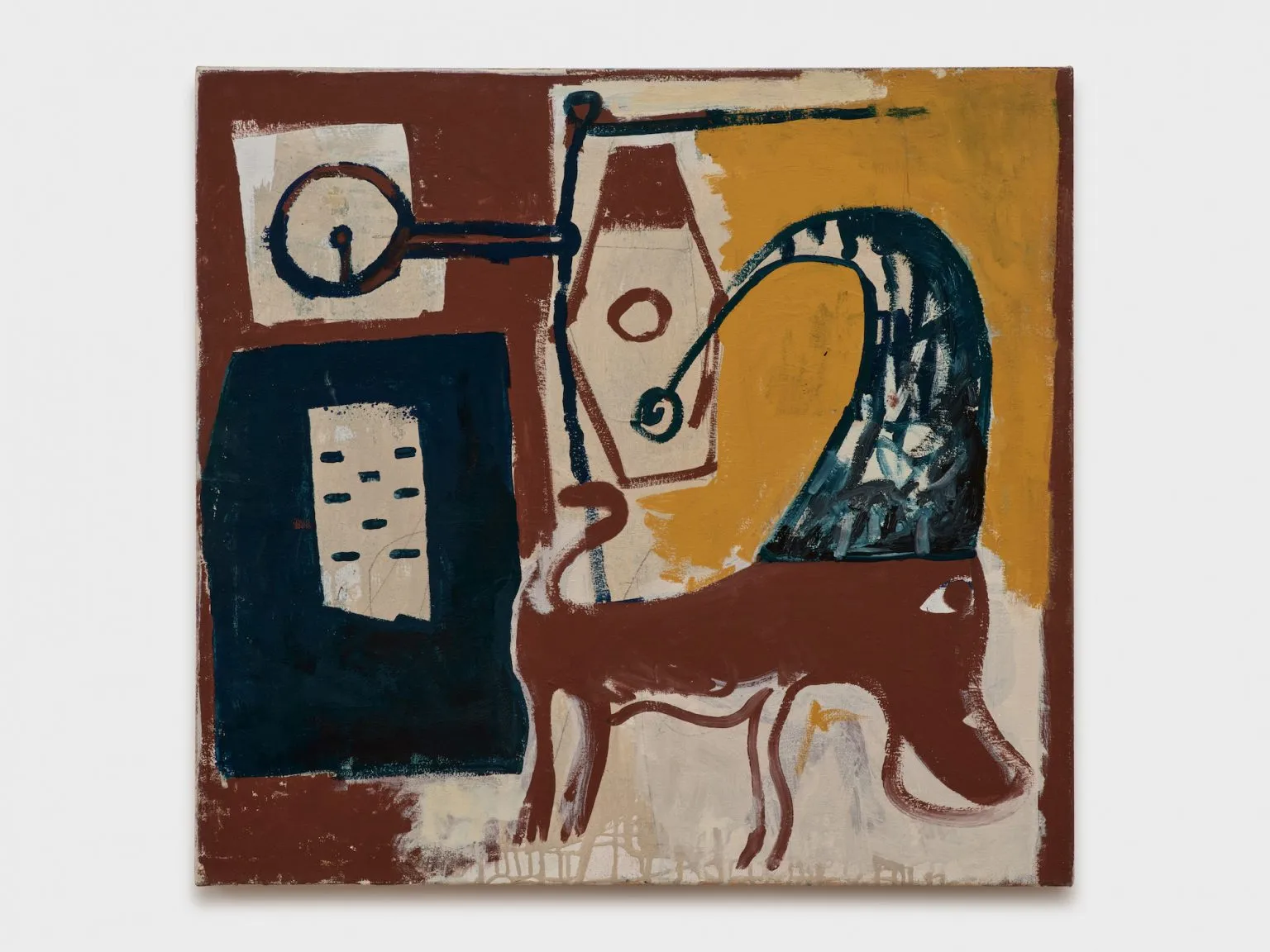
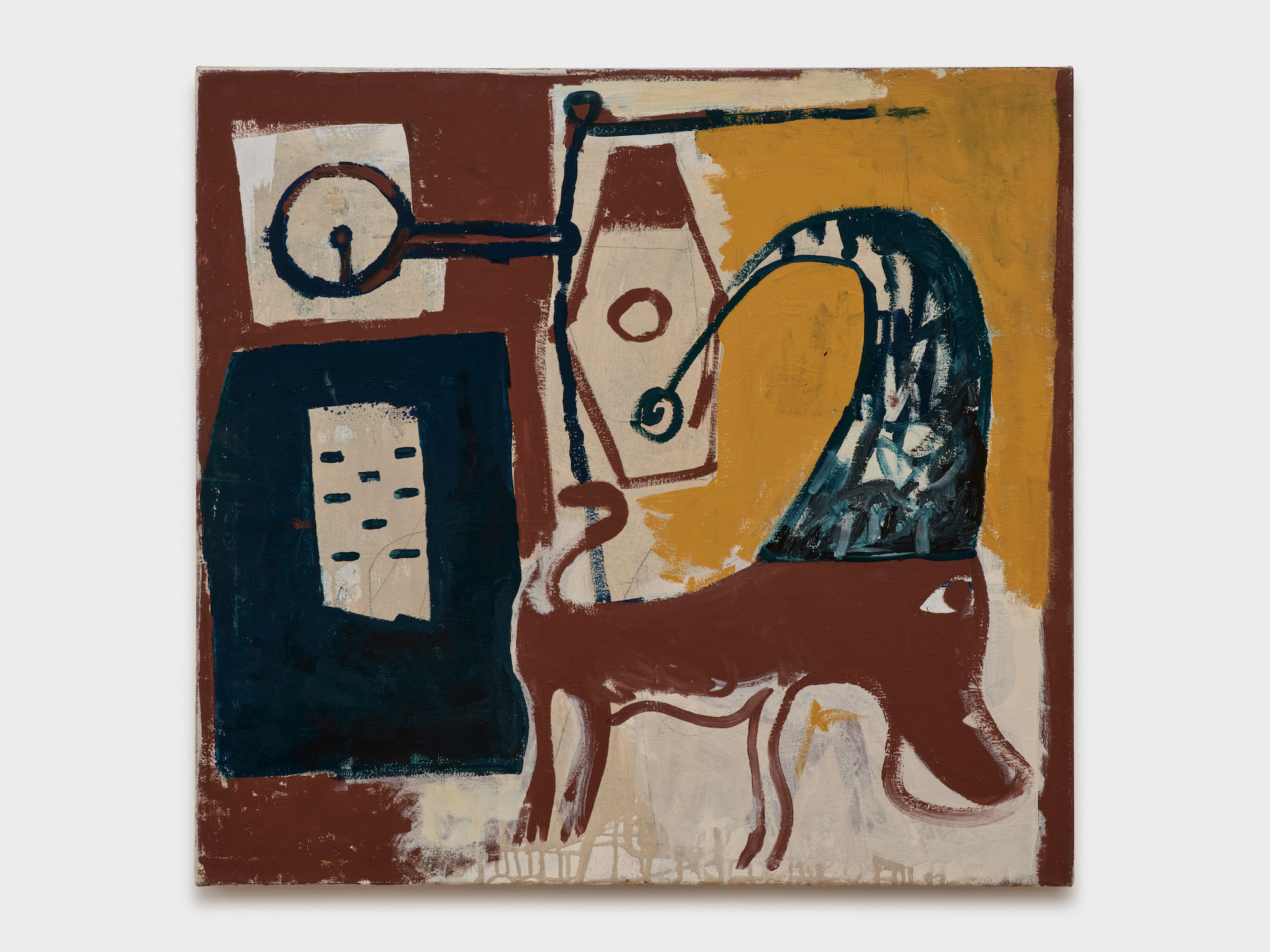
The inauguration of Matt Dillon’s solo exhibition, “Porto Novo to Abomey,” at The Journal Gallery signifies a calculated pivot from personal practice to the institutionalized contemporary art market. This transition leverages Dillon’s existing cultural capital to navigate the complexities of gallery validation. In the current art ecosystem, the choice of venue—The Journal Gallery—functions as a primary signal of value, distinguishing this body of work from celebrity hobbyism. By securing a space in New York’s competitive landscape, the exhibition shifts the narrative from subjective expression to professional output, positioning Dillon’s work within the formal discourse of contemporary gestural abstraction.
Operational Constraints and the Materiality of the Portable Studio
Dillon’s artistic process is dictated by the logistical exigencies of a career on international film sets, resulting in a distinctive reliance on portable media. The utilization of repurposed notebooks and loose paper reflects an aesthetic born of necessity, where creative intervals must fit within the interstices of a rigorous production schedule. This itinerancy is not merely a logistical convenience but a fundamental driver of the work’s scale and texture. However, the recent inclusion of black Masonite as a substrate indicates an evolution toward a more durable and commercially viable studio practice. This shift from the ephemeral to the permanent suggests an intent for long-term preservation and institutional acquisition, providing a rigid counterpoint to his mercurial, acrylic-lathered figures.
Geopolitical Mapping and Narrative Provenance
The thematic core of the collection centers on a 100-mile transit through Benin, establishing a specific narrative provenance. By documenting observations of West African textiles, architecture, and spiritual iconography—specifically voodoo motifs from the Kingdom of Dahomey—Dillon grounds his abstract figures in a tangible cultural context. Rather than striving for ethnographic precision, the work filters these observations through a personal, subjective lens. This approach navigates the complexities of cultural representation by focusing on the phenomenology of travel. Pieces like “Coastal Landscape” leverage bold, flat forms to evoke the historical weight of the Benin coastline, prioritizing emotional resonance over descriptive detail.
Synergy of Cinematic and Visual Narratives
The synchronization of this exhibition with the post-production of Claire Denis’s “The Fence” highlights a methodological spillover between creative industries. Filmed in Senegal, Denis’s project provided the site of incubation for Dillon’s visual research. The film set functioned as a laboratory where his immersion in West African social structures informed his secondary artistic practice. This symbiotic relationship offers a necessary creative autonomy; while the film set is bound by directorial vision and script, the painting studio allows for total agency over the final product. The anticipated 2025 release of “The Fence” ensures a sustained narrative arc, reinforcing Dillon’s credibility across both cinematic and visual arts sectors.
Lineage and the Inheritance of Aesthetic Capital
Dillon’s entry into the fine arts is bolstered by a lineage of image-makers, functioning as a form of inherited aesthetic capital. Raised among portrait painters and the descendant of iconic illustrator Alex Raymond (creator of Flash Gordon), Dillon possesses a foundational familiarity with visual storytelling that compensates for a lack of formal academic training. This lineage serves as a vital marketing tool, providing a compelling backstory that galleries utilize to frame his work for collectors. In a market that prioritizes narrative biography, this multi-generational artistic heritage provides a layer of authenticity, suggesting that his recent gallery presence is the professionalization of a lifelong familial tradition.