Vikings Prioritize Capital Optimization in Day Two Draft Strategy
The Minnesota Vikings executed a series of calculated maneuvers during the second day of the 2026 NFL Draft, signaling a clear organizational strategy focused on long-term capital optimization rather than immediate roster impact. This approach, exemplified by micro-level trade adjustments and macro-level personnel restructuring, demonstrates a shift toward building sustainable depth for future seasons.
The Vikings’ front office, under the direction of Kevin O’Connell, initiated a strategic trade-down from pick No. 49 to No. 51. This seemingly minor adjustment served a critical purpose: converting a sixth-round pick (No. 196) into a higher-value fifth-round pick (No. 159) via a separate transaction. This maneuver highlights a sophisticated valuation of draft capital, prioritizing the acquisition of higher-value future assets over marginal positional gain in the immediate round. By accepting a calculated risk that their target player would still be available two spots later, the team successfully navigated the draft board to improve overall asset efficiency.
Jake Golday: A Profile in Versatility and Data-Driven Selection
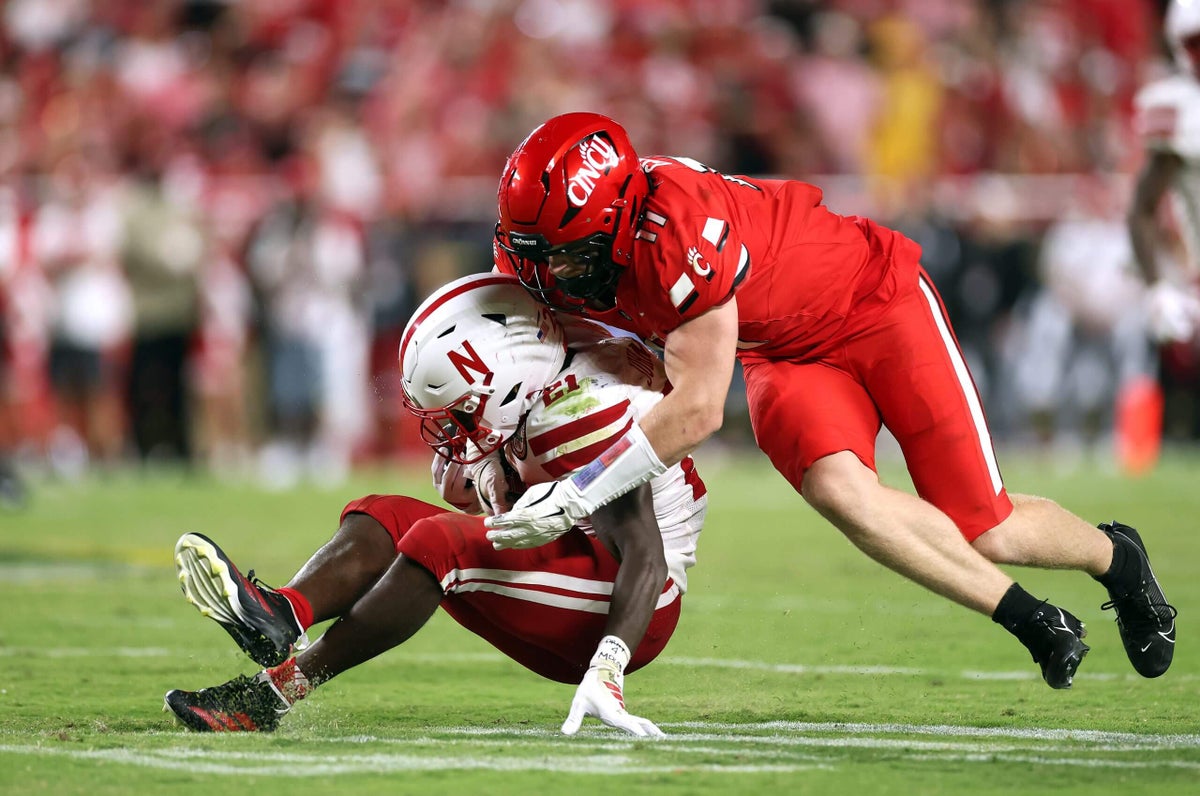
Following the trade-down, the Vikings selected linebacker Jake Golday from Cincinnati at No. 51. This selection aligns with a data-driven methodology focused on mitigating risk and maximizing positional value. Golday’s versatility is highlighted as a primary attribute, a highly valued trait in modern defensive systems that demand players capable of executing multiple roles, including run defense, pass coverage, and blitzing.
The Vikings’ evaluation methodology prioritized Golday’s recent performance trajectory over long-term pedigree. After three seasons at Central Arkansas, Golday transferred to Cincinnati and experienced a breakout FBS season in 2024. His performance in the Big 12 conference provided critical data points, validating his ability to maintain high productivity against superior competition. This trajectory, combined with objective metrics from his 2025 season (leading the Bearcats in total tackles and assisted tackles) and a PFF grade of 80.7, solidified his value as a high-leverage prospect.
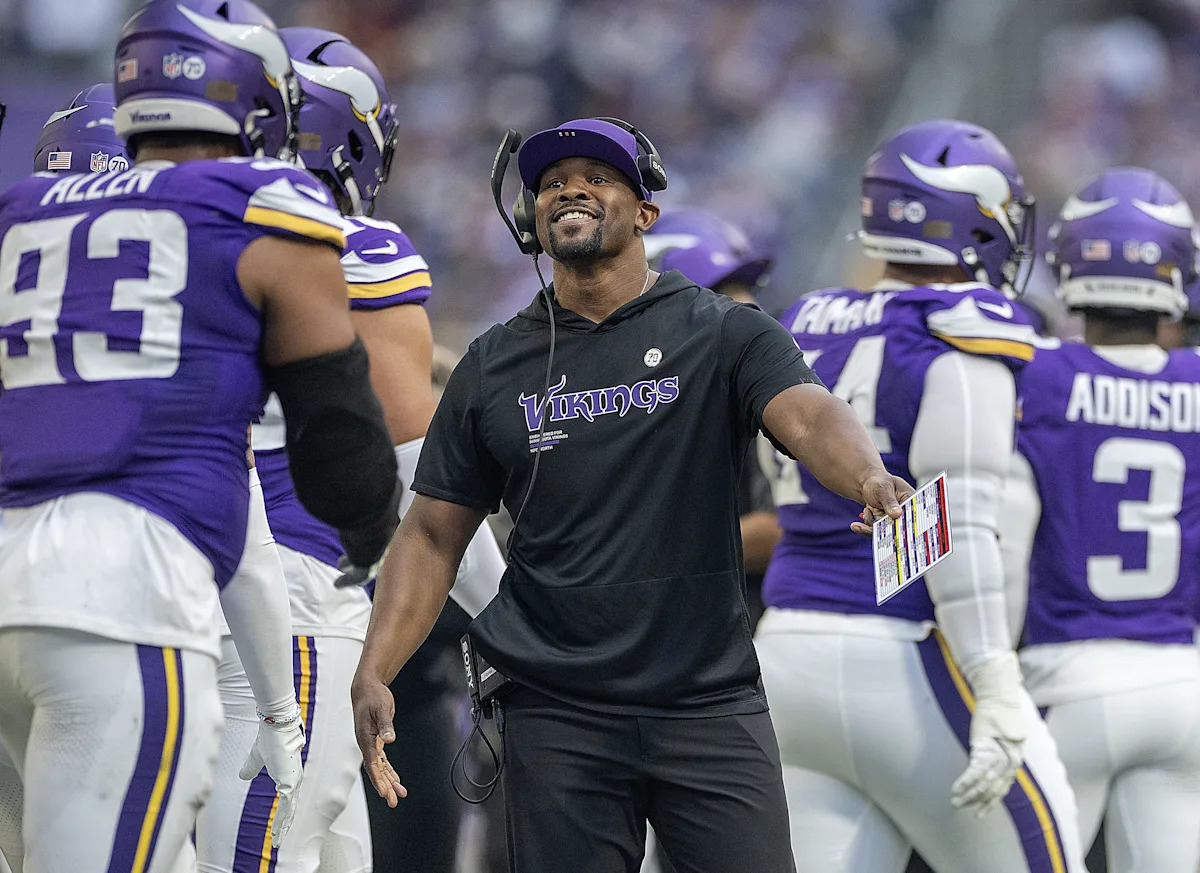
The selection further indicates a precise fit within Brian Flores’ defensive scheme. Golday’s profile, specifically his proven capability as a solid run defender, directly addresses an operational requirement for the position. The emphasis on run defense suggests a strategic countermeasure to specific offensive trends in the league, prioritizing physical play at the second level. The institutional mechanism of a Top 30 visit confirms Golday met a minimum threshold for character and scheme fit, providing risk mitigation for the selection.
The Greenard Trade: Accelerating Roster Restructuring and Cap Management
The Vikings’ strategic pivot extended beyond the Golday selection. The simultaneous trade involving Jonathan Greenard further clarifies the team’s long-term vision for roster restructuring. By trading Greenard and pick No. 244 for pick No. 98 and a 2027 third-round selection, the Vikings leveraged a known defensive asset to acquire higher-value future capital.
This transaction represents a deliberate trade-off between current performance and long-term asset accumulation. The move frees up potential salary cap space associated with a veteran player, allowing the team to invest in younger, more cap-efficient talent. The acquisition of a future third-round pick in 2027 demonstrates a focus on building sustainable depth through the draft over multiple cycles. The exchange highlights a willingness to sacrifice short-term competitiveness for a more robust and cap-efficient roster structure in future seasons.
Institutional Calculus and Strategic Synthesis
The combination of these moves—the micro-optimization of draft capital via the trade down, the selection of Golday based on data-driven metrics and scheme fit, and the macro-level restructuring via the Greenard trade—indicates a coherent and disciplined organizational strategy. The pre-draft rumors suggesting the Vikings were looking to trade down, a form of market signaling, aligned with the actual execution of improving future pick value. The decision to select Golday over Anthony Hill Jr., both of whom received Top 30 visits, further emphasizes a refined differentiation in player evaluation aligned with Flores’ scheme and the long-term roster plan.
Overall, the 2026 NFL Draft demonstrates the Vikings’ commitment to building a sustainable foundation for future success by prioritizing long-term asset accumulation over immediate results. This approach, while potentially impacting immediate performance, aims to create a more robust and cap-efficient roster structure for future seasons to navigate future challenges successfully.