Bears’ Day 2 NFL Draft Strategy: A Bet on Long-Term Value Against Immediate Defensive Needs
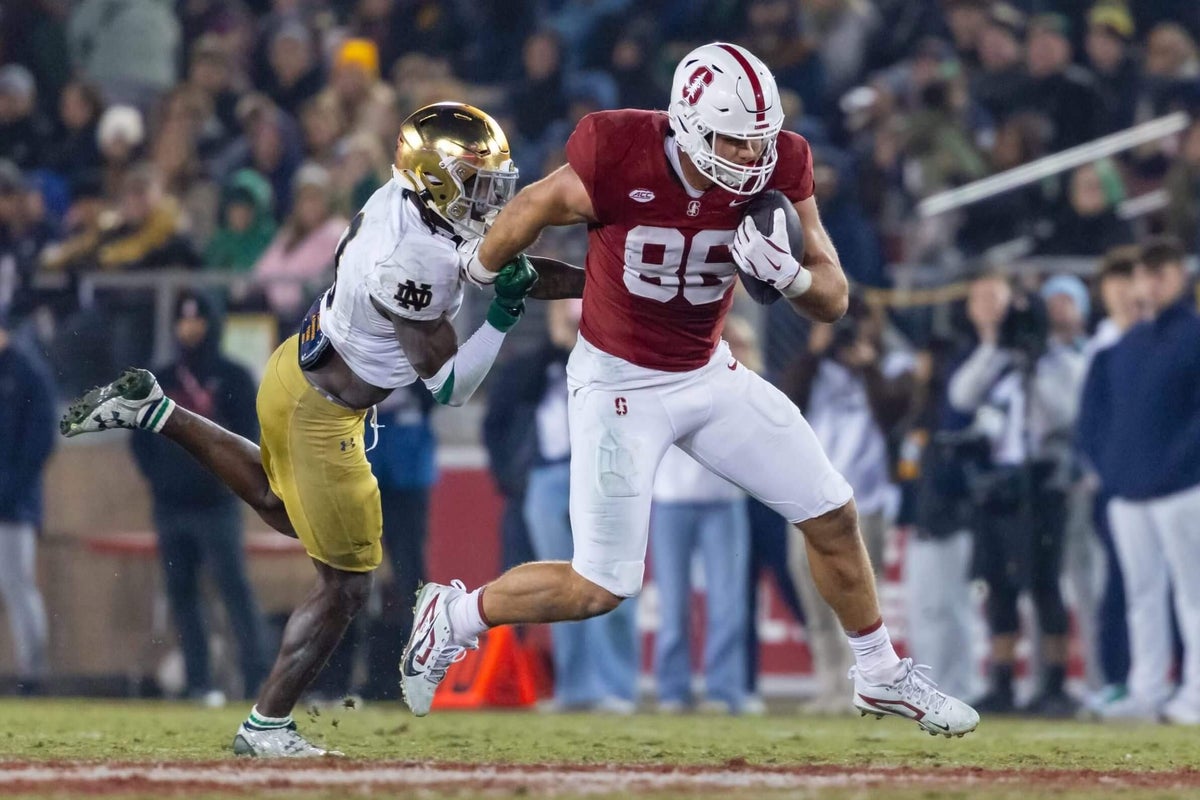
The Chicago Bears’ Day 2 selections in the 2026 NFL Draft highlighted a strategic divergence between immediate positional needs and long-term talent acquisition philosophy. Despite finishing the 2025 season ranked 29th in yards allowed per play and struggling across key defensive metrics, the organization used all three of its Day 2 picks to select offensive players: center Logan Jones, tight end Sam Roush, and wide receiver Zavion Thomas.
This approach, which prioritized offensive depth over addressing a critical defensive weakness, reflects a calculated risk by General Manager Ryan Poles. The decisions signal a commitment to a specific talent evaluation model, even when it conflicts with short-term performance requirements and stakeholder expectations.
The Strategic Rationale: Best Player Available vs. Positional Need
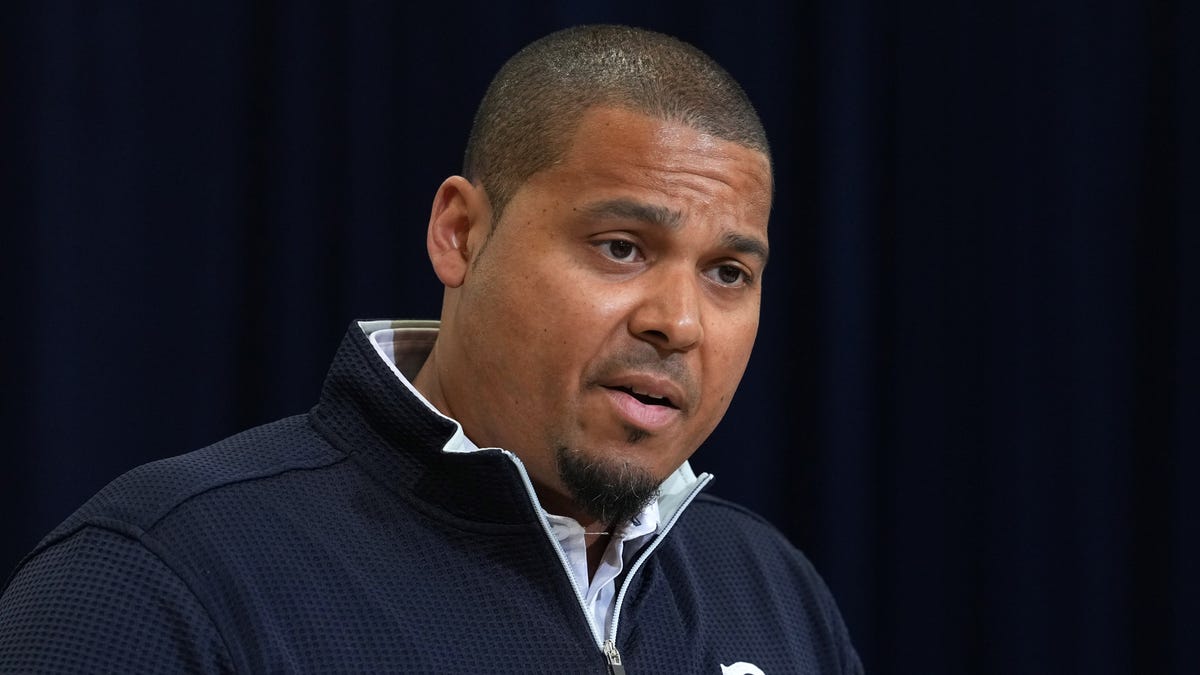
Poles defended the organization’s approach by emphasizing adherence to the draft board and a long-term strategic horizon. He stated that prioritizing positional needs over talent evaluation—a common practice for teams seeking immediate fixes—is detrimental to sustained success. This philosophy, often referred to as ‘best player available’ (BPA), aims to maximize the value of each draft pick by selecting the highest-rated player on the board, regardless of current roster composition.
The implementation of this strategy, however, carries significant short-term consequences. By passing on defensive linemen in favor of offensive players, the organization accepts the risk that its defensive struggles from the previous season may persist. This creates a tension between optimizing for long-term value creation and mitigating immediate competitive vulnerabilities.
Poles’ explanation suggests a calculated risk assessment where the available defensive talent on Day 2 did not meet the organization’s valuation threshold. He noted that the team anticipated a run on defensive linemen early in the second round, implying that the remaining players at that position were not considered valuable enough to warrant selection over the available offensive talent.
Operational and Financial Implications: Competition and Roster Leverage
The selections were explicitly framed by director of player personnel Trey Koziol as a move to increase internal competition. This strategy directly impacts existing players at those positions, including center Garrett Bradbury, tight ends Colston Loveland and Cole Kmet, and wide receiver Kalif Raymond.
By drafting Jones, Roush, and Thomas, the organization signals to its current starters that their roles are not guaranteed. This operational approach aims to elevate overall performance by forcing existing players to perform at a higher level to maintain their positions. The success of this strategy relies on the coaching staff’s ability to manage high-stakes competition effectively without creating internal friction or undermining team cohesion.
Furthermore, these draft picks represent cost-controlled assets, providing a hedge against future salary cap constraints. By acquiring talent at low cost, the organization creates leverage in future contract negotiations with existing players. If the drafted players develop rapidly, the organization gains flexibility regarding future contract decisions. It can potentially trade existing high-salary players or allow contracts to expire, freeing up significant capital for other investments. The selection of Jones, despite having recently traded for Bradbury, exemplifies this financial strategy, minimizing risk and maximizing the organization’s ability to allocate capital efficiently in future seasons efficiently.
Competitive Exposure and Risk Assessment
The organization’s decision to ignore its defensive line needs carries significant competitive exposure. A weak defensive line impacts every aspect of defensive play, including run stopping and quarterback pressure. The risk is that the lack of pressure on opposing quarterbacks will negate improvements in other defensive areas, potentially undermining overall team performance. By passing on this need, the organization accepts the risk that its defensive struggles will continue.
The strategic choice reflects a long-term perspective that prioritizes building a robust roster over immediate fixes. The organization’s leadership appears willing to endure short-term performance challenges to adhere to its long-term talent acquisition strategy. This approach contrasts sharply with organizations that prioritize immediate results by drafting for need, often at the expense of long-term value.
Institutional Culture and the ‘Playoff Team’ Mindset
Koziol’s statement that “playoff teams can select players in early rounds who might not start right away but can take over the position in coming seasons” reveals the organizational self-perception and cultural aspiration. The Bears are positioning themselves as a team building for sustained success, not immediate desperation. This mindset justifies drafting for future value over current need. The implication is a shift from a ‘rebuilding’ mentality to a ‘sustaining’ mentality, even if the current performance metrics (29th defensively) contradict the ‘playoff team’ label. This cultural shift impacts player acquisition and development, prioritizing long-term potential over immediate contribution.