Puebla’s Free Ticket Promotion: A Strategic Response to Liga MX’s Structural Flaws
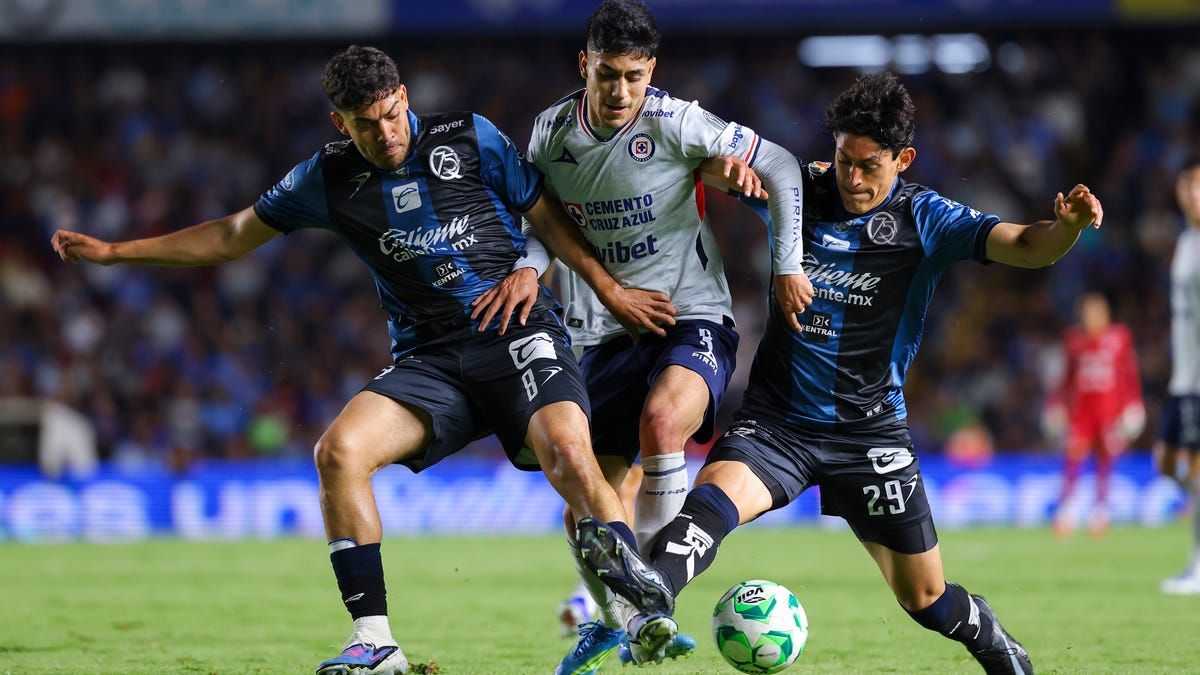
As the Clausura 2026 season concludes, the match between Puebla and Querétaro holds little competitive significance for either team, both having failed to qualify for the Liguilla. This scenario, common in professional leagues with multi-stage playoff structures, creates a critical operational and commercial challenge: maintaining fan engagement and commercial value when competitive stakes are zero. Puebla’s decision to offer free tickets to university students for this match is a direct response to this challenge, highlighting deeper structural issues within Liga MX.
The Strategic Rationale: Mitigating Reputational and Financial Risks
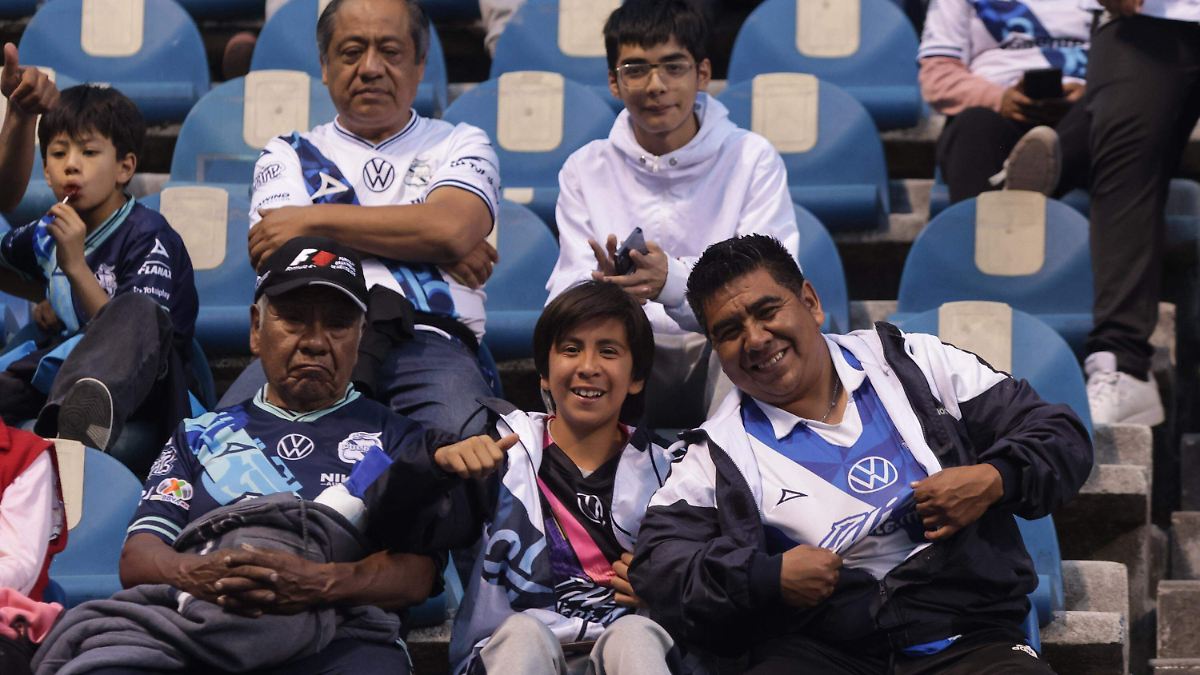
For clubs finishing outside the Liguilla, the final matches shift focus from competition to risk management. The primary concern is mitigating financial and reputational damage from low attendance. Empty stands at the Estadio Cuauhtémoc signal low interest, which can significantly reduce the value proposition for sponsors and negatively impact future broadcast revenue negotiations. By prioritizing a full stadium through free entry over minimal ticket revenue, Puebla seeks to protect its brand image and maintain a positive visual environment for media partners on the ‘Viernes Botanero’ broadcast. This strategy prioritizes long-term commercial relationships and brand optics over short-term gate receipts, acknowledging that the demand for this particular match makes significant ticket revenue unlikely anyway.
Fan Acquisition Strategy: Targeting University Students for Long-Term Value
The promotion’s targeting of university students reveals a sophisticated approach to fan base development. Rather than a general discount, this strategy aims to convert a high-potential demographic into long-term supporters. University students represent a valuable segment for future season ticket sales and merchandise purchases. The club views the promotion as an investment in a positive match-day experience for future generations of supporters, cultivating fan loyalty and increasing the overall fan base size. The restrictions, or ‘candados,’ placed on the promotion, ensure that the attendees support the home team, protecting the atmosphere and home-field advantage even during a non-playoff match.
Operational Implications and Competitive Incentives in a Non-Relegation League
Puebla’s position near the bottom of the table (17th place) highlights the competitive dynamics at the lower end of Liga MX. While a traditional relegation system would provide an existential incentive to win, Liga MX’s structure—which includes financial penalties for finishing last—creates a different kind of pressure. The match against Querétaro offers an opportunity for Puebla to improve its final standing, potentially avoiding certain financial disincentives tied to finishing at the bottom. The promotion supports this goal by providing a supportive environment for the team’s performance, potentially boosting player morale and future recruitment efforts. The operational logistics of managing free entry while enforcing restrictions (‘until supplies last’) balance maximizing attendance with controlled access and brand management.
The Broader Structural Context: Liguilla’s Impact on Match Value
Puebla’s strategy is symptomatic of a broader structural challenge within Liga MX. The Liguilla format creates a significant divide between playoff contenders and non-playoff teams. For teams eliminated early, the final matches of the regular season often lack competitive intensity, making it difficult to maintain fan interest and media value. In a league without relegation, where clubs are less threatened by long-term competitive consequences for poor performance, clubs must rely on specific fan engagement strategies to mitigate the negative consequences of non-playoff status. Puebla’s promotion serves as a case study in how clubs must adapt their business practices to compensate for the structural limitations of the league’s competitive format.