The Mechanics of Global Soccer Valuation
The FIFA Women’s World Ranking utilizes an Elo-based algorithm that transcends simple win-loss records by integrating match importance, venue context, and the relative strength of opponents. This statistical framework transforms international fixtures into a quantifiable baseline, ensuring that the hierarchy reflects actual competitive pressure rather than historical legacy.
For national federations, this methodology functions as a critical KPI for operational success. The weighting system incentivizes high-stakes performance, as matches in major tournaments exert significantly more influence on point totals than friendly fixtures, directly impacting the path toward major championship qualification.
Strategic Positioning at the Summit
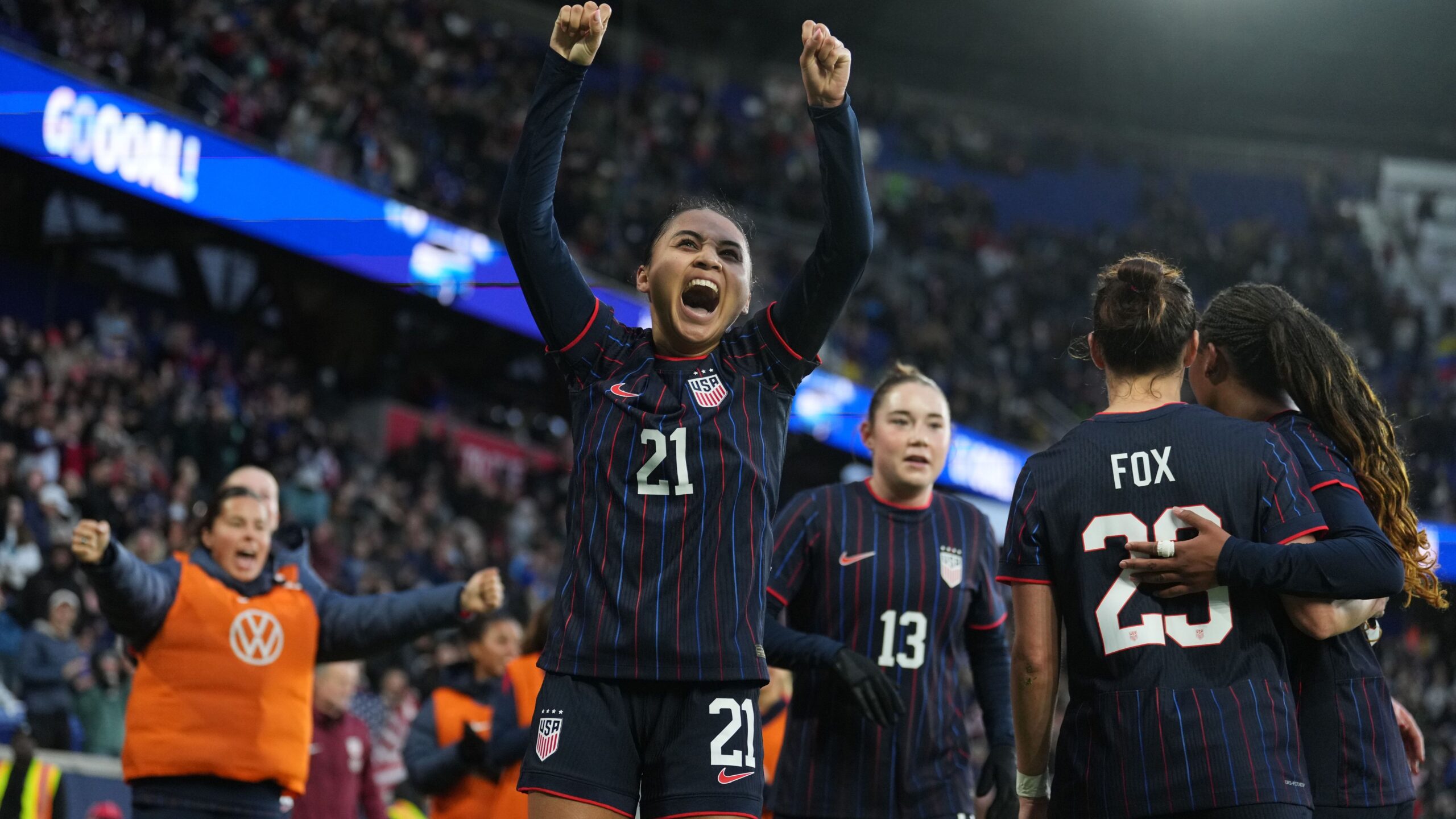
Spain’s retention of the top spot confirms a period of sustained tactical dominance, supported by a robust developmental infrastructure. While the United States remains a top-tier force in second, the thinning margin between them and rising challengers signifies an epoch of increasing parity. England’s ascent to third—propelled by a tactical victory over Spain—illustrates the system’s sensitivity to head-to-head results, which serves as a catalyst for structural shifts in the global hierarchy.
The Competitive Landscape of the Top Ten
Japan’s rise to fifth following Asian Cup success underscores how regional tournament outcomes translate into global ranking leverage. The downward trajectory of nations like Korea DPR emphasizes the volatility of elite standing; when performance consistency wanes, ranking degradation is swift. Furthermore, the consolidation of European and North American teams within the top ten indicates that capital investment and professionalization in these regions are yielding a measurable return in the form of ranking stability.
Regional Dynamics and Developmental Trajectories
Canada’s move to ninth, secured through consistent performance in the FIFA Series, highlights the importance of strategic scheduling. By maximizing point gains during international windows, nations can mitigate the risks posed by losses to lower-ranked opponents. This volatility is even more pronounced at the base of the global ladder; the 17-place climb by American Samoa compared to the 14-place decline for Suriname highlights the extreme mobility—and instability—faced by teams navigating the periphery of international competition.
Institutional Implications for Future Cycles
Ranking positions dictate tournament seeding, creating a feedback loop between current performance and future success. As the Concacaf W Championship approaches, national federations must align their resource allocation—coaching staff, training camps, and match selection—with the requirements of the ranking system. This data-driven approach is no longer optional; it is a prerequisite for teams aiming to secure favorable paths in 2027 World Cup and 2028 Olympic qualifiers.
Systemic Influence and Professionalization
As the women’s game continues its rapid professionalization, the FIFA rankings have evolved into a primary barometer for stakeholders. Broadcasters and commercial sponsors increasingly utilize these standings to evaluate marketability, meaning that a team’s ranking directly correlates to its visibility and access to investment. This institutional interest reinforces the need for accurate, longitudinal performance tracking, ensuring the sport remains transparent and objectively measured as it scales globally.