
Shutdowns as Political Arbitrage
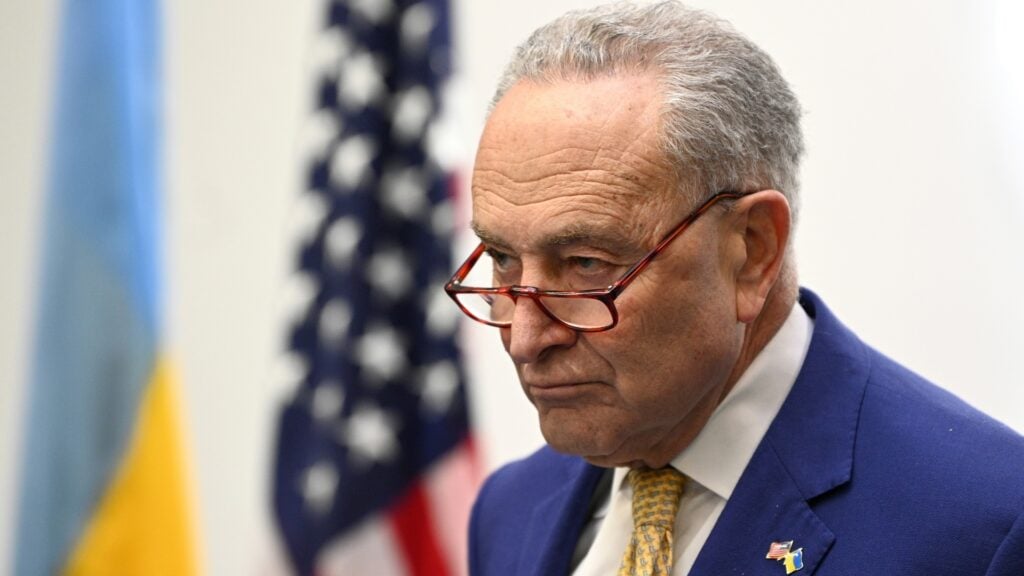
The recurring specter of federal government shutdowns has evolved from a byproduct of legislative impasse into a refined tool of political arbitrage. Rather than mere budgetary failures, these events are increasingly leveraged as tactical maneuvers to influence voter sentiment. This strategic calculus is exemplified by recent discourse suggesting that leadership may facilitate shutdowns to coincide with electoral cycles—specifically targeting the September 30th fiscal deadline—to maximize public visibility and assign blame to the opposition for service disruptions.
The Erosion of Regular Order
This weaponization of the budget process reflects a systemic decay in ‘regular order’—the traditional sequence of passing twelve distinct appropriations bills. The normalization of continuing resolutions (CRs) and omnibus packages has concentrated power among party leadership, marginalizing rank-and-file input and creating a high-stakes environment where single policy flashpoints, such as immigration enforcement, can paralyze the entire federal apparatus. The protracted closure of the Department of Homeland Security (DHS) serves as a critical case study, demonstrating how specific enforcement disputes are used as leverage, resulting in operational uncertainty that compromises national security mandates.
Economic Externalities and Capital Market Sentiment
Beyond the beltway, fiscal brinkmanship introduces significant economic externalities. While immediate market reactions to partial shutdowns are often muted, the cumulative effect of recurring instability erodes investor confidence and impacts sovereign credit assessments. Prolonged uncertainty disrupts capital allocation for businesses dependent on federal contracts and creates volatility in the labor market for the nearly 2 million federal employees. Furthermore, the politicization of funding deadlines signals fiscal indiscipline to international markets, potentially increasing long-term borrowing costs and devaluing the perceived stability of the US fiscal framework.
Institutional Resilience vs. Reform Imperatives
The institutional cost of these impasses is reflected in a culture of reactive management within federal agencies. Constant contingency planning for potential lapses in funding diverts resources from core mission objectives, hindering long-term project development and research initiatives. Legislators’ efforts to rewrite budgeting rules reflect a growing consensus that the 1974 Budget Act is insufficient to deter modern brinkmanship. Without fundamental structural reform—such as automatic continuing resolutions or the decoupling of policy riders from essential funding—the US remains vulnerable to a cycle of manufactured crises that degrade the effectiveness of democratic governance.
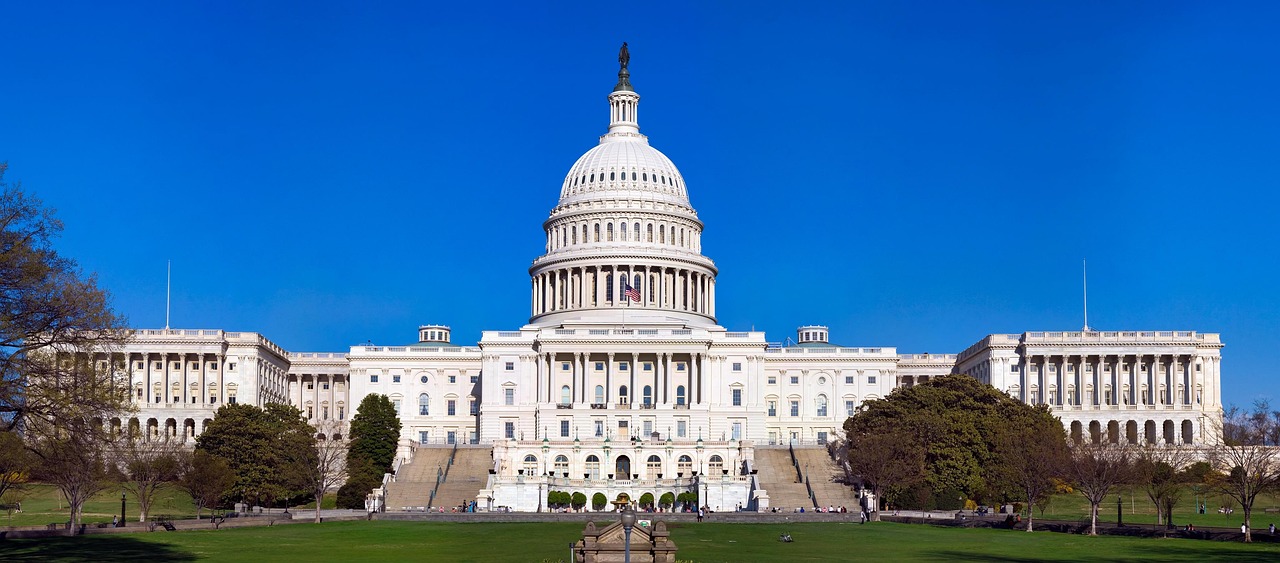
Photo by 1778011 on Pixabay.