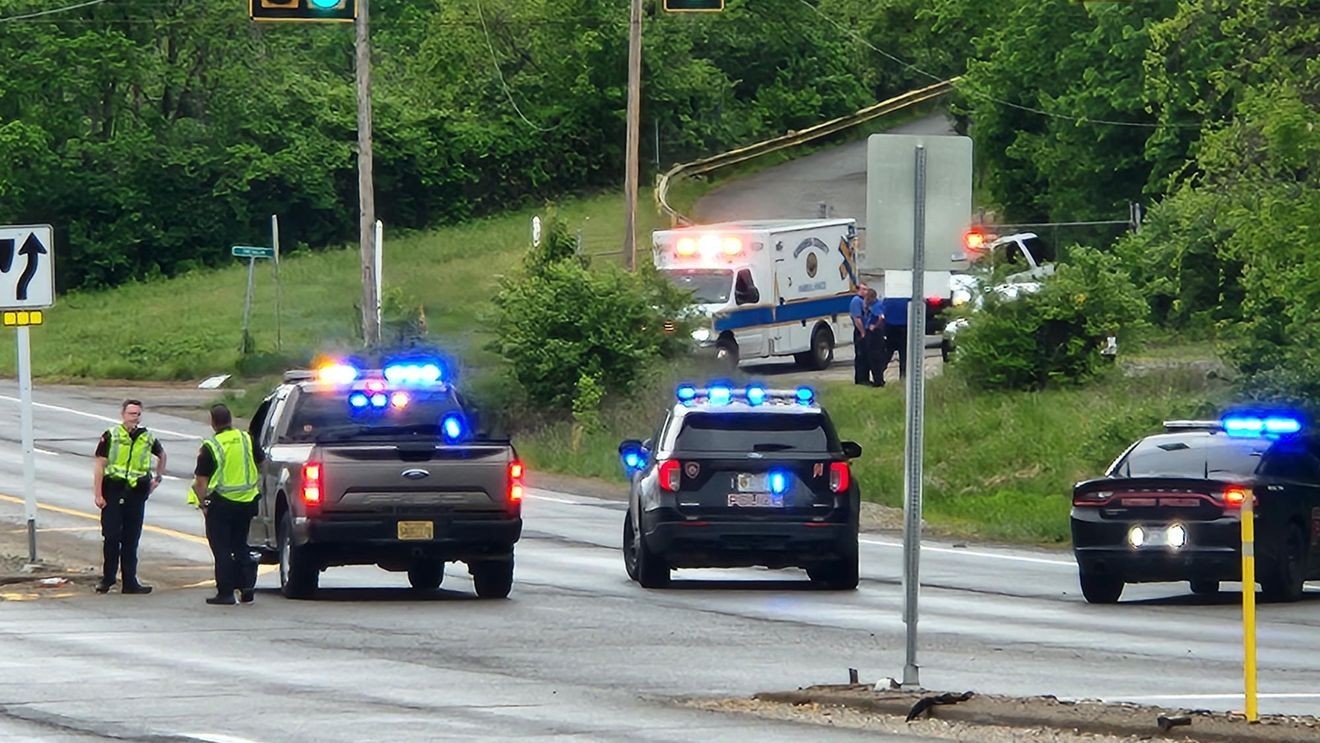
The chemical emergency at the Catalyst Refiners facility in Institute, West Virginia, on April 22, 2026, serves as a critical case study in the intersection of industrial operations and municipal safety. Initiated at approximately 9:30 a.m., the event necessitated the rapid deployment of tiered emergency protocols, emphasizing the high-stakes nature of catalyst refining within a vital industrial corridor.
Infrastructure Resilience and Logistical Friction
The incident created immediate logistical friction across the Kanawha Valley. The closure of MacCorkle Avenue—stretching from Roxbury Street in South Charleston to Walnut Street in St. Albans—effectively severed a primary transit artery. This strategic suspension of commercial throughput highlights a prioritized risk-mitigation framework, acknowledging the potential for atmospheric hazards to migrate across the river towards the Route 60 corridor.
Furthermore, the isolation of 1st Avenue South, specifically the segment between New Goff Mountain Road and Kilowatt Road, disrupted the essential movement of materials and personnel within the Institute industrial zone. The forced redirection of traffic toward secondary routes tested the structural interdependence of the Nitro/St. Albans Bridge network, revealing the vulnerability of regional supply chains to localized industrial disruptions.
Institutional Synergy and Incident Resolution
The temporal efficiency of the response—from the 9:30 a.m. alert to the 10:42 a.m. stand-down—indicates a mature institutional framework. Metro 911 and Kanawha County dispatchers functioned as central nodes for information dissemination, minimizing the latency between industrial detection and public notification. The inclusion of West Virginia State University in the shelter-in-place radius added an institutional layer of complexity, requiring precise coordination to protect a high-density academic population.
The decision to lift the shelter-in-place order followed a data-driven assessment of atmospheric conditions and containment status. By restoring access to MacCorkle Avenue by late morning, authorities mitigated long-term economic impacts while ensuring that the transition from crisis management to operational recovery was underpinned by verifiable safety metrics.
Regulatory Scrutiny and Future Mitigation
For Catalyst Refiners, the event triggers mandatory internal audits and regulatory reviews. The facility’s proximity to residential and educational zones necessitates a zero-tolerance approach to containment failure. This incident underscores the necessity for ongoing investment in advanced monitoring hardware and emergency communication systems to maintain the integrity of the regional safety ecosystem. As industrial complexity increases, the ability of local infrastructure to absorb such shocks remains a cornerstone of regional economic stability.