The second weekend of the Coachella Valley Music and Arts Festival 2026 represents a critical evolution in the operational lifecycle of large-scale live entertainment. By transitioning from opening-weekend hype to a refined, digitally integrated execution, the festival functions as a benchmark for global media distribution and artist brand management within the ‘experience economy.’
Omnichannel Distribution: YouTube’s Technological Pivot
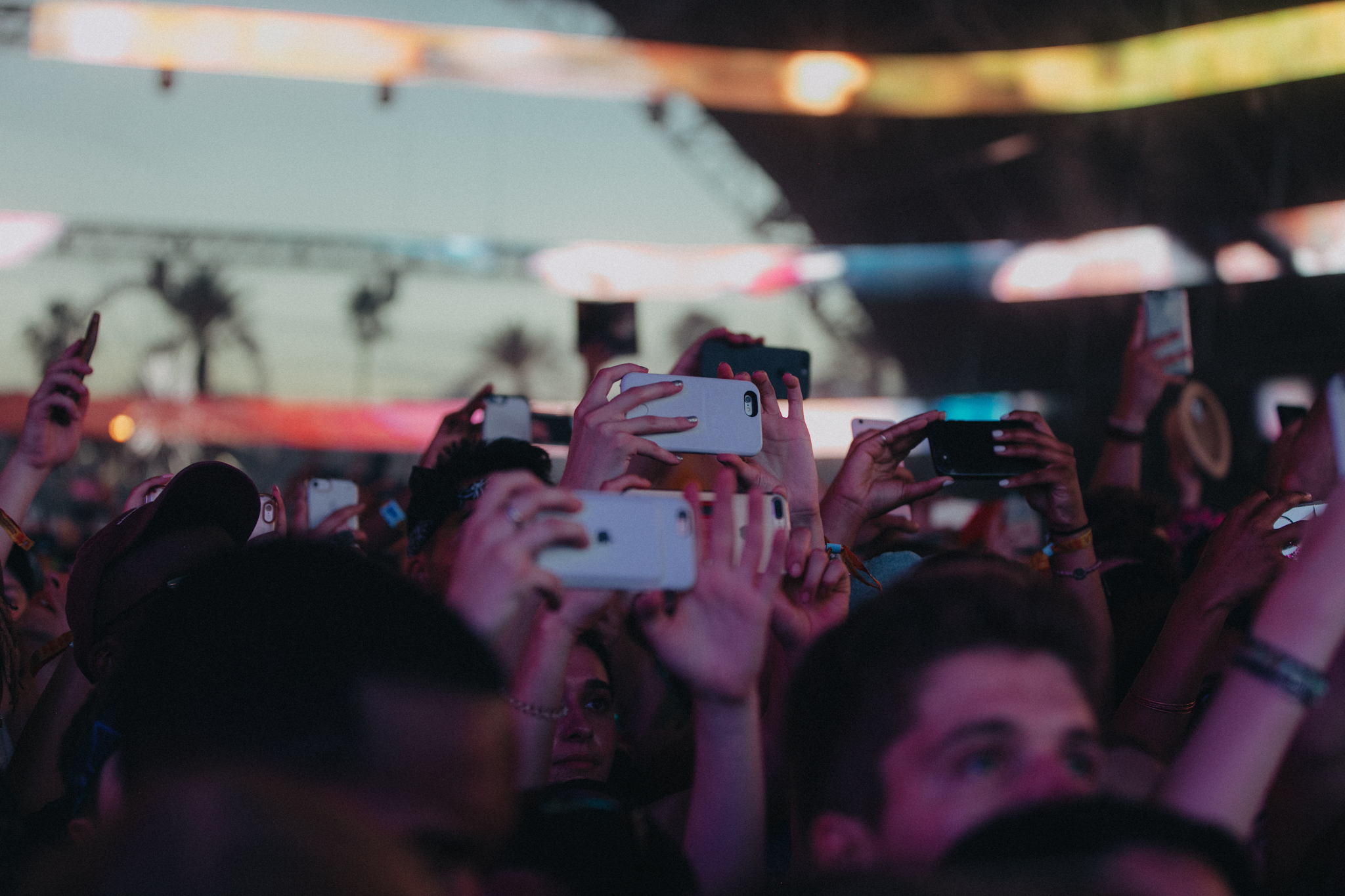
The Coachella-YouTube partnership has matured into a sophisticated multi-channel operation prioritizing viewer retention via technological flexibility. The integration of a vertical YouTube Shorts feed alongside traditional broadcasts reflects a strategic adaptation to mobile-first consumption and short-form dominance. Furthermore, the ‘multiview’ feature—enabling simultaneous streaming of four stages—addresses the opportunity cost of peak performance windows, maximizing ad-inventory utility by keeping audiences within the ecosystem during set changes.
Global synchronization is achieved by initiating the live stream at 4 p.m. PDT, capturing North American peak engagement while servicing late-night European markets. This positioning transforms Coachella from a regional event into a centralized node of the international digital attention economy.
Operational Resilience: Anyma and Technical Logistics
The rescheduling of Anyma’s performance to Friday night (April 17) underscores the volatility of desert-based logistics. Inclement weather during Weekend 1 necessitated a relocation to the Do LaB, requiring the production team to demonstrate high structural flexibility. Anyma’s subsequent midnight debut on the Coachella Stage serves as a technical milestone, utilizing specific environmental conditions essential for high-concept electronic lighting rigs.
Maintaining ten distinct stages—a ‘miniature musical city’—requires immense capital commitment. The engineering challenge lies in managing crowd flow and acoustic separation between eight main stages and two specialized sub-festivals, ensuring that the attendee experience remains premium despite the site’s density.
Demographic Pivots and Product Launch Strategies
The substitution of Kacey Musgraves for Jack White as the Saturday surprise performer on the Mojave stage signals a tactical shift in demographic targeting. While White captures legacy rock audiences, Musgraves leverages the commercial resurgence of Americana. Her set served as a high-visibility marketing engine for her album ‘Middle of Nowhere,’ featuring new tracks like ‘Back on the Wagon’ and ‘Uncertain, TX.’
Musgraves’ announcement strategy—utilizing Instagram stories to blend personal eccentricity (UFO sightings) with professional promotion—highlights a sophisticated understanding of modern celebrity branding. This synergy between narrative and performance is essential for maintaining relevance across Coachella’s diverse subcultures.
Global Market Dominance and Headliner Continuity
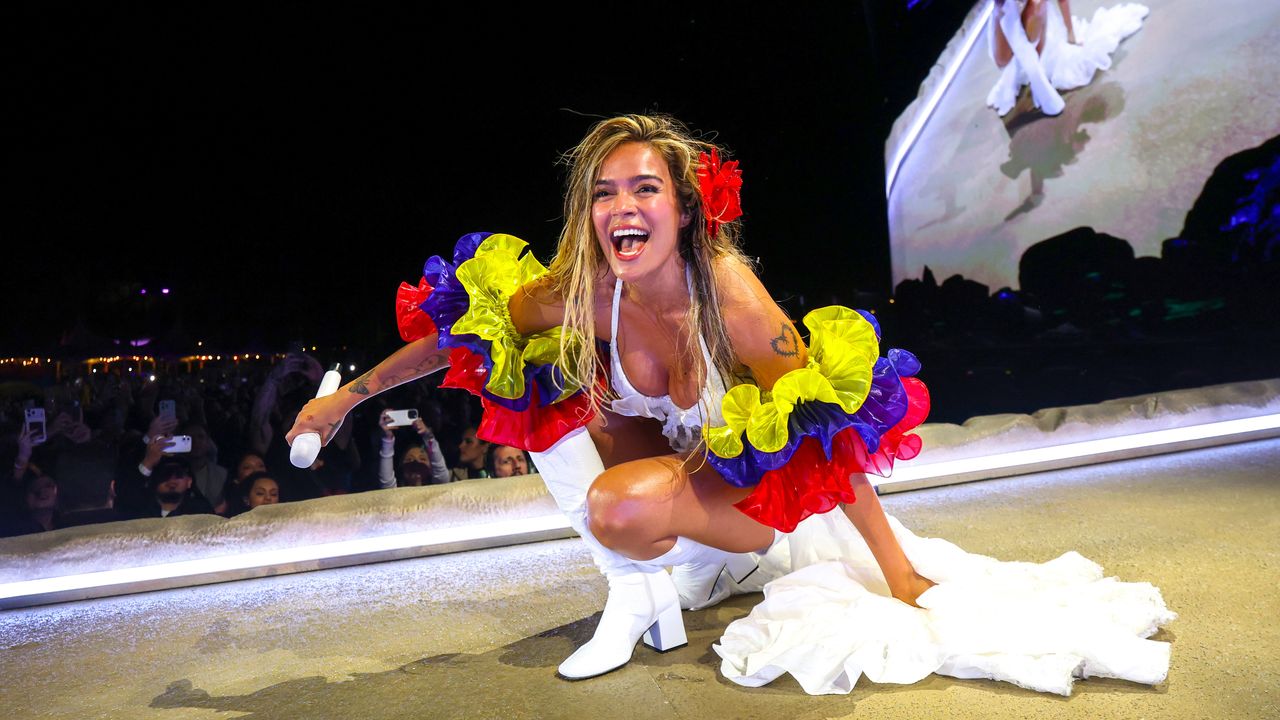
The return of Sabrina Carpenter, Justin Bieber, and Karol G as headliners emphasizes a commitment to the most commercially viable segments of the 2026 landscape: Global Pop and Latin markets. Sabrina Carpenter’s 9 p.m. slot anchors the Friday narrative, leading into Anyma’s specialized electronic set. Meanwhile, Karol G’s headliner status reflects the institutional recognition of the Latin market’s economic power, a central pillar of growth in the global live music sector.
The festival’s ability to balance legacy acts like Devo and Iggy Pop with contemporary forces like PinkPantheress demonstrates a risk-mitigation strategy through genre diversity. By sustaining this operational marathon over two weekends, Coachella reaffirms its status as the preeminent benchmark for operational excellence and strategic vision in the entertainment industry.