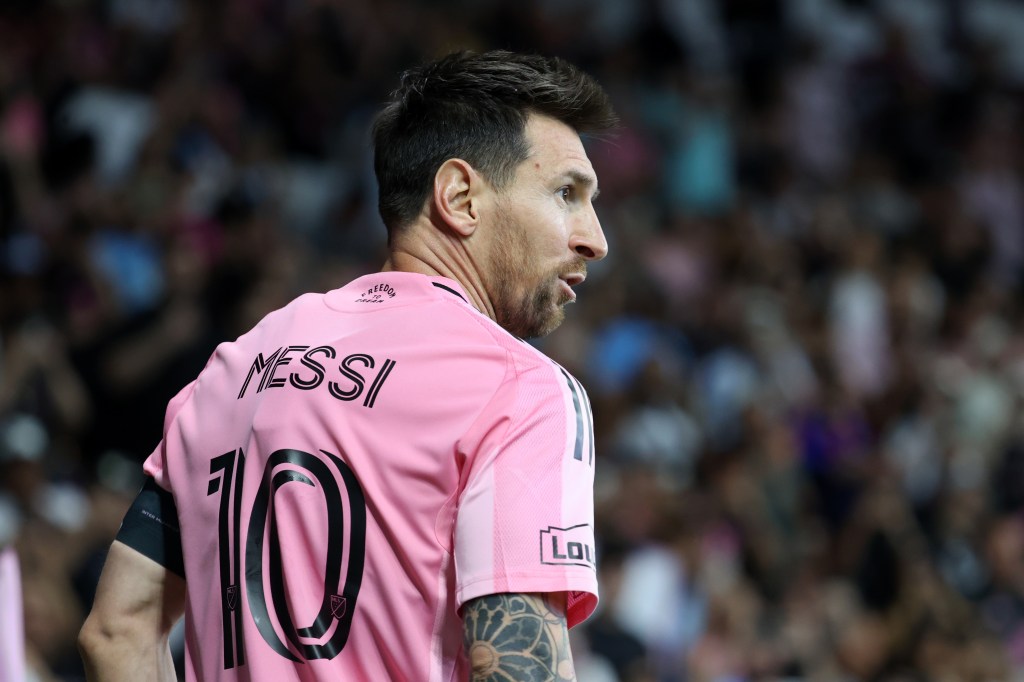
The fixture between the Colorado Rapids and Inter Miami CF at Empower Field at Mile High transcends standard regular-season competition, serving as a quantitative benchmark for the institutional maturation of Major League Soccer (MLS). By migrating the match to an NFL-capacity venue, the Rapids are not merely accommodating a global icon; they are testing the scalability of MLS commercial infrastructure. This pivot illustrates the league’s successful transition from a precarious startup model into a sophisticated entertainment asset class capable of commanding top-tier metropolitan resources.
Institutional Maturation: From Survival to the $767 Million Asset Class
Reflecting on the league’s 1996 genesis, club legend Marcelo Balboa describes a volatile era defined by a centralized ownership structure and a precarious three-year trial mandate. This early instability required players to perform dual roles as athletes and grassroots ambassadors to secure a foundational audience. Today’s landscape—a 30-team league by 2025 with an average club valuation of $767 million—represents a fundamental shift in economic stability. This valuation surge, reported by Sportico, indicates the entry of institutional capital and the successful validation of the closed-league model in North American soccer.
The move from the 18,000-seat Dick’s Sporting Goods Park to a 76,000-seat NFL stadium for this fixture quantifies the ‘Messi effect’ as a catalyst for market expansion. While the Rapids drew 21,000 fans in their inaugural year, the current sell-out trajectory at Empower Field demonstrates how star-driven demand is being leveraged to stress-test regional infrastructure and maximize short-term commercial yields.
Operational Constraints: Load Management at Elevation
Fielding elite talent in Denver introduces a unique set of physiological variables, most notably the impact of mile-high elevation on recovery and athletic output. Historical data, such as David Beckham’s frequent absences from Colorado fixtures, underscores the recurring tension between commercial mandates and medical load management. For Inter Miami, the decision to deploy Lionel Messi requires a calculated risk assessment, balancing global brand obligations against the physical preservation of a high-value asset.
Strategic windows in the competitive calendar now favor high-profile participation. Inter Miami’s exit from the CONCACAF Champions Cup has significantly reduced their fixture density, allowing for a more aggressive deployment of veteran talent in domestic play. Recent training cycles and full-match appearances suggest that Miami’s technical staff is prioritizing league momentum, viewing the elevation factor as a manageable variable rather than a disqualifying constraint.
Infrastructure Integration and Cross-Institutional Synergy
The logistics of this match highlight an increasing operational convergence between MLS and the NFL. By utilizing the Denver Broncos’ ticketing and stadium management ecosystems, the Rapids are bypassing the limitations of traditional soccer-specific venues. This collaboration allows for the absorption of surplus demand while demonstrating the league’s ability to integrate with established sports infrastructure. The reliance on Broncos-specific digital platforms for ticket access serves as a case study in cross-institutional synergy for high-capacity sporting events.
Furthermore, the logistical burden on local transportation and parking infrastructure—expected to reach capacity hours before kickoff—reflects a level of crowd management typically reserved for international tournaments. The emphasis on pre-purchased permits and rideshare protocols indicates a professionalization of matchday operations designed to meet the expectations of high-net-worth stakeholders and a global broadcast audience.
Competitive Narrative and the 30th Anniversary Validation
For the Colorado Rapids, the 30th Anniversary match acts as a validation of their historical longevity. Transitioning from existential uncertainty in the late 90s to hosting the world’s most visible player signifies the club’s arrival as a permanent fixture in the Denver sports hierarchy. The involvement of UCHealth as a presenting sponsor further illustrates the localized corporate support necessary to sustain the league’s capital-intensive growth model.
On the pitch, the ‘determined’ stance of the Rapids’ roster suggests a tactical intent to utilize the global spotlight to reset the club’s competitive identity. Facing the 2025 MLS Cup favorites provides a high-stakes environment where a positive result can be leveraged for brand equity. This intersection of history and modern star power creates a high-pressure atmosphere that serves as a litmus test for the club’s technical and commercial ambitions.
Conclusion: The Sunset of the Startup Era
The transition from the 1996 debut at Mile High Stadium to the 2025 Empower Field fixture marks the definitive conclusion of the ‘startup’ phase for MLS. Success is no longer measured by survival, but by club valuations, global media rights, and the ability to attract elite talent. The journey from a ten-team experimental league to a 30-team powerhouse reflects a broader professionalization of the sport in the United States.
As average club valuations approach the billion-dollar threshold, the operational lessons learned from ‘eventized’ fixtures like this will become the new industry standard. The integration of global icons and the utilization of NFL-scale infrastructure are now core competencies for any modern MLS franchise. Saturday’s match is more than a celebration; it is a blueprint for the league’s economic trajectory over the coming decades.