The implementation of a systemic naval blockade in the Strait of Hormuz represents a fundamental doctrinal shift in United States Middle Eastern policy. By moving beyond localized kinetic engagements toward a comprehensive interdiction of maritime commerce, Washington is weaponizing the ‘command of the commons’ to compel Iranian geopolitical concessions through structural economic attrition.
This strategic pivot identifies petroleum revenue as the center of gravity for Tehran’s regional proxy network. Admiral Brad Cooper, commander of U.S. Central Command, has indicated that the operation is now functionally mature, resulting in a precipitous decline in Iranian exports and necessitating a total recalibration of regional energy security dynamics.
Force Posture and Readiness Constraints
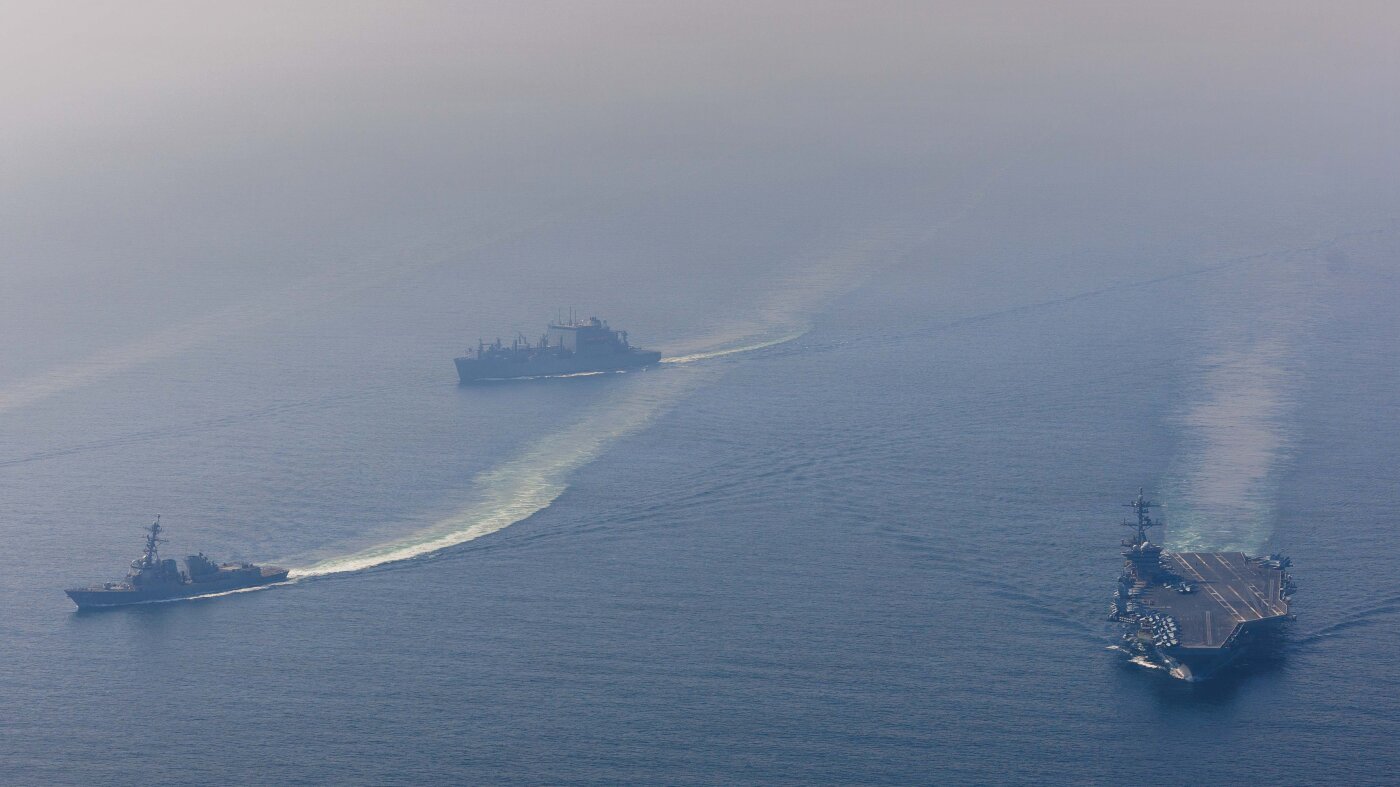
The sustainability of a continuous maritime blockade is contingent upon the Navy’s Global Force Management Allocation Plan. Maintaining a persistent presence in the Persian Gulf demands a high operational tempo that stresses hulls, personnel, and logistics. Historical data suggests that blockades face diminishing returns as targets pivot toward illicit transshipment and alternative land-based corridors.
Compounding these logistical pressures is the recent fire aboard the USS Dwight D. Eisenhower at Norfolk Naval Shipyard. While the vessel was in maintenance, such incidents disrupt the carrier strike group (CSG) rotation cycle. The resulting ‘readiness gap’ forces a reliance on smaller surface combatants, potentially diluting the blockade’s deterrent effect and highlighting the fragility of a strategy dependent on high-intensity patrolling.
The Mechanics of Maritime Interdiction
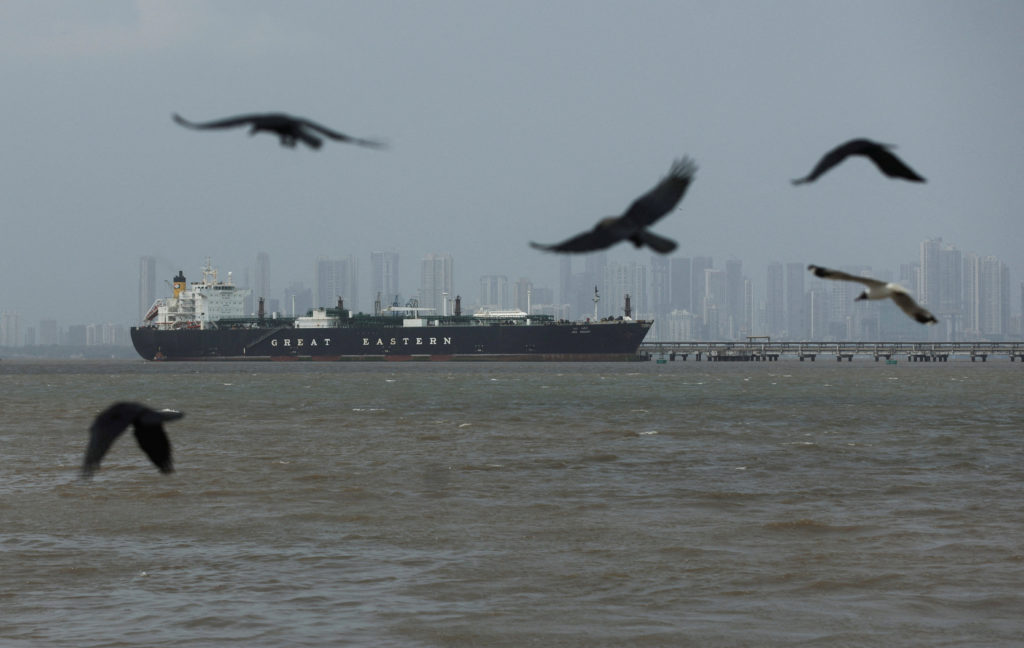
The blockade functions by increasing the ‘friction’ of Iranian maritime trade. Beyond physical seizures, the U.S. presence escalates insurance premiums and risk assessments, effectively pricing Iranian crude out of the global market. Shipping data indicates a sharp increase in ‘U-turns’ and vessel idling near the chokepoint, suggesting that the psychological deterrent of the Fifth Fleet is currently at its zenith.
However, this strategy creates supply-side shocks. The exclusion of Iranian barrels introduces volatility into energy markets, forcing global stakeholders to balance the objectives of regional containment against the necessity of global price stability. Washington’s gamble is that the depletion of Iran’s foreign exchange reserves will outpace the global tolerance for increased shipping costs.
Electronic Warfare and the ‘Dark Fleet’
Enforcement is increasingly contested in the electromagnetic spectrum. Iranian operators are utilizing sophisticated Automatic Identification System (AIS) spoofing and ‘dark fleet’ tactics—using uninsured, aging tankers with obscured ownership—to bypass surveillance. This necessitates a fusion of signals intelligence (SIGINT) and satellite imagery to maintain the integrity of the interdiction regime.
The ability of the U.S. Navy to decode these deceptive practices is the blockade’s technological linchpin. Any perceived failure to monitor illicit transfers not only provides a financial lifeline to Tehran but also erodes the perceived dominance of U.S. maritime surveillance capabilities.
Legal Classification: Blockade vs. Quarantine
A critical institutional debate involves the legal nomenclature of the operation. Scholars like Bryan Clark of the Hudson Institute suggest the action mirrors a ‘naval quarantine’ rather than a traditional blockade. Under international law, a blockade is typically an act of war; a quarantine is a targeted interdiction of specific contraband.
By maintaining this distinction, the U.S. seeks to minimize regional escalation and preserve the support of international partners. The Navy has been careful to allow freedom of navigation for non-Iranian traffic, a selective enforcement strategy designed to isolate the target while mitigating collateral damage to the broader global economy.
Diplomatic Mediations and the Ceasefire Nexus
The blockade serves as a coercive backdrop to ongoing diplomacy, notably the recent Pakistani delegation’s arrival in Tehran. These negotiations are a race against the clock, as the current ceasefire’s expiration looms. The blockade is intended to function as leverage, ensuring that any new agreement reflects Washington’s terms by demonstrating the cost of continued non-compliance.
The success of these talks depends on the perceived permanence of the naval pressure. If Tehran believes it can circumvent the interdiction via the ‘dark fleet’ or electronic spoofing, its incentive for diplomatic compromise remains low. Conversely, a watertight blockade may force a strategic pivot in Iranian foreign policy.
Conclusion: The Future of Maritime Statecraft
The Strait of Hormuz operation is a test case for 21st-century maritime statecraft. It integrates military presence, electronic warfare, and economic coercion into a single strategic vector. While the immediate operational impact is significant, the long-term success of the blockade will be determined by the U.S. industrial base’s ability to support the fleet and the Navy’s capacity to outpace Iranian technological evasion.