The Tactical Calculus of a Three-Goal Deficit
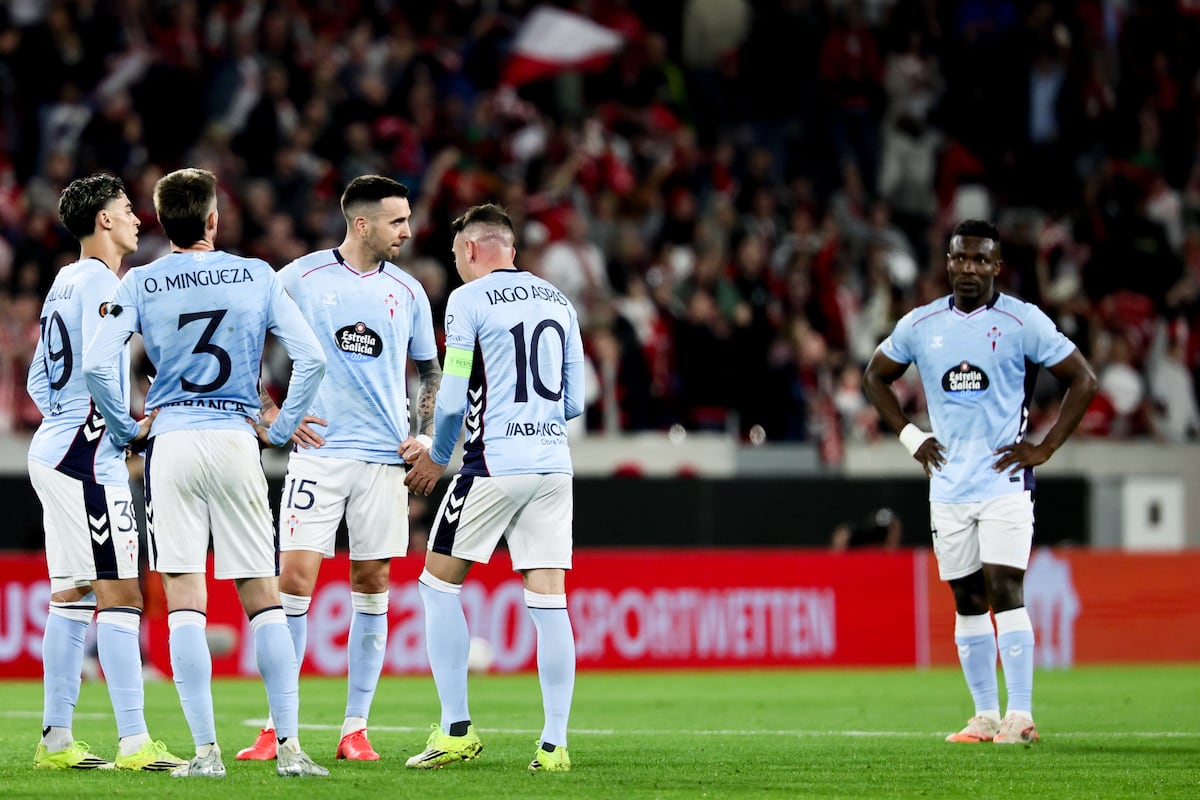
Celta de Vigo enters the Europa League quarter-final second leg facing a structural disadvantage that necessitates a total recalibration of their competitive model. The 3-0 aggregate deficit forces Claudio Giráldez to pivot from standard game management toward high-leverage offensive aggression. This tactical shift increases defensive exposure, transforming the match into a stress test of the club’s institutional resilience and its ability to execute under extreme pressure.
To force extra time, Celta must implement a high-intensity press from the opening whistle, seeking to destabilize SC Freiburg’s defensive block before it can settle into a low-block configuration. For Giráldez, the operational challenge lies in balancing the urgency for early goals against the catastrophic risk of a single away goal. This tactical tightrope defines the current reality for the Galician side as they attempt to replicate historical anomalies on the continental stage.
Institutional Memory: The 2000 Benchmark
The invocation of the ‘Spirit of 2000’ functions as a psychological lever to bridge the gap between contemporary performance metrics and the club’s historical peaks. By referencing figures like Alexander Mostovoi and the 4-0 victory over Juventus, the administration is institutionalizing a culture of belief. This strategic use of historical precedent aims to galvanize the squad and the fan base, creating an environment of maximum emotional intensity at Balaídos.
This reliance on narrative serves a dual purpose: it maximizes home-field advantage and re-establishes Celta’s identity as a European contender after nearly a decade of continental absence. The ‘miracle of 2000’ provides a blueprint for dismantling elite opposition through collective effort and tactical precision. In 2024, the current squad must channel this legacy not as nostalgia, but as a functional tool to mitigate the psychological weight of their first-leg shortfall.
Fiscal and Strategic Implications of Advancement
Progressing to the semi-finals carries substantial financial implications that would recalibrate Celta’s fiscal trajectory for the 2024-2025 cycle. UEFA’s prize distribution for semi-finalists offers a direct capital injection critical for clubs operating outside the Champions League revenue tier. This liquidity is essential for managing debt, infrastructure funding at Balaídos, and enhancing the club’s global scouting network.
Beyond immediate prize money, a deep European run maximizes the club’s share of the UEFA market pool, providing a rare opportunity to capture broadcast revenue typically dominated by domestic giants. Commercial leverage gained from reaching the final four would also strengthen the club’s position in negotiations with global sponsors. Conversely, an exit—while mathematically expected—would necessitate a more conservative approach to squad building and capital expenditure in the near term.
Operational Pressures and Social Capital
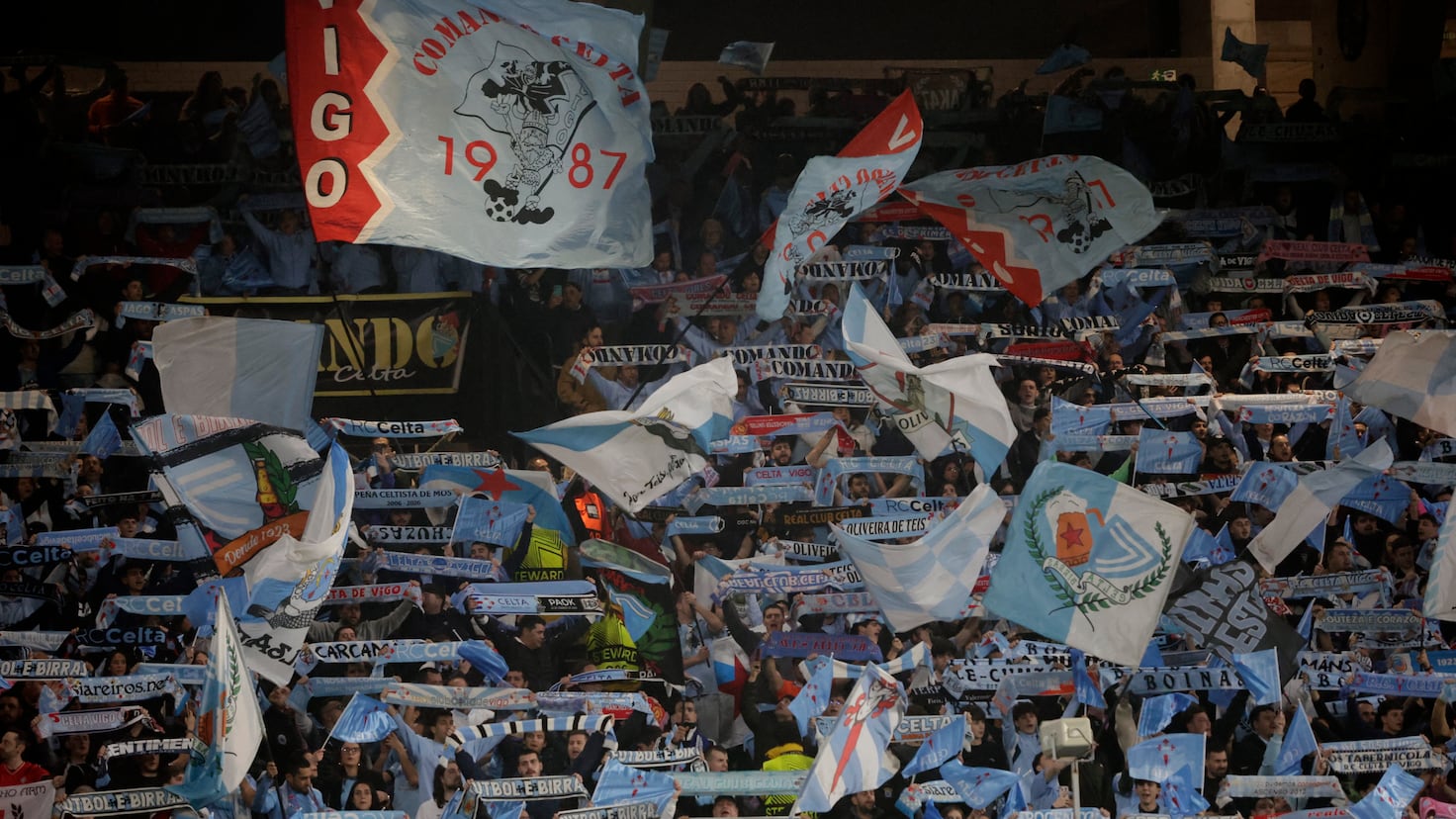
The ‘Eu creo no Celta’ campaign represents a sophisticated mobilization of social capital designed to create a hostile environment for the Bundesliga visitors. This grassroots movement is an operational asset that Giráldez intends to weaponize. The psychological impact of a unified home crowd can induce communication breakdowns in the opposition’s defensive coordination, particularly during the critical opening 20 minutes.
SC Freiburg, despite their disciplined structure, will face a test of emotional intelligence. The 18:45 kickoff is strategically significant, requiring the local community to synchronize their professional schedules with the club’s competitive mission. This engagement level is a key metric for brand health, signaling a loyal consumer base to potential commercial partners and proving the club’s digital and physical reach.
Long-Term Squad Dynamics and Media Exposure
Regardless of the final score, competing in a high-stakes European quarter-final accelerates the professional development of Celta’s younger talents. Exposure to this level of tactical complexity is a vital component of squad maturation. Individual performances will directly influence market valuations and the club’s leverage in upcoming contract negotiations. A strong performance validates Giráldez’s high-risk methodology, even if the aggregate score remains insurmountable.
Finally, the broadcast on Movistar Plus ensures maximum brand visibility across Europe. This exposure is central to Celta’s internationalization strategy, showcasing the club to global investors. The digital footprint—driven by real-time updates and social engagement—provides the club with actionable data to refine future marketing. The synergy between on-pitch performance and media ecosystem support is what sustains the club’s long-term commercial objectives.