The conclusion of the 2025-26 NBA regular season has formally established the lottery order, marking the culmination of a strategic competitive cycle focused on maximizing draft positioning. With standings finalized, the intricate distribution of lottery odds now dictates the immediate future of several franchises, underscoring the high stakes involved in securing a transformational talent from the 2026 class.
I. The Top Tier: Maximizing Probability (14% Odds)
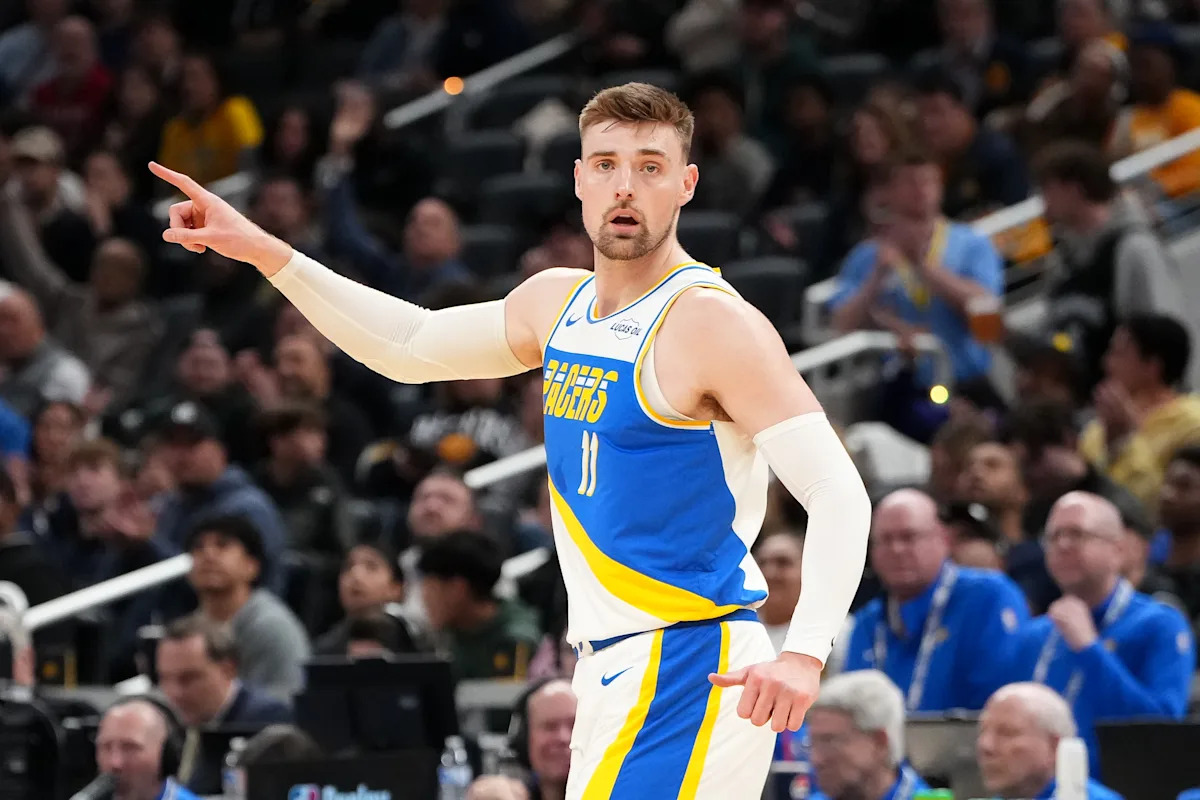
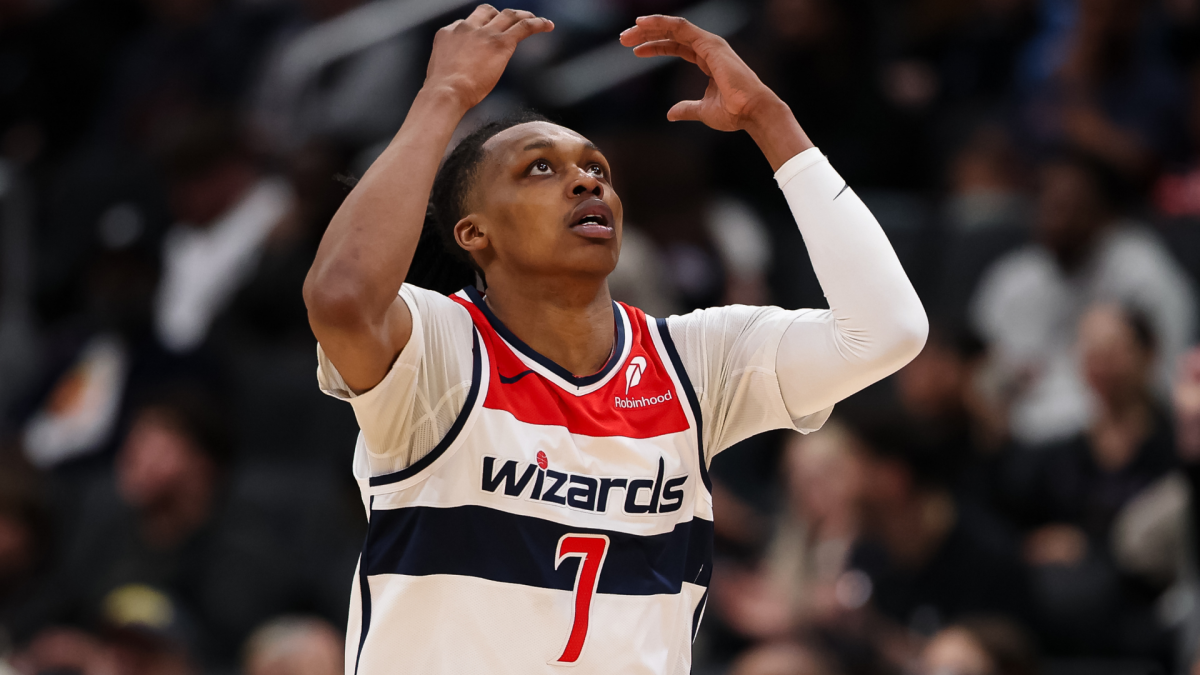
The Washington Wizards (17-65), Indiana Pacers, and Brooklyn Nets have strategically positioned themselves in the top tier, each commanding a maximum 14% probability for the #1 overall pick. This flattened odds structure, designed to disincentivize extreme ‘tanking,’ ensures that the three teams with the worst records share identical primary advantages. For these franchises, securing one of the consensus top prospects could fundamentally accelerate their respective rebuilding timelines.
The Washington Wizards’ league-worst record guarantees they will pick no lower than fifth overall, providing a crucial floor for their talent acquisition efforts. This positioning is a structural necessity for a franchise that concluded the season with a ten-game losing streak, reflecting an urgent need for foundational talent.
The Indiana Pacers and Brooklyn Nets, despite slightly better win-loss totals, achieved this top-tier alignment through concerted late-season performance, creating a high-stakes environment where the difference between a franchise-altering first pick and a fifth pick hinges on the lottery drawing’s volatility on May 10.
II. Critical Asset Protections: High-Stakes Risk Mitigation
Strategic positioning in the 2026 lottery is profoundly complicated by pre-existing trade obligations that introduce significant risk for franchises holding high-lottery slots:
- Washington Wizards: The Wizards face an acutely precarious scenario: their first-round selection is only protected if it falls within the top-8. A slide to the 9th position or lower would trigger an immediate transfer of the asset to the New York Knicks, representing a complete forfeiture of Washington’s primary draft capital. This top-8 protection creates a razor-thin margin, transforming their 14% #1 odds into a high-risk, high-reward proposition where the ‘expected value’ of their pick is significantly diluted by the potential for total loss.
- Indiana Pacers: The Pacers operate under an even more stringent protection threshold: their pick is secured only within the top-4. Should the lottery drawing place Indiana’s selection at 5th or 6th, the rights to that pick would convey to the Los Angeles Clippers. This narrow window amplifies the lottery’s volatility for Indiana, potentially stripping them of a high-value asset and necessitating a drastic re-evaluation of their offseason strategic priorities.
III. The Milwaukee-New Orleans Swap: Leveraged Control
The Milwaukee Bucks, with the 10th-best odds (3% chance at #1), face a critical dynamic dictated by a pre-existing pick swap with the New Orleans Pelicans. This swap grants the Pelicans the unilateral right to exchange their own first-round selection for Milwaukee’s, should the latter be higher. This mechanism significantly reduces the Bucks’ agency over their draft fate; even if Milwaukee’s ping-pong balls yield a favorable outcome, New Orleans can exercise this leverage to claim the superior asset, effectively penalizing the Bucks for their underperformance and consolidating the Pelicans’ asset base without sacrificing their own competitive standing.
The Bucks’ season, marked by persistent uncertainty, concludes with questions regarding both their roster composition and sideline leadership, awaiting the lottery outcome to clarify their immediate strategic path.
IV. Middle Lottery Dynamics & Play-In Impact
The secondary tier of the lottery introduces additional layers of complexity. The Utah Jazz and Sacramento Kings both hold 11.5% odds, representing a critical pivot point for mid-market franchises. The Jazz, in particular, must navigate a top-8 protection clause that dictates whether they retain their pick or forfeit it to a trade partner, adding administrative tension to the May 10 drawing.
Below this tier, the Memphis Grizzlies (9% odds) and Dallas Mavericks (6.7% odds) are positioned as potential disruptors. These teams represent the upper bound of the lottery pool, where a single jump into the top four could accelerate their return to championship contention or provide valuable trade capital.
The final composition of the lottery will be influenced by the outcome of the Play-In tournament. The four teams that fail to advance will join the lottery in reverse order of their regular-season records, slotting into the 11th through 14th positions and finalizing the 14-team field.
V. Downstream Effects: Trade Market, Management, and Long-Term Strategy
The finalization of these standings triggers a series of immediate and long-term institutional shifts:
- Trade Market Volatility: Confirmed lottery odds immediately re-calibrate valuations in the pre-draft trade market. Teams with high picks might consider trading down, while those facing pick conveyance (Wizards, Pacers, Jazz) may feel pressure to move the asset proactively if protection seems tenuous. Conversely, teams like the New York Knicks and Los Angeles Clippers keenly monitor results, poised to gain significant assets if lottery balls fall favorably.
- Management Stability and Accountability: The connection between lottery luck and job security is a persistent feature of the NBA ecosystem. Front offices in Washington and Indiana are under intense scrutiny to deliver a successful draft outcome, validating seasons of strategic losses. In Milwaukee, the coaching and management stability questions are amplified by their vulnerable draft position.
- Long-Term Asset Accumulation: Franchises like the Oklahoma City Thunder continue to demonstrate the benefits of aggressive asset accumulation, holding a 1.5% chance at the top pick via the Los Angeles Clippers. This marginal gain reflects a broader strategy of maintaining multiple entry points into the draft, insulating the franchise from natural competitive cycles and leveraging other teams’ struggles.
Ultimately, the 2026 NBA Draft Lottery is a structural mechanism that redistributes power and potential across the league. The results on May 10 will determine the trajectory of several franchises for the next decade, transforming strategic decisions into tangible assets or critical missed opportunities.