Reds DFA Christian Encarnacion-Strand: A Strategic Analysis of Prospect Risk and Roster Flexibility
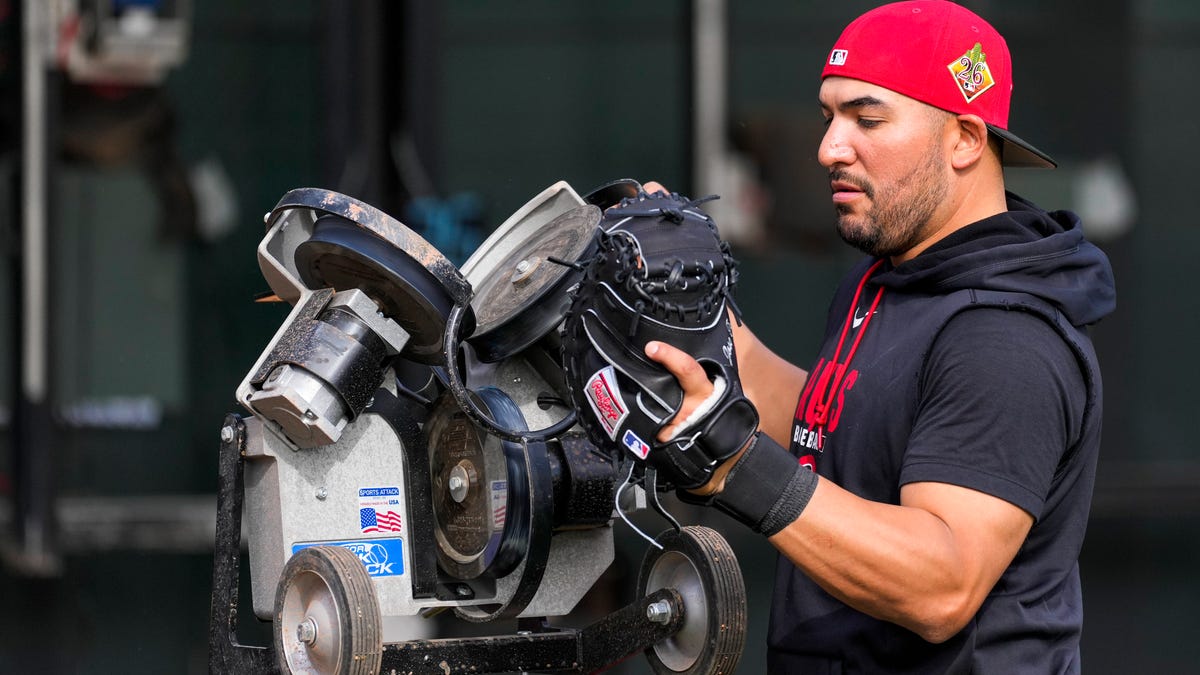
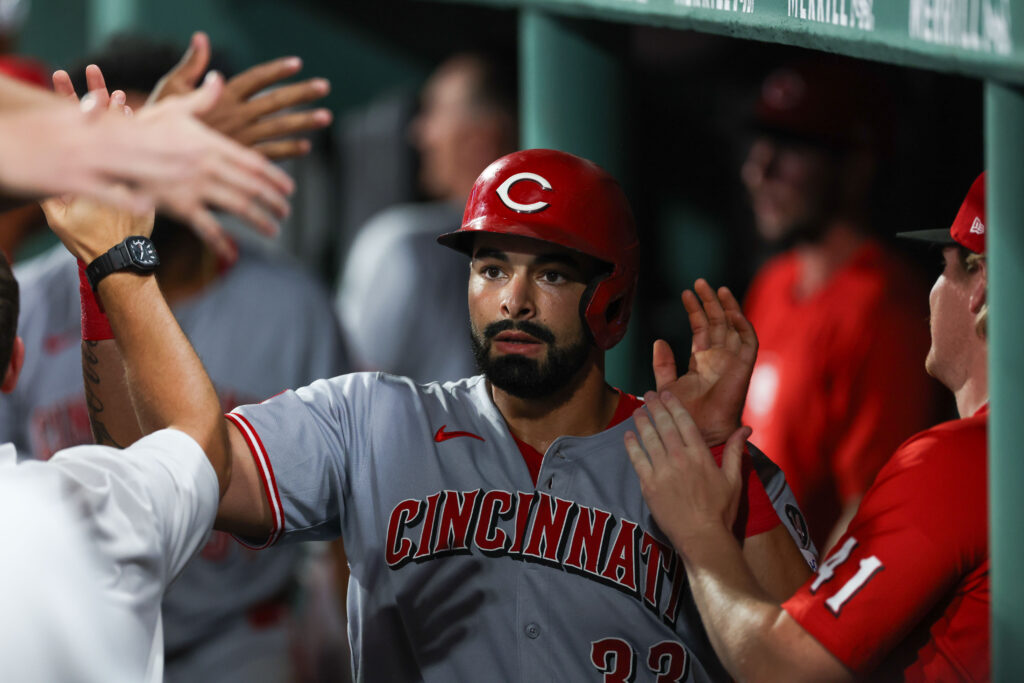
The Cincinnati Reds’ recent designation for assignment (DFA) of first baseman Christian Encarnacion-Strand, triggered by an injury to catcher Jose Trevino, offers a stark case study in the strategic complexities of major league roster management. This decision underscores the inherent high-risk nature of prospect development and the finite value of a 40-man roster spot. The choice to sacrifice Encarnacion-Strand in favor of P.J. Higgins highlights a critical shift in organizational priorities, moving from long-term investment in a struggling prospect to immediate operational flexibility.
The Roster Calculus: Prioritizing Versatility over Potential
Jose Trevino’s placement on the 10-day injured list due to a thoracic spine strain created an immediate operational gap that required a rapid response. For the Reds, the injury forced a calculation between two competing values: retaining a high-ceiling prospect who was significantly underperforming and adding a versatile utility player for short-term stability. The organization chose the latter, designating Encarnacion-Strand to free up a roster spot for Higgins. This move demonstrates a pragmatic approach to asset management, where a single-position player struggling to produce (.190 batting average) yields less value to the organization than a versatile player capable of backing up multiple positions.
Prospect Failure and Succession Planning Challenges
Christian Encarnacion-Strand’s DFA signals a significant setback in the Reds’ succession planning. Once considered the heir apparent to replace legendary first baseman Joey Votto, Encarnacion-Strand failed to transition his minor league success into consistent major league production. His struggles, including a .482 OPS during an earlier stint and a .190 average over the first six weeks of the season, reflect the challenging leap from Triple-A to the majors. The decision to cut ties with him suggests that the organization determined the opportunity cost of continued investment in his development at the major league level outweighed the potential future return, especially given the immediate need for roster optimization.
Trade Analysis: Assessing the Return on Investment
The strategic implications extend beyond the current roster, impacting the evaluation of past trades. Encarnacion-Strand was acquired by the Reds in August 2022 as part of the package for veteran pitcher Tyler Mahle. This trade was emblematic of the organization’s rebuilding strategy to exchange established assets for future potential. The DFA of Encarnacion-Strand represents an effective write-down on the value received from this transaction, diminishing the overall return on investment. While the Reds also acquired infielder Spencer Steer, who has proven valuable, the loss of Encarnacion-Strand highlights the inherent risks and high failure rate associated with prospect-based acquisitions.
The Value Proposition of Utility Players
The addition of P.J. Higgins from Triple-A Louisville provides insight into the organization’s immediate operational strategy. Higgins, described as a backup catcher capable of playing corner infield positions, offers valuable roster flexibility. In a competitive environment where a key position player like Trevino is injured, a utility player’s ability to fill multiple roles becomes strategically more valuable than a struggling single-position player like Encarnacion-Strand. This decision prioritizes immediate operational stability and versatility, demonstrating a pragmatic approach to managing contingencies during a competitive season.
Waiver Process and Competitive Implications
By placing Encarnacion-Strand on waivers, the Reds expose him to claims from other teams. This process forces organizations to make difficult decisions about asset management, risking the loss of a previously valued asset without compensation. The decision implies that the Reds believe Encarnacion-Strand’s value to the organization is less than the value of the 40-man roster spot he occupies. For Encarnacion-Strand, a new organization might view this as a potential change-of-scenery opportunity, while for the Reds, it signifies a re-evaluation of their strategic priorities, prioritizing short-term stability over long-term development of a specific player.