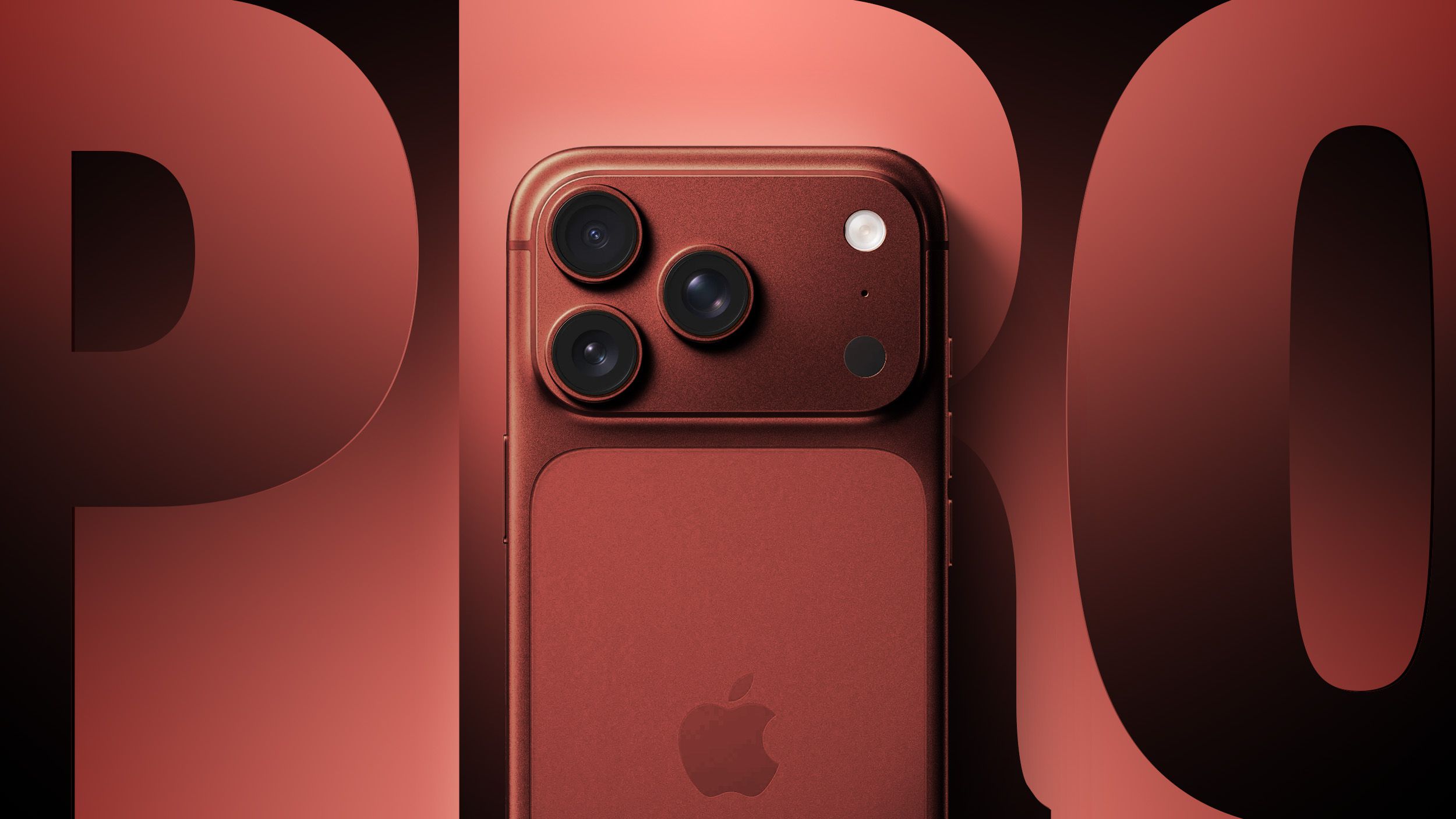
Apple’s Strategic Pivot: Incrementalism for Profitability and Pro-Model Segmentation for Value Extraction
Apple’s strategic direction for the upcoming iPhone 18 series marks a calculated shift toward market segmentation and value extraction from a mature market. The core philosophy centers on maintaining incremental updates for the high-volume standard model while concentrating technological advancements and significant design changes exclusively within the higher-margin Pro variants. This approach, exemplified by the rumored decision to retain the existing chassis design for the base model, prioritizes operational efficiency and cost control over aggressive, across-the-board innovation.
By limiting substantial design revisions on the standard iPhone 18, Apple minimizes research and development (R&D) expenditures and streamlines its supply chain. This strategic decision leverages established brand loyalty and ecosystem lock-in to sustain sales momentum for the base model. Concurrently, it creates a distinct value proposition for the premium segment, forcing consumers seeking significant upgrades—such as a smaller Dynamic Island or advanced display technology—to choose the higher-priced Pro SKUs. This segmentation strategy is crucial for increasing the average selling price (ASP) across the product portfolio in a competitive landscape.
The Pro Model as the Primary Vehicle for Innovation and Revenue Growth
The strategic importance of the iPhone 18 Pro models is amplified by the design continuity of the standard model. The Pro models are rumored to receive the majority of feature refinements, including advanced display technology and a smaller Dynamic Island achieved through a calculated shift in Face ID component placement. The rumored movement of the flood illuminator—a single Face ID component—under the screen, rather than a full under-display system, suggests a risk-averse, incremental approach to innovation. This targeted implementation allows Apple to differentiate the Pro models with a visible upgrade path without incurring the high R&D costs and manufacturing risks associated with a complete under-display solution. This strategy balances innovation with profitability, ensuring that technological advancements are monetized effectively at the premium tier.
Competitive Landscape and Market Maturity Implications
Apple’s strategy of incremental updates for the base model positions it distinctly against competitors in a mature smartphone market. While rivals like Samsung and Google push more aggressive design changes and form factor innovations, Apple relies on the strength of its ecosystem to maintain market share. The focus on efficiency for the standard model allows Apple to allocate resources toward higher-risk, potentially higher-reward projects, such as the rumored iPhone Fold, addressing emerging market segments rather than overhauling its core product line annually.
The rumored features for the iPhone 18 Pro models, such as LTPO+ displays for improved power efficiency and a variable aperture camera system, are critical for maintaining competitive parity in the premium segment. These advancements directly address key consumer demands for battery life and photographic capability, ensuring that the Pro models remain competitive against high-end offerings from rivals who are also investing heavily in these areas. The variable aperture, in particular, suggests a focus on enhancing professional-grade photography, solidifying the Pro model’s appeal to creative professionals and advanced users.
Operational Efficiencies and Supply Chain Leverage
Design continuity for the standard iPhone 18 provides significant operational advantages. By reusing existing chassis designs and display specifications, Apple leverages economies of scale in component manufacturing and simplifies logistics. This approach reduces supply chain complexity and minimizes inventory risk, enabling more precise production planning and enhanced cost control. The strategic management of feature distribution—ensuring that the smaller Dynamic Island remains exclusive to the Pro models—reinforces the premium value proposition, preventing feature dilution across the product line and protecting high-margin business.
Pre-Launch Rumor Cycle as a Strategic Positioning Tool
The pre-launch rumor cycle, as detailed in reports, serves as a critical component of Apple’s market signaling strategy. The contradictions regarding design changes and feature availability highlight the strategic importance of managing consumer expectations. By allowing rumors to circulate about potential innovations, Apple builds anticipation for the Pro models while simultaneously managing expectations for the base model. This controlled information flow prevents disappointment over the base model’s incremental nature and ensures that the narrative focuses on the premium advancements, thereby driving consumer interest toward the higher-ASP products.
Financial and Stakeholder Impact of Product Segmentation
Apple’s strategic focus on incrementalism for the standard model and concentrated innovation for the Pro model has direct financial implications. By driving consumers toward the higher-priced Pro models, Apple aims to maintain or increase its average selling price (ASP), which is a critical metric for revenue growth in a saturated market. This strategy directly impacts investor confidence and stock performance, demonstrating Apple’s ability to extract value from its existing customer base through calculated product differentiation. The rumored features for the Pro models, such as the LTPO+ displays, are designed to enhance user experience and justify the premium price point, further solidifying the financial viability of this segmentation strategy.