Operational Challenges of Weather-Induced Scheduling
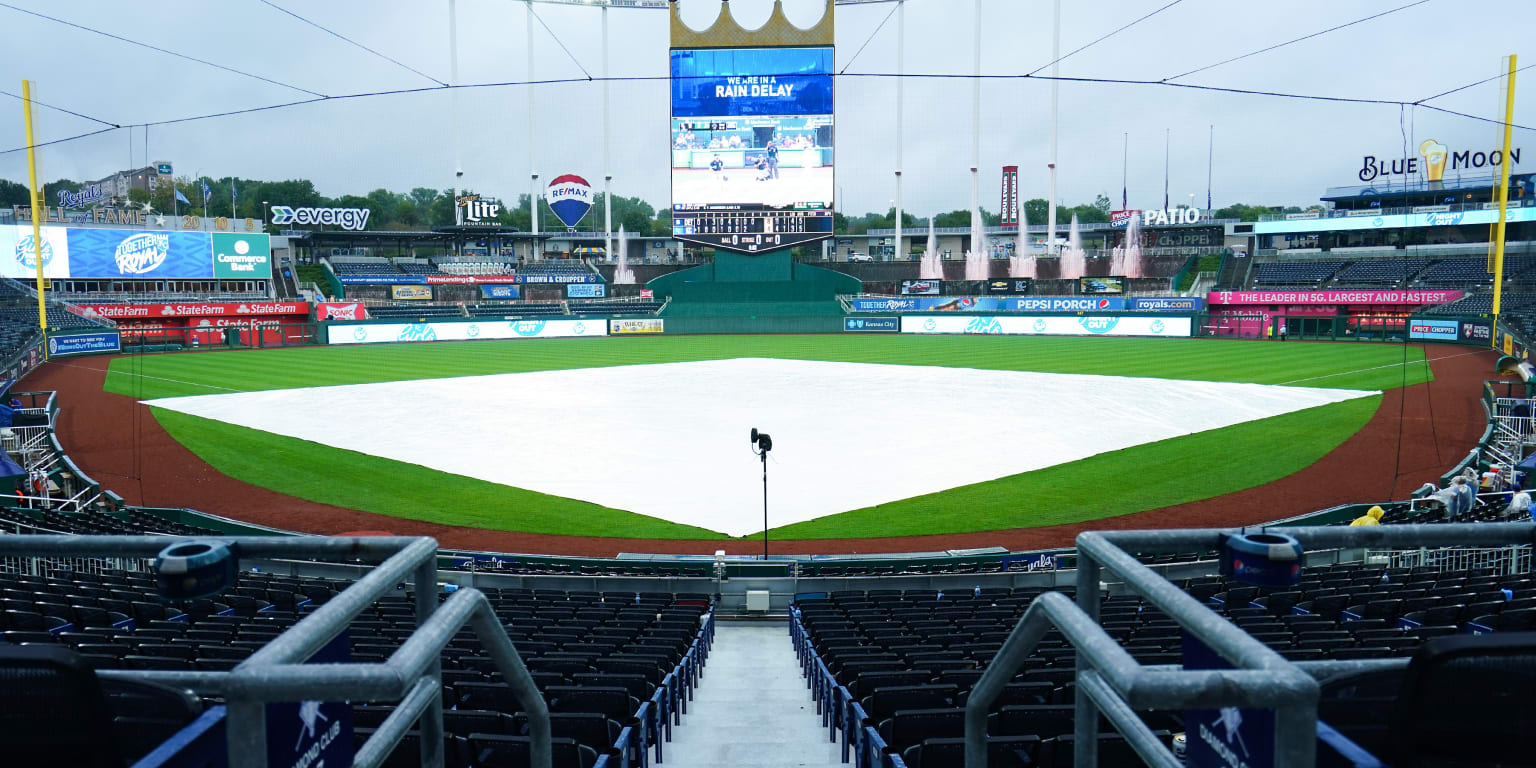
The postponement of the Kansas City Royals and Milwaukee Brewers series opener on Friday, April 3, 2026, due to inclement weather, provides a case study in the volatility of outdoor professional sports management. The subsequent transition to a split doubleheader on Saturday, April 4, compelled both organizations to execute rapid logistical pivots, affecting everything from personnel deployment to revenue preservation.
Roster Management and Pitching Depth
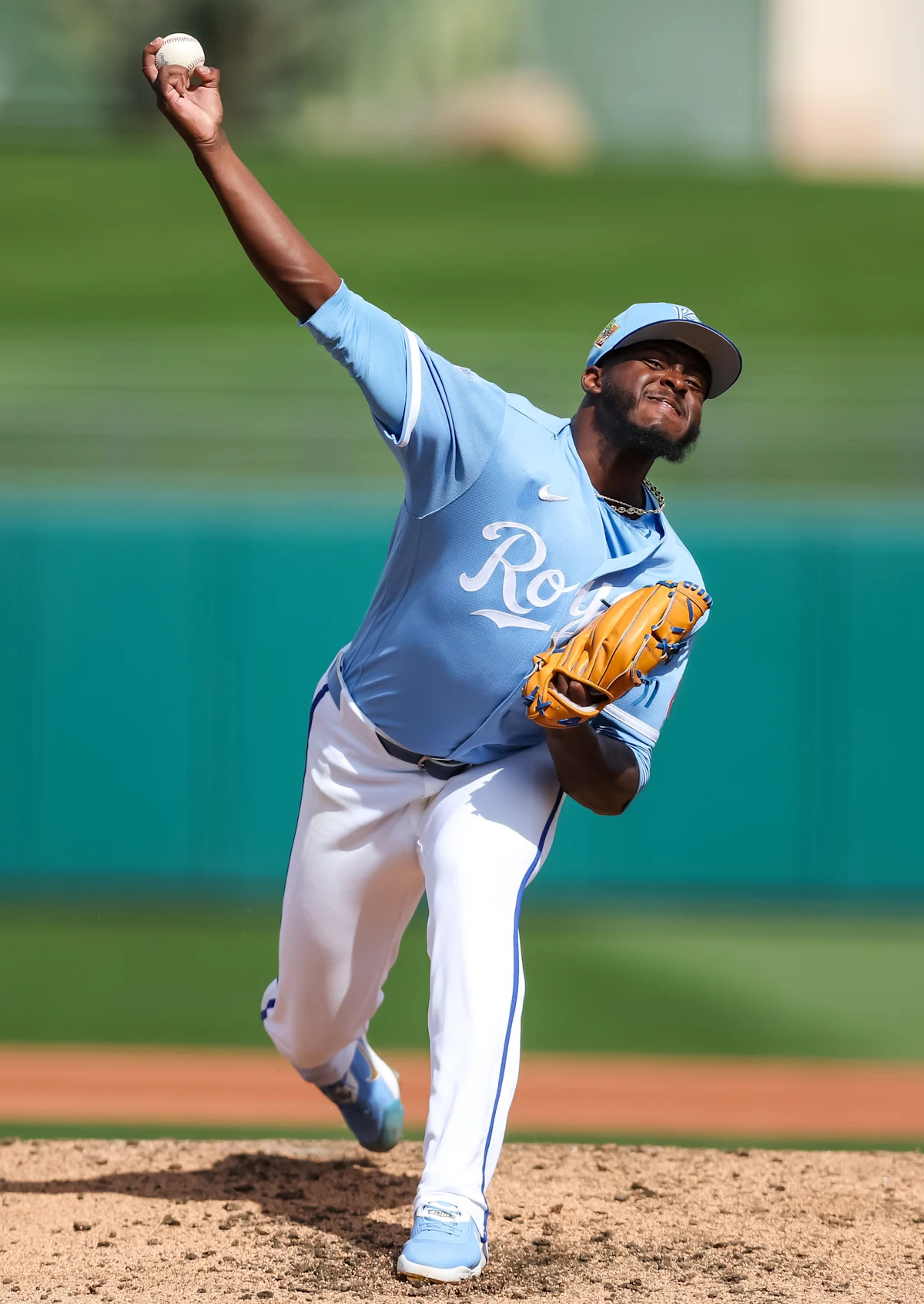
Weather-induced rescheduling forces immediate, high-stakes personnel decisions. The Royals’ reliance on prospect Luinder Avila—recalled from Triple-A Omaha—to start in place of an ill Michael Wacha illustrates the critical role of organizational depth. Avila, moving from a successful relief role (1.49 ERA in the prior season) to a starting assignment, highlights how teams leverage high-ceiling prospects to mitigate roster instability.
Conversely, the Brewers’ deployment of Chad Patrick for his second start of the season underscores the competitive pressure on secondary rotation pieces. A compressed two-game schedule narrows the margin for error, placing significant strain on bullpens and necessitating precise, real-time adjustments to pitching management.
Economic and Fan Engagement Strategies
To preserve consumer trust, the Royals honored Friday’s tickets for the Saturday evening matchup. This frictionless policy prevents the administrative burden of refunds, ensuring revenue stability and maintaining attendee volume. By bundling the rescheduled game with existing promotional events—such as World Baseball Classic recognition and fireworks displays—the franchise effectively consolidated value, mitigating the risk of perceived dissatisfaction caused by the scheduling shift.
Institutional Coordination and Digital Broadcast Logistics
The transition to a split doubleheader requires rigorous backend coordination for platforms like Royals.TV and Brewers.TV. As franchises shift toward direct-to-consumer digital models, the ability of regional networks to handle compressed, high-traffic broadcast timelines without service degradation has become a hallmark of operational efficiency. This digital infrastructure enables centralized, real-time communication, reducing the informational asymmetry often inherent in weather-related delays.
Systemic Pressures and Competitive Equilibrium
While scouting and tactical preparation are constants, the physical environment remains an uncontrollable variable that disrupts the rhythm of a 162-game season. The integration of a rookie starter like Avila is more than a reactionary move; it provides high-leverage data on prospect readiness that influences future 2026 roster composition. Ultimately, the ability of these franchises to absorb such shocks through flexible ticketing, strategic staffing, and logistical agility ensures the continuity of the competitive season and the preservation of long-term economic objectives.