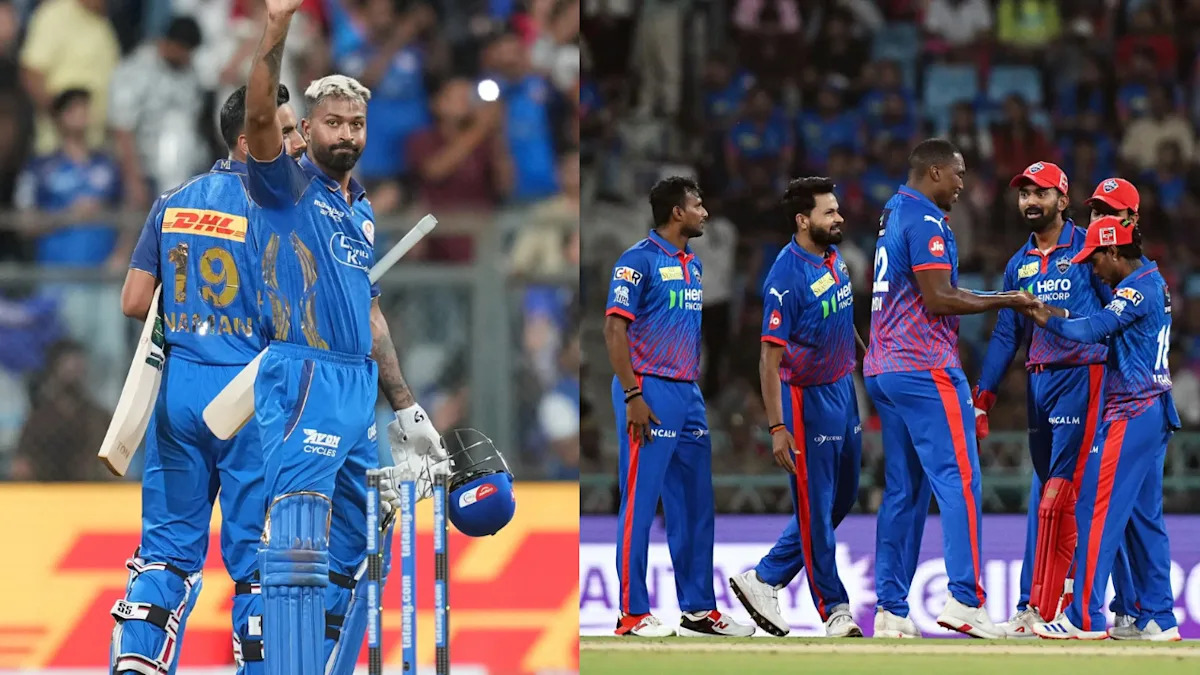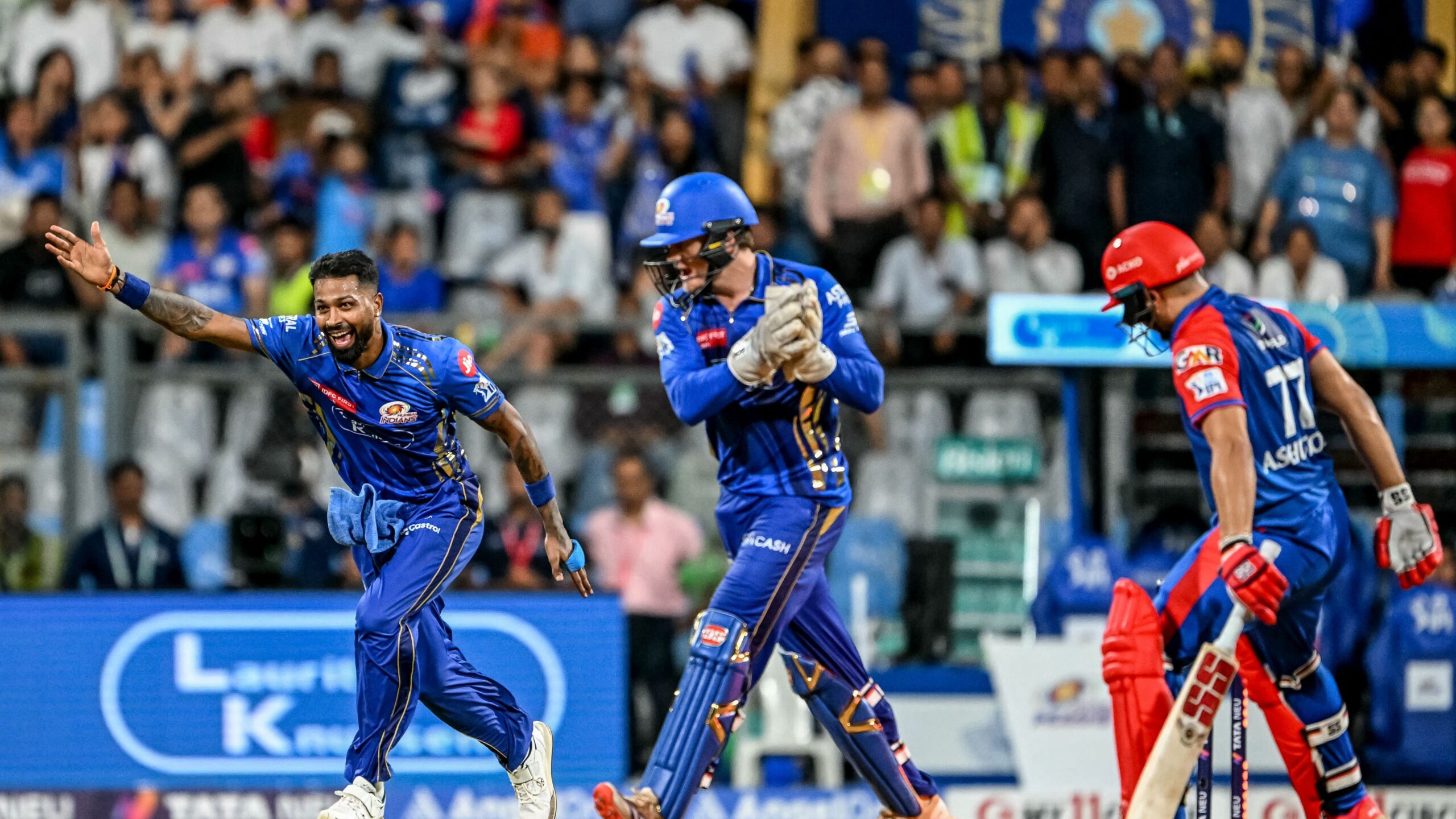
The IPL 2026 fixture between Mumbai Indians (MI) and Delhi Capitals (DC) at the Arun Jaitley Stadium signifies a vital shift in competitive trajectories. MI enters the contest having inverted their historical trend of sluggish starts, leveraging a high-confidence roster to secure record-breaking chases. However, the integration of Mitchell Santner represents a calculated move to address a lingering structural deficit: middle-over run-rate volatility. Santner’s return from a personal hiatus provides a force-multiplying asset, offering defensive control on a surface where the margin for bowling error is notoriously slim.
Tactical Stabilization and Bowling Economy
Santner’s immediate inclusion in the XI for this afternoon fixture prioritizes restrictive precision over raw velocity. During MI’s opening phase, the absence of a specialized containment spinner allowed opponents to exploit the middle overs, maintaining scoring rates that threatened even their potent batting depth. Santner’s profile allows Captain Hardik Pandya to optimize the workloads of his four World Cup-winning Indian pacers, shifting the burden of containment to a high-ceiling defensive specialist. This rotation ensures that MI’s pace attack remains fresh for high-leverage death-over sequences.
Delhi’s Defensive Architecture: The Spin Trap
Delhi Capitals’ strategy centers on a low-variance defensive blueprint led by Axar Patel and Kuldeep Yadav. In a venue defined by short boundaries, DC utilizes spin not merely as a wicket-taking tool, but as a mechanism for spatial control. Patel’s leadership involves orchestrating field placements that mitigate the stadium’s dimensions, forcing MI’s aggressive middle order into high-risk stroke play. This tactical reliance on spin serves as a response to the season’s trend of 200-plus totals, where traditional pace units have frequently been neutralized by batting-friendly conditions.
Top-Order Integrity and Recovery Mechanics
A persistent vulnerability for Delhi remains the structural consistency of their top-order batting. Previous collapses necessitated a rescue operation from Sameer Rizvi, a strategy that is statistically unsustainable against a high-tier MI bowling unit. The inclusion of KL Rahul is intended to anchor the innings, providing the stability required for Tristan Stubbs and Nitish Rana to execute their natural high-strike-rate roles. If the top order survives the powerplay, DC’s finishing prowess becomes a viable counter-offensive to MI’s momentum.
Environmental Factors and Global Footprint
The transition to an afternoon schedule introduces critical environmental variables. Unlike evening matches where dew facilitates second-innings batting, the heat at Arun Jaitley Stadium typically causes the pitch to grip, favoring DC’s spin-centric attack. This shift forces MI to adapt their aggressive philosophy to a more disciplined, wear-conscious approach. Commercially, the clash leverages the IPL’s massive global reach, with broadcasting via Sky Sports, Fubo, and Kayo Sports reinforcing the league’s position as a dominant force in the international sports economy.
Strategic Implications
The outcome of this match will serve as a bellwether for the season’s hierarchy. A Mumbai victory would validate their evolution into a strategically balanced powerhouse capable of winning outside their traditional pace-heavy comfort zone. Conversely, a Delhi win would solidify the effectiveness of venue-specific defensive strategies. For both franchises, the ability to execute these specialized tactical blueprints remains the primary driver of success in an increasingly sophisticated league landscape.