WTA Charleston 2026: Unpacking Strategic Shifts on the Clay Courts
The WTA Charleston tournament in April 2026, strategically positioned as an early clay-court season event, offered crucial insights into player adaptation, competitive hierarchy, and the evolving strategic landscape of the professional circuit. Key performances and notable upsets provide a granular view of athlete strategies and the broader operational dynamics within the Women’s Tennis Association (WTA).
Keys’ Clay-Court Dominance and Strategic Consistency
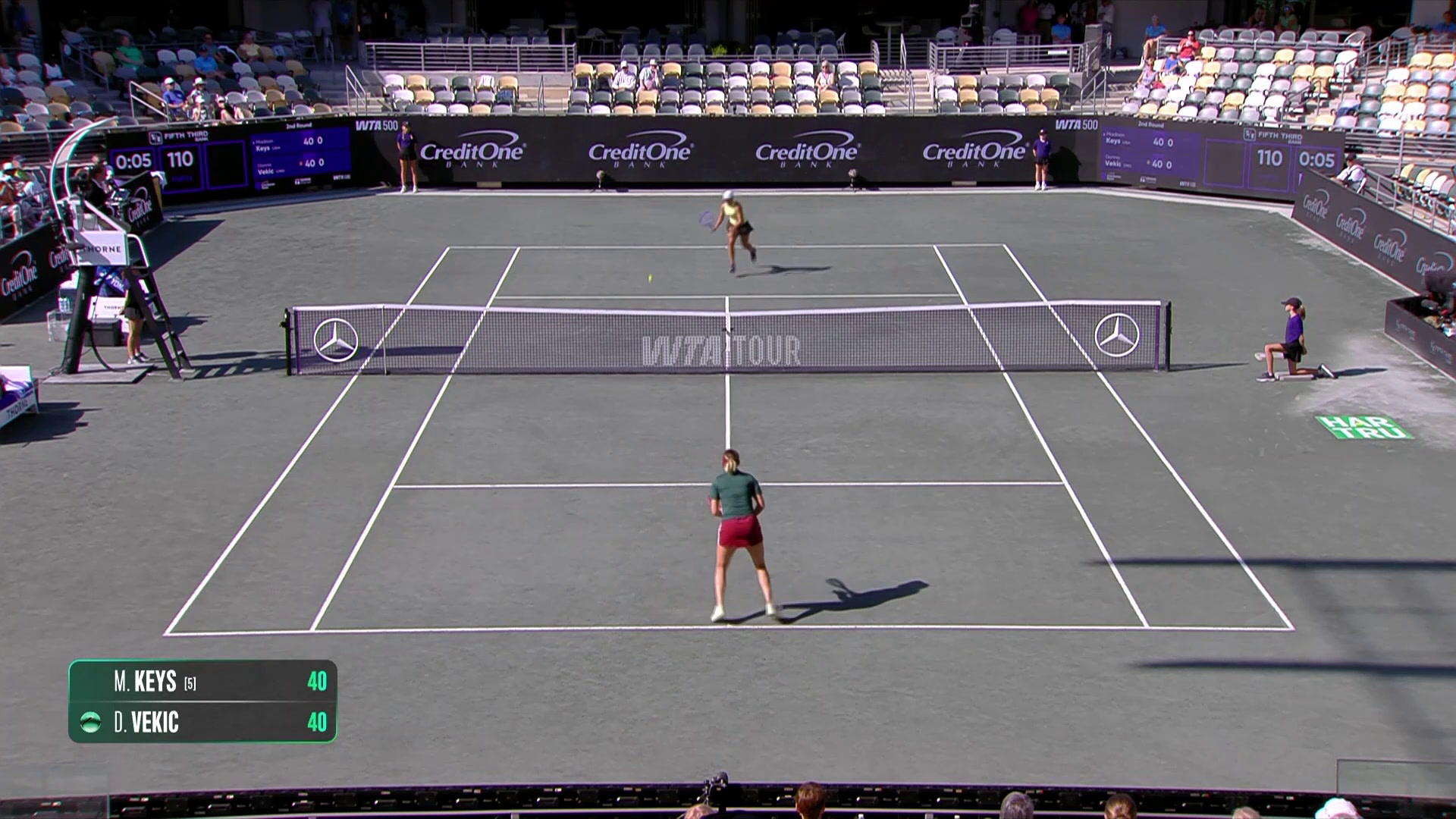
Madison Keys’ consistent advancement to a sixth career Charleston quarterfinal exemplifies the strategic value of sustained excellence and surface specialization. Her repeated success on green clay not only significantly enhances her individual ranking profile by securing crucial points but also establishes her as a formidable contender for subsequent European clay events, including Roland Garros. This consistent high-level performance directly influences future seeding, draw advantages, and prize money potential, solidifying her career trajectory and reinforcing the Charleston Open’s stature as a critical preparatory tournament on the WTA calendar.
Pegula’s Resilience: Adapting to Clay and Elevating Tour Dynamics
Jessica Pegula’s arduous path through Charleston, characterized by winning multiple decisive three-setters against opponents like Diana Shnaider and Elisabetta Cocciaretto, highlights the paramount importance of competitive resilience and strategic surface adaptation. Her declared focus on ‘finding her footing on clay’ underscores a deliberate shift in strategy aimed at maximizing performance across the demanding WTA Tour calendar. These hard-fought victories are not merely individual triumphs but critical demonstrations of mental fortitude and physical endurance, essential for navigating the long season and building momentum for major clay-court championships like the French Open, ultimately influencing her year-end ranking and career legacy. Such gritty performances also generate compelling narratives for media partners, driving fan engagement and commercial value.
Iva Jovic: Emerging Talent Reshaping the Competitive Landscape
The upset victory of Iva Jovic over defending finalist Sofia Kenin at WTA Charleston is a pivotal moment, signaling a dynamic shift in the WTA’s competitive hierarchy. This result not only introduces a significant new challenger but also underscores the tour’s robust talent pipeline and unpredictable nature. From a strategic perspective, such high-profile upsets are crucial for the WTA; they cultivate diverse fan interest by generating fresh narratives and ensuring continuous engagement across demographics. Commercially, the rise of new contenders like Jovic diversifies the tour’s market appeal, attracting new endorsements and expanding the base of marketable athletes, which is vital for securing corporate sponsorships and advertising revenue.
Charleston’s Strategic Role within the WTA Ecosystem
The WTA Charleston tournament’s consistent ability to attract a blend of top-tier athletes like Keys and Pegula alongside emerging talents like Jovic solidifies its strategic importance as a crucial preparatory event for the demanding European clay-court swing. Its operational excellence, encompassing sophisticated scheduling, player services, and robust media relations, is fundamental to the WTA’s broader institutional strategy. This ensures a high-quality competitive product, enhances the tour’s reputation, and fosters sustained interest from global audiences and commercial partners. The continuous generation of ‘News,’ ‘Interviews,’ and ‘Match highlights’—leveraged across platforms like Tennis Channel—forms a multi-platform content strategy designed to maximize reach, engagement, and advertising revenue. This media infrastructure, coupled with the WTA’s comprehensive organizational framework (including rankings, calendar, and performance health initiatives), underscores the commercial model supporting professional tennis. The availability of real-time data, ‘Live Scores,’ and ‘Where to Watch’ options further demonstrates a commitment to accessibility and fan engagement, despite challenges like ‘H2H | SCRAPE_FAILED’, which highlight the critical need for robust data infrastructure in sports analysis and betting markets.
Ultimately, the outcomes at WTA Charleston 2026 are not merely isolated match results but integral data points within a complex, interconnected ecosystem. They vividly illustrate the ongoing competitive intensity, evolving player strategies, and commercial imperatives that collectively drive professional women’s tennis, fundamentally shaping its present landscape and future trajectory across athletic and business dimensions.