Franchise Expansion Signals Strategic Pivot for Streaming and Broadcast Partners
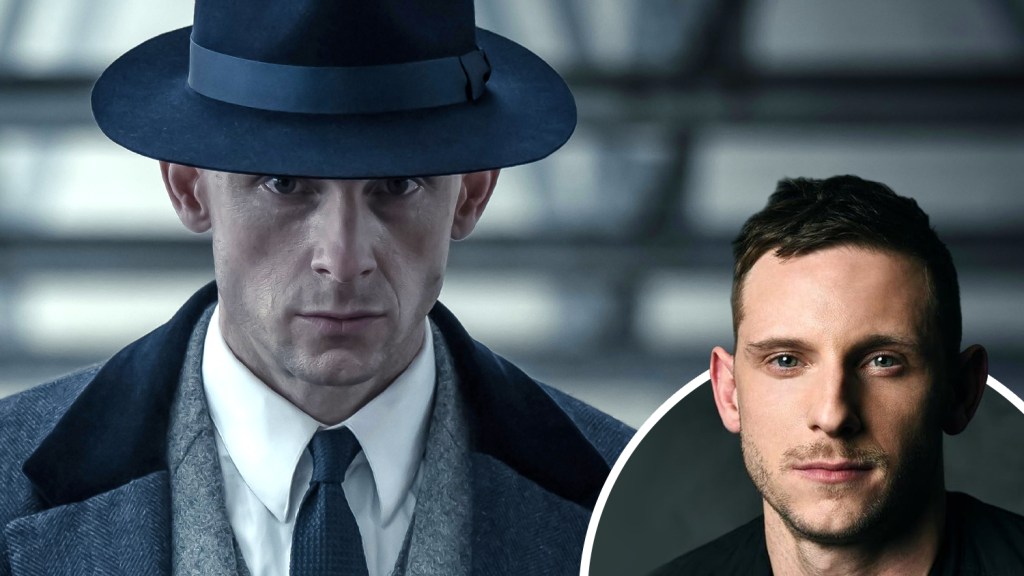
The confirmation of a new, multi-season ‘Peaky Blinders’ series, featuring a significant cast overhaul including Jamie Bell as Duke Shelby and Charlie Heaton in a leading role, underscores a strategic imperative for both Netflix and the BBC to leverage established intellectual property. This move aims to capitalize on the franchise’s existing global fanbase and critical acclaim, extending its narrative universe beyond the original series’ conclusion and the recent film, ‘The Immortal Man’. The investment in two six-episode seasons signals a commitment to sustained content generation within a proven IP, a common strategy in the competitive streaming landscape to ensure subscriber retention and attract new audiences.
Jamie Bell’s casting as Duke Shelby, the eldest son of Tommy Shelby, represents a deliberate recasting necessitated by the narrative’s temporal progression. The character, previously portrayed by Conrad Khan in the original series finale and Barry Keoghan in ‘The Immortal Man’, now shifts to Bell. This decision reflects the industry’s practice of re-evaluating talent for continuity and evolving character arcs, particularly when significant time jumps occur, impacting the perceived maturity and gravitas of key figures.
Charlie Heaton’s prominent role, with hints pointing towards him leading the new iteration of the Birmingham street gang, positions him as a potential successor or central figure in the evolving narrative. His inclusion, alongside Bell, indicates a focus on a new cohort of talent to drive the franchise forward, a critical step for long-term IP sustainability. The strategic implication is the cultivation of new fan engagement while retaining the core appeal that made ‘Peaky Blinders’ a cultural phenomenon.
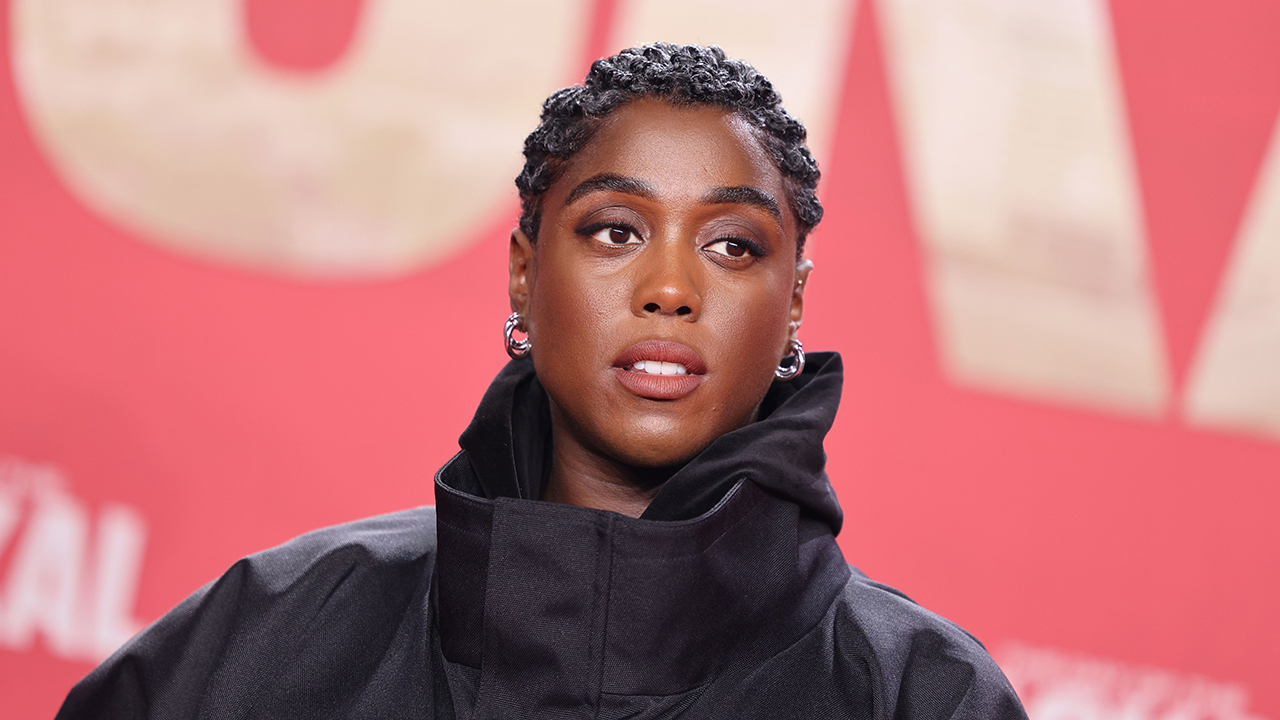
Lashana Lynch’s addition to the cast, a BAFTA-winning actress with a significant profile from projects like ‘No Time to Die’ and ‘The Day of the Jackal’, injects considerable prestige and broad appeal into the new series. Her involvement signals an ambition to attract a diverse and discerning viewership, transcending the show’s established demographic. This casting choice is a clear indicator of the production’s intent to elevate the series’ artistic and commercial standing.
Operational and Financial Implications of Multi-Season Orders
The order for two six-episode seasons signifies a substantial financial commitment from Netflix and the BBC, enabling a more cohesive and ambitious production pipeline. This structure allows for streamlined pre-production, principal photography, and post-production, potentially optimizing resource allocation and reducing per-episode costs compared to a single, extended season. It also provides a degree of narrative certainty for the creative team, allowing for long-term story planning and character development across the initial two seasons.
Filming commencing in and around Digbeth Loc. Studios in Birmingham grounds the new series in its ancestral setting, a crucial element for maintaining the franchise’s authenticity and visual identity. This localized production approach can also foster local economic development and tap into regional creative talent, a common practice for large-scale productions seeking to manage costs and leverage specific environmental aesthetics. The studio’s choice suggests a strategic decision to maintain the gritty, industrial backdrop that has become synonymous with the ‘Peaky Blinders’ brand.
The explicit mention of the series being set in the 1950s, a decade after the events of ‘The Immortal Man’, establishes a clear temporal framework for the new narrative. This post-war setting offers a rich historical canvas for Steven Knight’s storytelling, allowing for exploration of societal shifts, technological advancements, and the lingering impact of global conflicts on Britain. The creative team’s decision to advance the timeline significantly impacts character motivations, the socio-political landscape, and the potential for new thematic explorations within the established ‘Peaky Blinders’ universe.
Strategic Leverage of Established IP in a Competitive Market
The continued expansion of the ‘Peaky Blinders’ saga, following the release of ‘The Immortal Man’ film, demonstrates a clear strategy of IP monetization and extension. This approach is vital in the current media environment, where established franchises offer a more predictable return on investment compared to entirely new intellectual properties. By building upon a successful foundation, Netflix and the BBC mitigate the inherent risks associated with launching novel content, capitalizing on pre-existing brand recognition and audience loyalty.
The narrative focus on Duke Shelby’s pivotal role as Tommy Shelby’s illegitimate son, as detailed in the film’s plot, establishes a direct lineage and continuity for the new series. This character-centric approach, tracing the evolution of the Shelby family, provides a strong narrative anchor. It allows for the exploration of themes such as legacy, inheritance, and the cyclical nature of power and violence, which are central to the franchise’s enduring appeal.
The character’s backstory, involving his upbringing by his mother Zelda Chiriklo and subsequent integration into the Shelby family under Tommy’s care, provides a complex foundation for Duke’s future actions and motivations. This detailed lineage, including his relationship with Aunt Esme Shelby-Lee, offers ample material for character exploration and intergenerational conflict or alliance within the new series. The established lore surrounding Duke ensures that new storylines can be organically woven into the existing tapestry of the ‘Peaky Blinders’ world.
Talent Acquisition and Franchise Evolution
The strategic decision to have Barry Keoghan portray Duke Shelby in ‘The Immortal Man’, and subsequently the recasting for the new series, highlights the dynamic nature of talent management in long-running franchises. Creator Steven Knight’s assertion that Keoghan was the “perfect person” for the role in the film, due to the time jump, underscores the importance of casting decisions aligning with narrative requirements and performance expectations. This flexibility in casting is a pragmatic approach to ensuring the integrity and longevity of the characters and their arcs.
The casting of Jamie Bell to now embody Duke Shelby suggests a deliberate choice to align the character’s portrayal with a specific actor’s established dramatic capabilities and marketability. Bell’s prior roles in critically acclaimed films like ‘All of Us Strangers’ and ‘Rocketman’ indicate a capacity for nuanced performances that can carry significant dramatic weight. This strategic casting aims to solidify Duke’s position as a central figure in the new series, ensuring his character resonates with audiences and drives the narrative forward effectively.
The inclusion of actresses like Lashana Lynch further diversifies the ensemble and broadens the potential narrative avenues. Lynch’s proven track record in high-profile action and drama indicates a commitment to assembling a cast capable of delivering the intense performances characteristic of the ‘Peaky Blinders’ franchise, thereby reinforcing its reputation for quality storytelling and acting.
Market Positioning and Future Outlook
The expansion of ‘Peaky Blinders’ into a new series, alongside the recent film, signals a robust strategy to maintain and grow its market presence in the highly competitive global entertainment sector. By continuously feeding the franchise with new content, Netflix and the BBC aim to solidify its position as a flagship property, capable of generating sustained viewership and ancillary revenue streams. This multi-pronged approach to IP development is crucial for long-term financial viability and brand dominance.
The focus on a post-war 1950s setting for the new series allows for the exploration of a distinct historical period, offering fresh thematic and stylistic possibilities. This strategic choice differentiates the new installment from the earlier eras depicted in the original series, potentially attracting audiences interested in that specific historical context while still engaging the core ‘Peaky Blinders’ fanbase. It allows for the evolution of the show’s aesthetic and narrative concerns, reflecting the changing social and economic landscape of Britain.
The success of this expansion will likely depend on the creative team’s ability to introduce compelling new storylines and characters while honoring the established ethos of the franchise. The strategic decision to invest in multiple seasons suggests confidence in the creative vision and the commercial potential of this new chapter. The ongoing development of the ‘Peaky Blinders’ universe indicates a long-term commitment to this IP, positioning it as a cornerstone of both Netflix’s and the BBC’s premium content offerings for the foreseeable future.