
Strategic Disparity in Baylor vs. Minnesota Matchup
The first-round contest between the Baylor Bears and the Minnesota Golden Gophers in the College Basketball Crown tournament presents a stark strategic conflict rooted in advanced statistical disparities. The analysis reveals a matchup where one team’s primary offensive strength directly exploits the other’s most significant defensive weakness, a dynamic complicated by significant personnel challenges for Minnesota. The core strategic imperative for Minnesota is to mitigate a systemic defensive vulnerability, while Baylor must maximize a key offensive advantage, specifically their interior scoring efficiency and offensive rebounding prowess.
Baylor’s Advantage: Interior Dominance and Second-Chance Opportunities
Baylor’s primary competitive leverage lies in its high-efficiency interior offense and elite offensive rebounding. The Bears rank in the top 30 nationally in two-point percentage (57.6%), demonstrating a consistent ability to convert opportunities inside the arc. This strength is directly applicable against Minnesota, whose defense exhibits significant structural weaknesses, ranking 321st nationally in opponent effective field goal percentage (eFG%) since February. Furthermore, Baylor’s top-30 ranking in offensive rebounding rate creates a critical possession advantage. This ability to generate second-chance points places immense pressure on Minnesota’s already strained defensive unit, particularly their interior defense and overall rebounding efforts.
Minnesota’s Counter Strategy: Perimeter Efficiency vs. Defensive Gaps
Minnesota’s strategic approach relies heavily on offensive efficiency to compensate for its profound defensive liabilities. Since February, the Golden Gophers have demonstrated a high effective field goal percentage (eFG%) of 57.4%, ranking 19th nationally. This efficiency, however, is largely derived from perimeter shooting. Minnesota’s challenge in this matchup is to maintain this high offensive output against Baylor’s documented struggles in perimeter defense while simultaneously containing Baylor’s interior attack. The strategic paradox for Minnesota is that their offensive strength (eFG% ranking 19th) masks a systemic defensive vulnerability (opponent eFG% ranking 321st), creating a high-variance scenario where the outcome hinges on shot-making precision.
Operational Constraint: The Impact of Personnel Losses
Minnesota’s strategic challenges are severely compounded by significant operational constraints resulting from key injuries. The absence of top forward Jaylen Crocker-Johnson, along with key backups Chansey Willis and Robert Vaihola, significantly reduces rotation depth and creates critical gaps in interior defense and rebounding. The loss of Crocker-Johnson, in particular, directly amplifies Baylor’s offensive rebounding advantage by removing Minnesota’s primary interior presence. In high-stakes tournament play, where depth and defensive intensity are paramount, these personnel shortages create a systemic vulnerability that opposing teams can leverage throughout the game’s duration. The need to rely on a shorter rotation also increases the risk of foul trouble for remaining players, forcing strategic adjustments that disrupt defensive schemes.
Analytical Insight: Tempo, Efficiency, and Betting Market Implications
The interplay between tempo and efficiency defines the game’s strategic dynamics. While Minnesota’s sluggish tempo typically suggests a lower-scoring affair, the high effective field goal percentages of both teams, coupled with significant defensive vulnerabilities, create a high-scoring prediction. The betting market’s over/under line of 146.5 points reflects the analytical consensus that offensive efficiency will overcome tempo control. The strategic objective for Minnesota is to slow the pace to limit possessions and manage their depth issues. However, Baylor’s offensive rebounding prowess provides a mechanism to increase possession volume, counteracting Minnesota’s tempo control strategy. The outcome will likely be determined by which team successfully dictates the pace and leverages their specific statistical advantages.
Strategic Implications for Program Trajectory
Beyond the immediate outcome, this tournament game holds strategic value for both programs. For Minnesota, a strong performance despite adversity demonstrates resilience and adaptability, crucial selling points for future recruits and for building momentum for the following season. For Baylor, participation reinforces its competitive culture and provides valuable opportunities for player development and strategic refinement against specific offensive counter-strategies. The analysis highlights the increasing role of advanced analytics in decision-making, where coaching staffs must balance offensive strengths with defensive liabilities to gain a competitive edge in post-season play.
Conclusion: Adaptation as the Strategic Imperative
The Baylor vs. Minnesota matchup is a classic example of a high-efficiency offense meeting significant defensive liabilities. Minnesota faces the strategic imperative of adapting to a critical personnel shortage while attempting to mitigate Baylor’s interior dominance. Baylor’s strategic objective is to maximize its interior scoring and offensive rebounding advantages against Minnesota’s defensive shortcomings. The contest will ultimately hinge on whether Minnesota’s perimeter shooting efficiency can overcome Baylor’s interior scoring and rebounding leverage, particularly given Minnesota’s inability to match Baylor’s depth and interior strength.

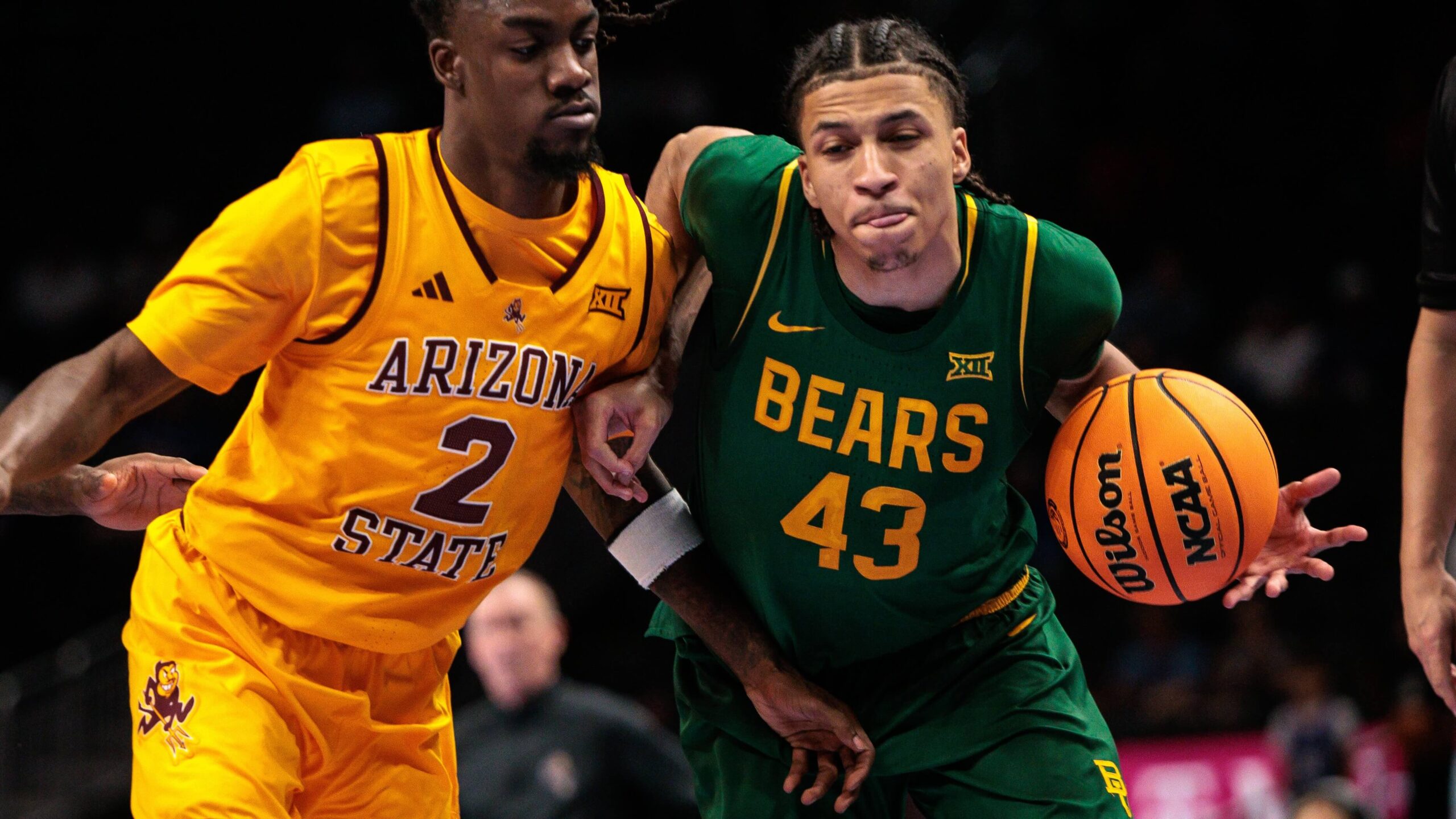
Photo by KeithJJ on Pixabay.