Strategic Stabilization Amid Rotation Attrition
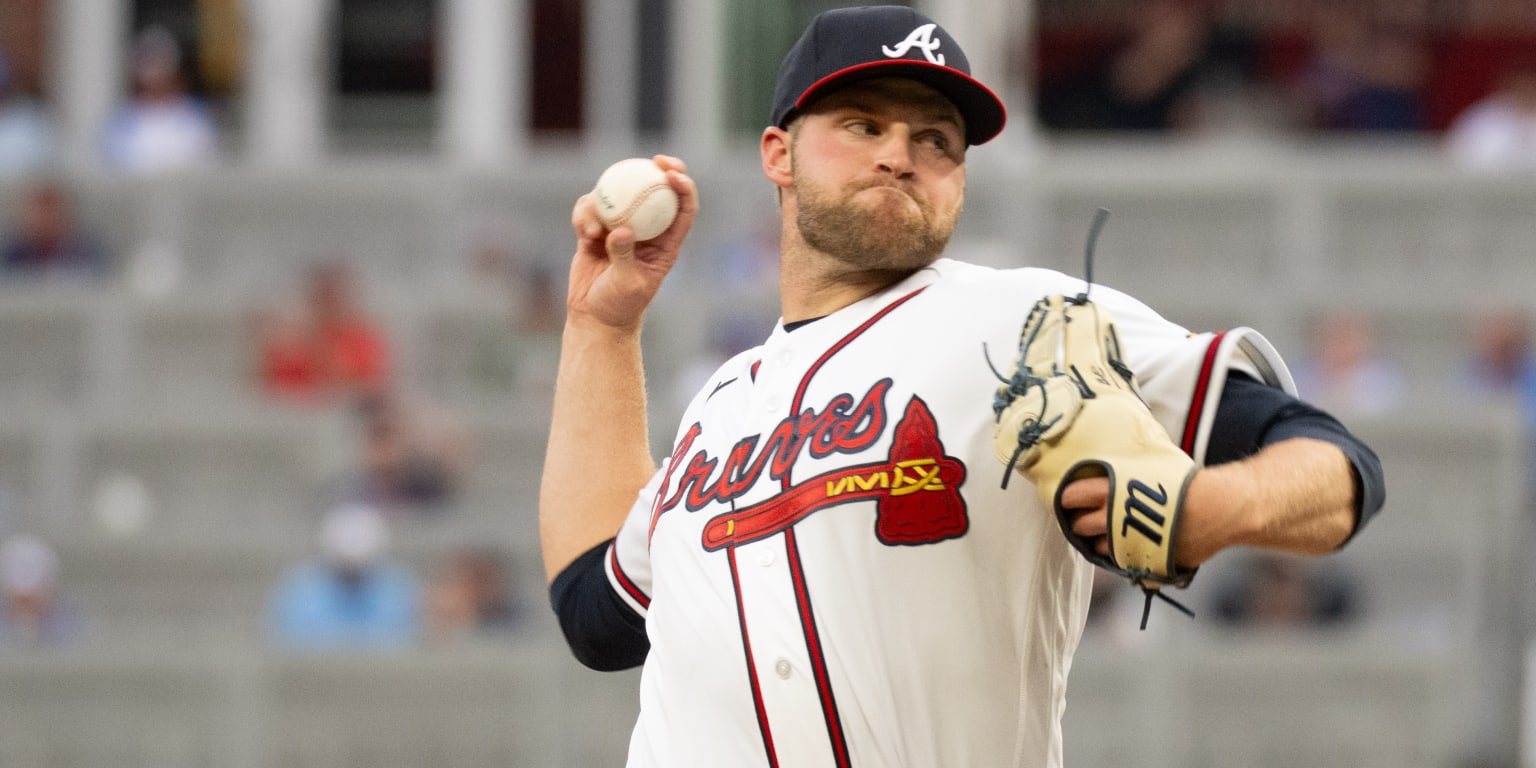
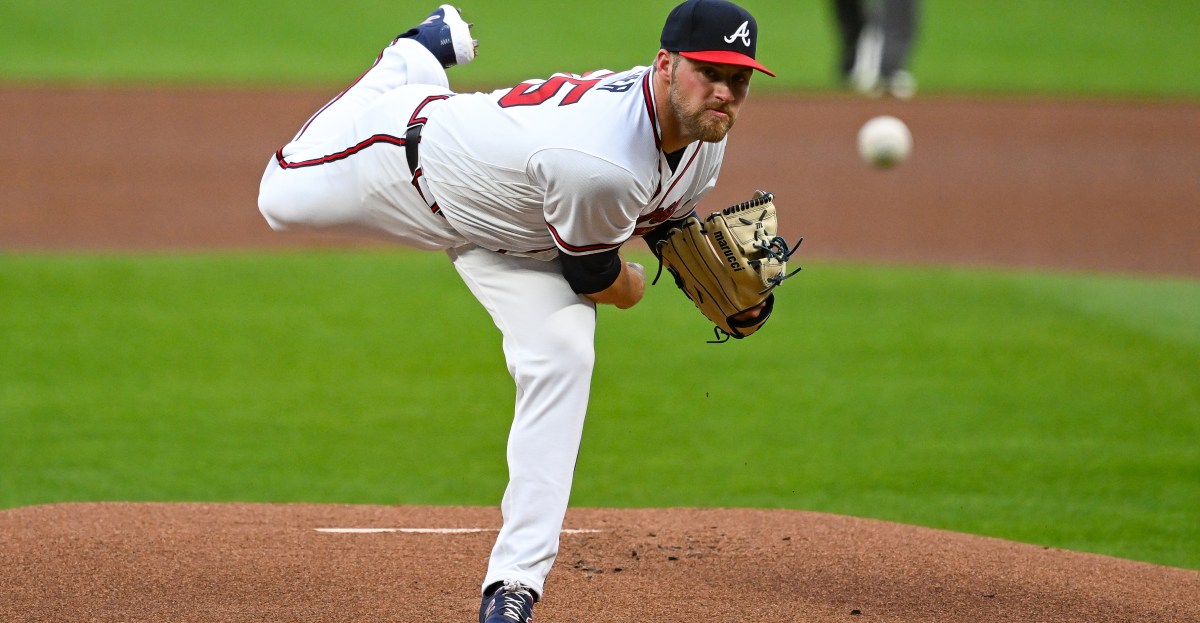
The Atlanta Braves’ 4-0 victory over the Oakland Athletics on March 30, 2026, serves as a vital case study in roster resilience. Bryce Elder’s performance at Truist Park was a masterclass in high-efficiency contact management, providing necessary stabilization for a rotation currently navigating significant injury-related attrition. Elder’s ability to complete six innings on a streamlined 83-pitch count reflects a sophisticated strike-zone command that minimized high-leverage stress and preserved bullpen resources.
The August 24 Consistency Benchmark: Statistical Superiority
Elder’s trajectory reveals a level of performance durability that currently leads Major League Baseball. Since August 24 of the previous season, Elder is the only pitcher to record seven starts of at least six innings while surrendering three or fewer runs. This metric places him in an elite tier, marginally surpassing the recent outputs of Sandy Alcantara and Yoshinobu Yamamoto, who each recorded six such starts in the same timeframe. For the Braves’ front office, Elder represents a critical hedge against the inherent volatility of their starting staff.
Offensive Efficiency and Tactical Pressure
The Braves exploited the command failures of Athletics starter Jacob Lopez, who issued five walks across four innings. Ronald Acuña Jr.’s lead-off walk catalyzed a three-run first-inning surge, illustrating Atlanta’s organizational philosophy of punishing high-walk-rate starters early. Matt Olson’s opposite-field RBI double and Mauricio Dubón’s two-RBI single effectively neutralized Oakland’s tactical options before the second inning, allowing Elder to prioritize aggressive zone targeting over high-stress secondary offerings.
The Dubón Acquisition: Defensive and Depth Dividends
The offseason acquisition of Mauricio Dubón has fortified the Braves’ defensive infrastructure. A two-time Gold Glove winner, Dubón contributed three hits and initiated a pivotal eighth-inning double play that extinguished Oakland’s momentum. His integration provides a high defensive floor, essential for supporting Elder’s ground-ball-heavy profile. Furthermore, the late-game introduction of Mike Yastrzemski—whose RBI triple added insurance—demonstrates a bench depth that remains a significant competitive advantage in 2026.
Institutional Implications for the 2026 Campaign
This shutout validates the Braves’ reliance on internal pitching development and strategic trades. While the Athletics struggle with a razor-thin margin for error and a lack of veteran depth, the Braves have demonstrated an ability to maintain dominance through tactical precision. Elder’s evolution from inconsistent prospect to a league-leading model of reliability suggests a successful institutional adjustment in game-planning. As Atlanta awaits the return of injured starters, Elder’s low-scoring, deep-inning efficiency remains the primary driver of their early-season sustainability.