
Institutional Disruption: The Rise of Post-Gatekeeper IP
The scheduled May 29th theatrical release of A24’s The Backrooms represents more than a genre acquisition; it is a structural validation of decentralized, internet-born lore as a primary source for high-concept cinema. By transitioning 19-year-old creator Kane Parsons from a solo digital animator to a studio-backed feature director, A24 is bypassing traditional developmental gatekeepers. This move capitalizes on pre-tested market demand, utilizing platforms like YouTube as massive, low-risk incubators for intellectual property that possesses built-in viral momentum.
Narrative Grounding: Bridging Abstract Liminality with Character Archetypes
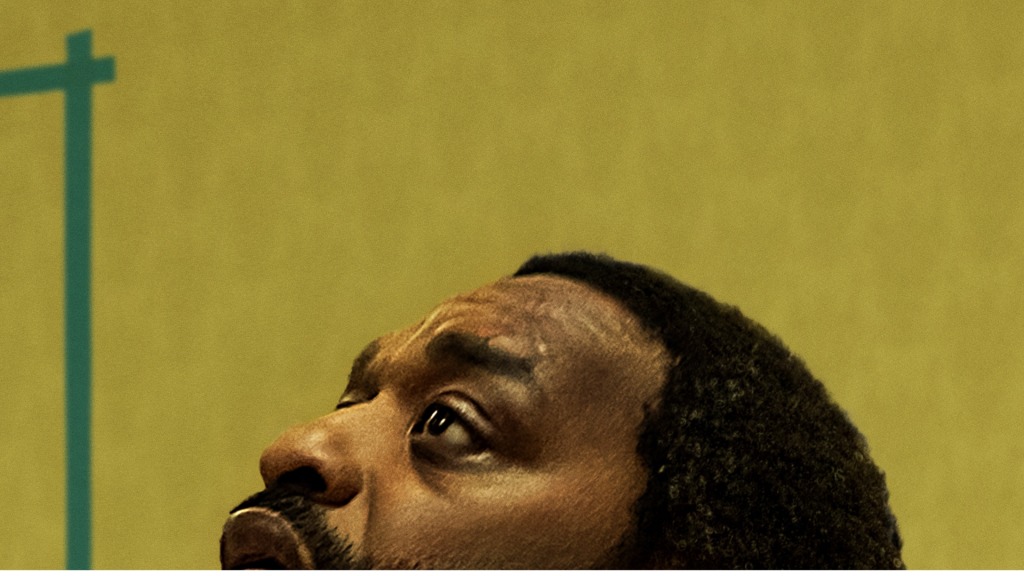
The strategic casting of Chiwetel Ejiofor as Clark and Renate Reinsve as his therapist serves as the production’s necessary anchor. While the original digital series relied on POV-driven atmospheric dread, the feature adaptation requires a psychological framework to sustain a theatrical runtime. The narrative centers on the manifestation of the Backrooms—described as an endless spatial distortion appearing behind a furniture store—and utilizes the therapist-patient dynamic to explore the cognitive dissonance and trauma associated with spatial displacement. This approach transforms the abstract concept of ‘liminal horror’ into a grounded, character-driven exploration of reality’s erosion.
Operational Strategy and Theatrical Viability
A24’s decision to position The Backrooms within the competitive early summer window (May 29th) indicates a high degree of confidence in the ‘Internet Horror’ sub-genre, which includes adjacent titles like Iron Lung and Undertone. Financially, this model offers a high ROI potential: the IP discovery costs are minimized by Parsons’ existing proof-of-concept, while the studio provides the logistical infrastructure to scale the production. The success of this project will likely recalibrate how major studios value digital subcultures, shifting the industry focus from traditional literary adaptations toward algorithmically proven digital narratives.
The Aesthetic of Disorientation
Maintaining the visual integrity of the original lo-fi, VHS aesthetic while integrating studio-level production values is the project’s primary technical challenge. The manifestation of otherworldly creatures within the mundane setting of a furniture store underscores the central conflict: the invasion of familiar, commercial spaces by an incomprehensible, near-endless architecture. For stakeholders, the film serves as a litmus test for whether the specific, unsettling ‘creepypasta’ vibe can survive the transition to a structured, 90-minute narrative without losing the ambiguity that defined its digital origins.