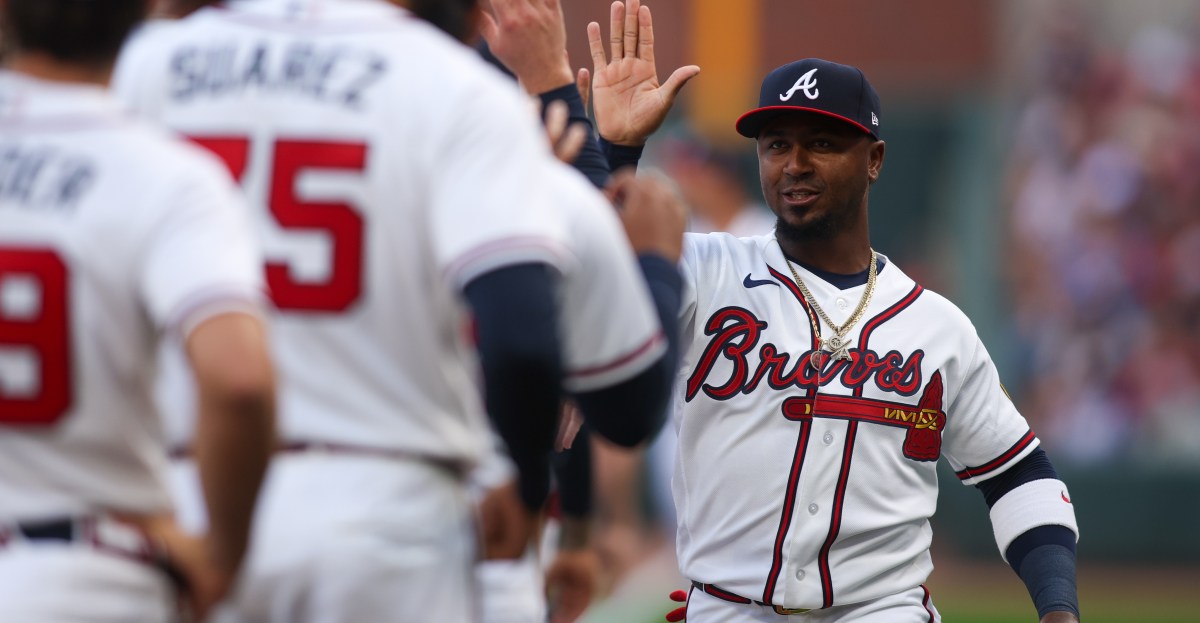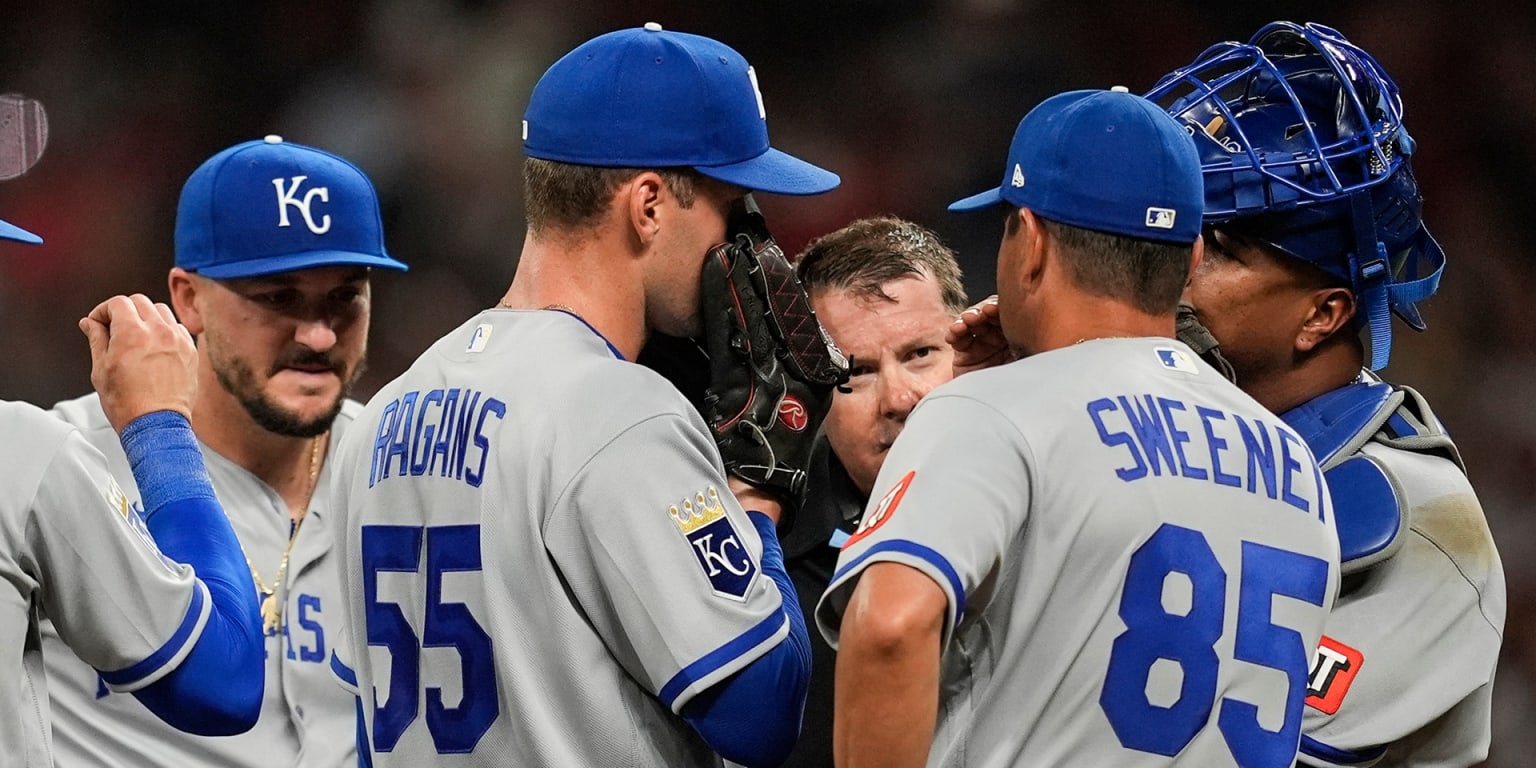
The Atlanta Braves initiated their season with a commanding 6-0 victory over the visiting Kansas City Royals at Truist Park, marking manager Walt Weiss’s inaugural win. This decisive result instantly calibrates the Braves’ performance baseline, capitalizing on early-season momentum against a Royals team facing immediate scrutiny regarding their preseason contention narrative.
Pitching Command and Operational Efficiency Metrics
Chris Sale delivered an archetypal frontline start: six scoreless innings utilizing only 88 pitches (54 strikes). This operational efficiency—striking out six while conceding only three hits—is strategically vital. Limiting pitch count in the opener preserves bullpen assets and maximizes Sale’s annual availability, a critical variable in long-term rotation planning.
Sale’s command profile, evidenced by nine induced whiffs and 17 first-pitch strikes, minimized high-leverage count exposure. This execution validates the Braves’ strategy of deploying high-pedigree starters aggressively early in games, thereby controlling the pace and dictating subsequent bullpen deployment sequencing.
Strategic Deficit Exposed in Royals’ Offensive Approach
The Royals’ inability to breach Sale’s command exposes an immediate strategic gap: insufficient offensive sequencing designed to neutralize elite velocity and movement. A shutout loss following an extra-day wait for their opener places amplified pressure on the lineup’s execution capability, directly challenging the roster’s perceived readiness for contention.
This initial failure mandates rapid recalibration of offensive approaches against top-tier pitching. The scoreless outing immediately raises the performance hurdle for subsequent Royals’ starters, potentially forcing tactical shifts in pitch selection or defensive positioning simply to generate the run support deficit.
Franchise Benchmarks: Albies’ Historic Continuity
The Opening Day slate yielded significant individual milestones for the Braves, reinforcing the organizational value of established core contributors. Second baseman Ozzie Albies logged his ninth consecutive Opening Day start at second base, establishing a new franchise record, surpassing Glenn Hubbard.
This continuity at a critical defensive position signals institutional stability and expedites in-game decision-making due to shared systemic experience, reducing transitional friction associated with personnel turnover.
Albies’ Legacy Positioning via Power Production
Albies further solidified his organizational standing by hitting a solo home run in the first inning, becoming the eighth player in Braves history with three or more career Opening Day home runs. This positions him historically alongside franchise stalwarts like Mathews and Jones, directly linking current output to established organizational success metrics.
For front-office asset valuation and sustained fan engagement, these quantifiable historical achievements provide crucial narrative capital, confirming the efficacy of long-term investment in the core personnel matrix.
Royals’ Expectation Management Post-Defeat
The 0-6 defeat marks the Royals’ seventh straight road loss on Opening Day, contrasting sharply with their elevated internal roster projections. Despite Bobby Witt Jr.’s two-hit performance, the systemic failure to score underscores a disconnect between perceived roster strength and immediate competitive execution.
Witt Jr.’s pre-game assertion regarding exceeding external scrutiny amplifies the reputational risk associated with early performance deficits. The added psychological burden of losing the opener after a delayed start challenges the confidence of a team mandated to compete immediately.
Confidence Testing Under Competitive Pressure
While single-game variance is high, the shutout loss against a high-caliber divisional peer immediately tests the foundational confidence of a roster positioned for contention. The contrast between acknowledged ‘flashes of potential’ and demonstrable execution failure suggests systemic challenges in translating talent into consistent output against elite competition.
This result forces the Royals’ management to critically assess if roster construction adequately bridges the gap between internal belief and demonstrable performance, particularly in run-scoring scenarios where margin for error against top pitching is negligible.
Managerial Momentum and Offensive Profile Validation
Walt Weiss secured his first managerial victory via a clean, dominant performance—six runs driven by three home runs against zero earned runs allowed. This positive data point validates the organizational capital invested in his strategic implementation, boosting clubhouse buy-in and external perception of the team’s readiness.
Impact of Early Home Run Deployment
The Braves’ display of three home runs immediately dictates an aggressive offensive profile, forcing opponents into disadvantageous defensive positioning and more conservative pitching strategies from the outset. This power threat offers an early strategic advantage in pitcher selection and plate discipline utilization.
This early power confirmation validates the efficacy of the Braves’ offseason offensive investments, reducing immediate pressure for external reinforcements and allowing capital allocation to focus on sustaining positional depth.
Competitive Differential and Narrative Control
The opening disparity—dominant home shutout versus scoreless road loss—establishes a preliminary competitive differential impacting early standings and league perception. Opposing teams will adjust scouting reports based on this initial exposure to both club’s functional capabilities.
The pressure pivots for the Royals from internal validation to demonstrating immediate competitive viability against established winners. Conversely, the Braves control a highly favorable narrative: veteran pitching dominance coupled with timely, high-impact offense under new leadership, which streamlines media engagement and marketing efforts.
Operational Depth: Workload Management and Resource Optimization
Sale’s controlled 88-pitch workload is crucial for preserving high-value asset longevity throughout the season. The high first-pitch strike percentage ensures sustained defensive engagement and limits the duration of high-stress innings.
This starter dominance optimizes resource allocation for the Braves, permitting a more measured deployment of middle relief corps and conserving high-leverage arms for subsequent, higher-leverage situations across the series arc.
Incentive Structure of Historical Benchmarks
Albies’ record achievements are more than anecdotal; they anchor current performance within a continuum of organizational excellence, setting an elevated internal threshold for future contributions. When current players meet historical milestones, it reinforces a culture where sustained high performance is the expected norm.
This institutional memory acts as a continuous incentive mechanism, conditioning players to evaluate daily output through the lens of long-term franchise impact, thereby influencing the intensity of competitive focus.
Required Strategic Response: Addressing Execution Gaps
The Royals’ primary strategic imperative is to resolve the offensive vacuum highlighted by Sale’s efficiency. If internal confidence surpasses external metrics, the performance gap points toward a tactical failure in approach rather than a fundamental talent deficiency.
This necessitates targeted coaching intervention focused on optimizing plate discipline and situational hitting execution. Witt Jr.’s multi-hit effort confirms individual capability, but the team’s collective failure to score signals systemic deficiencies in synergistic execution that must be rapidly corrected to prevent psychological erosion.
Analyzing Opening Day Narrative Framing
The stark contrast between the Braves’ immediate validation and the Royals’ premature disappointment underscores Opening Day’s high-leverage function in shaping momentum transfer. The Braves successfully leveraged the ceremonial stage for dominance, whereas the Royals struggled to convert anticipation into tangible results.
This initial framing forces the Royals into a defensive posture concerning roster strength rather than an offensive posture of building success. The Braves are positioned to exploit this distraction through sustained high-level execution, while the Royals must manage the immediate drain on organizational focus.