Operational Pressure-Testing: The Spring Game as a Strategic Exercise
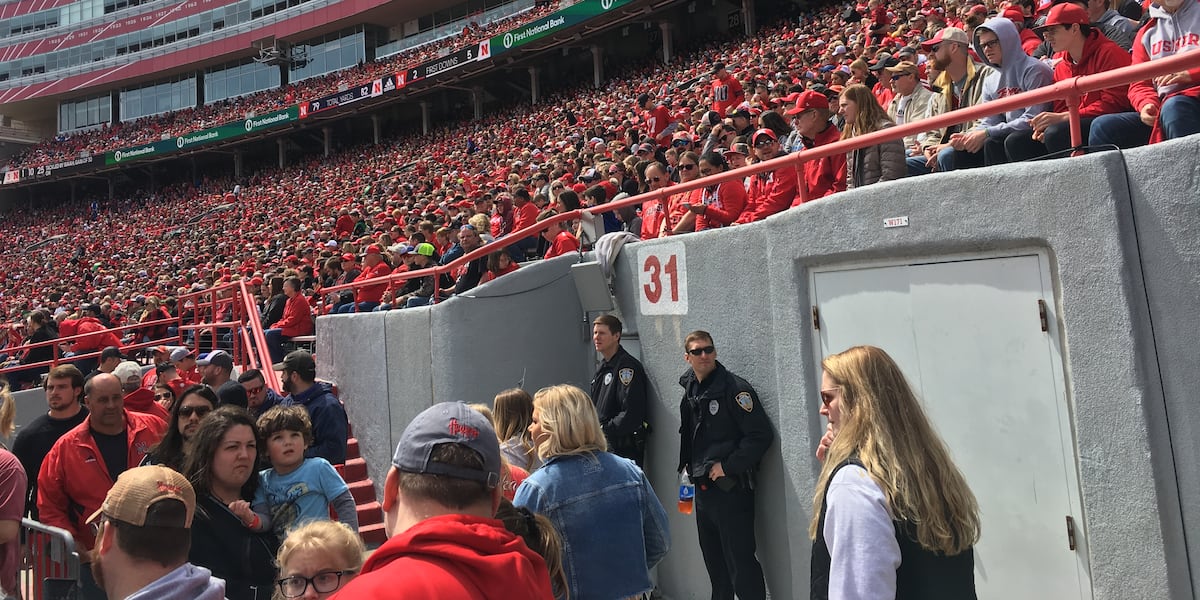
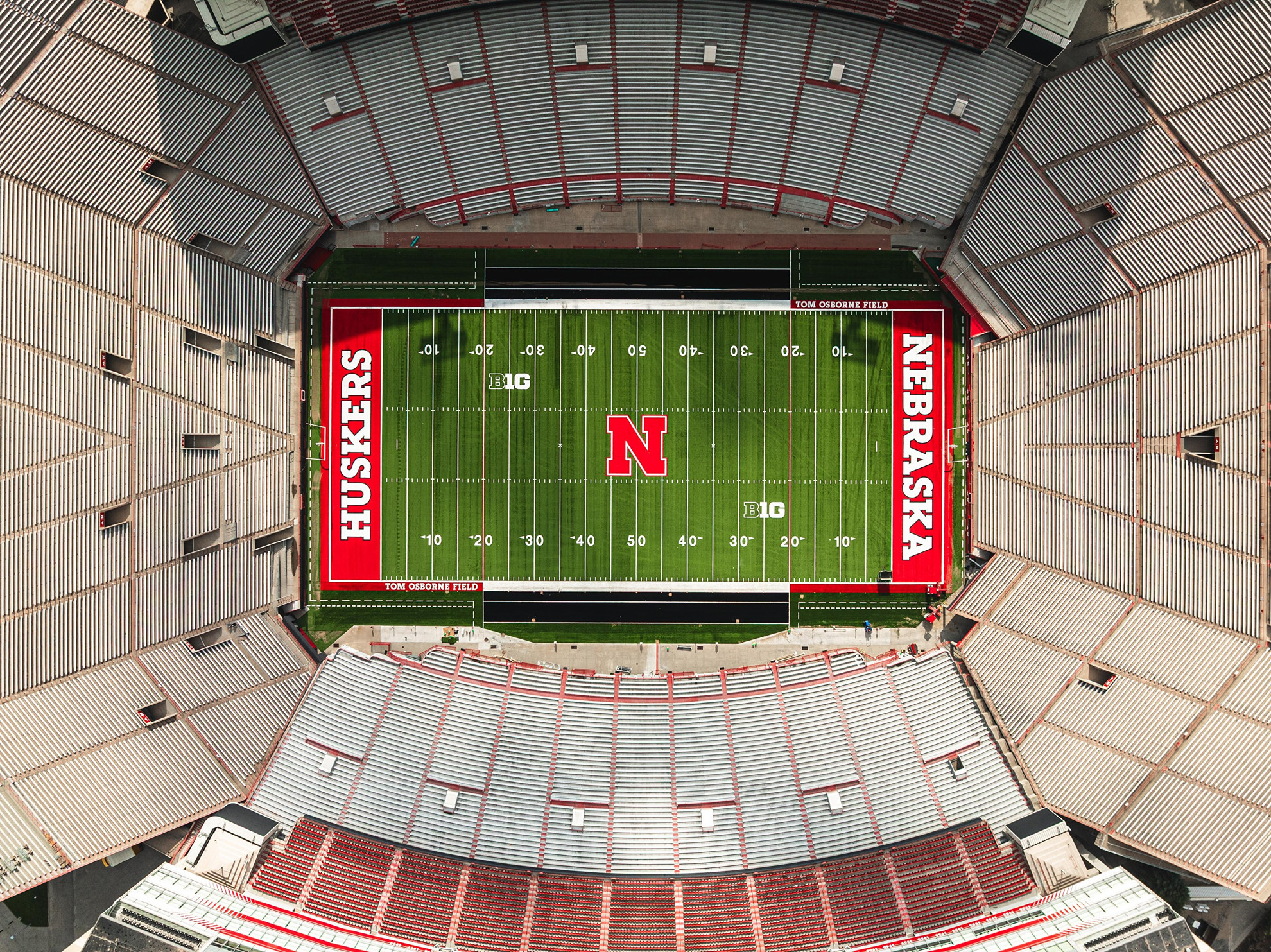
The University of Nebraska’s Red-White Spring Game, presented by FNBO, functions as a high-fidelity simulation for the athletic department’s operational infrastructure. Far from a casual exhibition, the event serves as a critical stress-test for venue management, fan engagement protocols, and public safety frameworks. By replicating regular-season densities, the university can refine logistical workflows and evaluate new administrative initiatives in a controlled, high-stakes environment.
Revenue Optimization and Digital Transformation
Nebraska Athletics utilizes a tiered, incentive-based ticketing model—$10 for advance purchases versus $20 on game day—to drive early commitment. This strategy facilitates precise attendance forecasting and mitigates gate-side congestion. Central to this modernization is the transition to mandatory mobile ticketing and a cashless venue policy at Memorial Stadium. This digital-first approach serves a dual purpose: it accelerates transaction throughput while generating granular data on consumer behavior, allowing for more targeted marketing and resource allocation in future cycles.
Brand Equity through Strategic Philanthropy
The decision to earmark all ticket proceeds for Nebraska wildfire relief efforts represents a sophisticated application of Corporate Social Responsibility (CSR). By aligning the program’s massive cultural footprint with state-wide crisis response, the university converts an exhibition game into a vehicle for brand institutionalization. This initiative strengthens the reciprocal bond between the athletic department and its regional stakeholders, yielding significant reputational capital that transcends sports performance.
Regional Infrastructure and Logistical Resilience
The game exerts a measurable impact on Nebraska’s transportation networks, necessitating high-level coordination between the Nebraska Department of Transportation (NDOT) and local law enforcement. Proactive advisories regarding Interstate 80 construction and the redirection of traffic from high-risk bottlenecks like Exit 409 demonstrate the event’s role in state-level infrastructure planning. By suggesting fans extend their stay post-game to ease peak congestion, officials implicitly stimulate secondary economic activity in Lincoln’s retail and hospitality sectors.
Athletic Utility and Performance Evaluation
Within the competitive cycle, the spring game provides the only game-condition environment for roster evaluation prior to the fall season. The 15-minute running clock and structured Offense-vs-Defense (Red vs. White) format allow coaching staff to pressure-test depth charts and tactical adjustments. This internal benchmark is essential for assessing player development and refining the competitive strategy for the upcoming Big Ten campaign.
Economic Multipliers and Market Sustainability
The influx of thousands of visitors provides a substantial economic multiplier for the City of Lincoln. While ticket sales are philanthropic, the secondary spending on fuel, lodging, and dining sustains local business ecosystems during the traditional sports off-season. This enduring fan loyalty, which views the spring game as a cultural touchstone rather than a mere scrimmage, ensures the long-term financial viability of the program and its ability to attract premier broadcast partnerships via networks like the Big Ten Network.