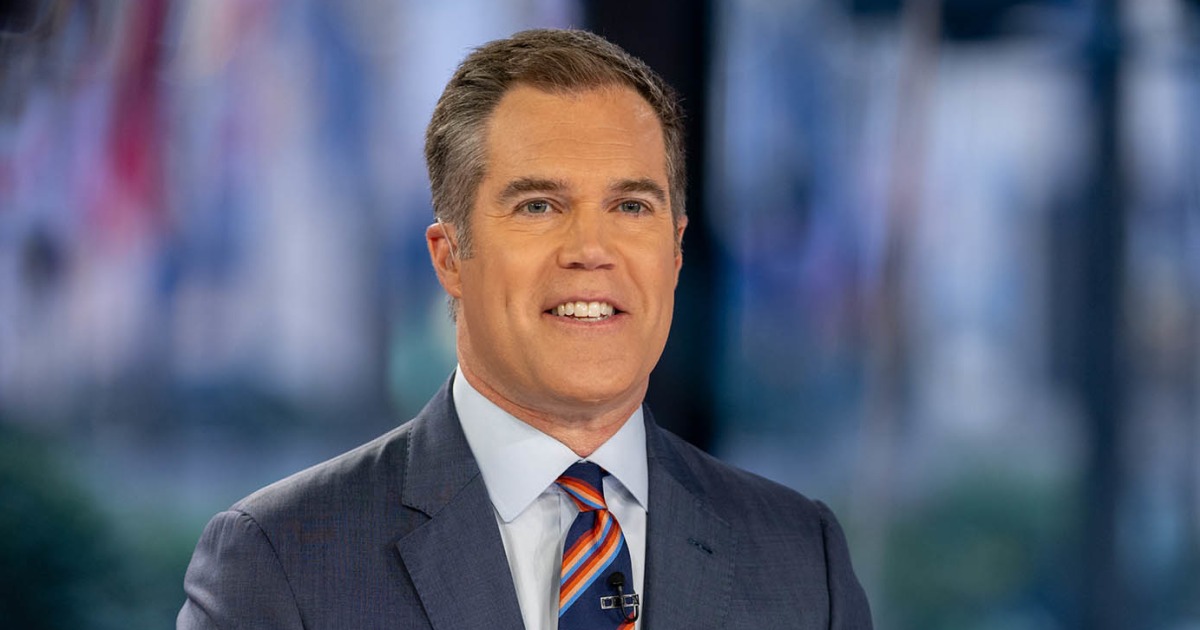
Peter Alexander’s exit from NBC News following a 22-year tenure—encompassing roles as Chief White House Correspondent and co-host of Saturday TODAY—represents a significant reallocation of high-value journalistic capital within the U.S. news ecosystem.
The publicly stated motivation cites the need for improved work-life balance, specifically addressing the significant logistical friction caused by maintaining a family base in Washington, D.C., while anchoring a weekend program broadcast from New York City.
However, this personal calculus intersects critically with reported institutional stagnation. Sources suggest Alexander was also incentivized by a perceived ceiling regarding advancement to primary weekday or evening anchor desks (e.g., Today or Nightly News), a common friction point in legacy network talent pipelines.
Analysis of Anchor Succession Dynamics and Network Loyalty Costs
Alexander’s trajectory as Chief White House Correspondent—a role traditionally serving as a direct feeder to top anchor desks—did not result in the anticipated elevation following Kristen Welker’s move to Meet the Press. His stabilization on Saturday TODAY suggested a holding pattern rather than upward momentum.
This professional reality underscores a central challenge for broadcast journalism: institutional tenure no longer guarantees progression to the highest-leverage viewing slots. Networks must constantly balance rewarding seniority with the perceived audience appeal of new talent, often resulting in veteran correspondents seeking external validation.
Cascading Effects on NBC’s Correspondent Bench and Strategy
Alexander’s departure creates an immediate void in NBC’s White House bureau, removing a correspondent with deep institutional memory and established D.C. relationships cultivated over a decade.
The subsequent internal realignment will reveal NBC’s bench development strategy: prioritizing continuity through internal promotion or seeking external acquisition to refresh the correspondent corps. Furthermore, co-anchor Laura Jarrett faces the task of redefining the on-air dynamic and stabilizing viewership continuity for Saturday TODAY.
MS NOW: A Strategic Acquisition for Brand Reformation
Alexander’s move to anchor a weekday program and handle breaking news at MS NOW (formerly MSNBC, now structurally independent under Versant following its separation from NBC News) is a decisive strategic acquisition.
MS NOW is aggressively pursuing the establishment of a distinct journalistic identity independent of its former parent network. Securing a recognizable figure with proven, high-stakes political reporting credentials immediately confers credibility and audience recognition during this critical operational restructuring phase.
The commitment to a weekday anchor slot signals MS NOW’s intent to build sustained viewership around established journalistic authority, moving beyond reliance solely on ideological positioning.
Operational Shift: From Correspondent to Primary Anchor
Transitioning from a field-heavy correspondent role to anchoring a dedicated weekday program implies a shift for Alexander toward sustained programming commitment and away from episodic crisis reporting.
For MS NOW, onboarding an anchor intimately familiar with the Washington political apparatus is essential for competitive relevance against incumbents relying heavily on Beltway expertise. This hire is foundational to defining the new network’s slate independent of shared NBC resources.
Career Leverage in the Evolving Media Ecosystem
Alexander’s choice to pivot from a legacy broadcast network to the newly independent MS NOW highlights the shifting career leverage available to senior journalists. The move suggests the MS NOW offer provided superior influence, programming control, or financial terms that eclipsed the perceived security of remaining at NBC.
For high-level correspondents, the calculus increasingly involves weighing guaranteed seniority against immediate impact and control offered by restructuring or emerging platforms. Frustration over perceived advancement stagnation is effectively monetized by acquiring entities.
The Capital of White House Credibility
Alexander’s extensive White House coverage serves as vital capital in the current media climate, where political reporting drives engagement. This specific expertise allows MS NOW to immediately assert authority in high-stakes political coverage, bypassing the cultivation time required for specialized correspondents.
This deployment of proven political talent is a core tactic for new operations seeking rapid trust establishment. Alexander’s capacity for breaking news further capitalizes on this credibility, positioning him as a reliable voice during political volatility.
The Institutional Toll: Analyzing Opportunity Cost
Alexander quantified the personal cost of national broadcast journalism, noting an approximate 200 Friday nights away from home over seven years due to weekend anchor and correspondent duties. This metric highlights the unsustainable operational strain on high-value talent.
This professional sacrifice often aligns with personal timelines; as family responsibilities intensify, the perceived ‘limited window’ for personal engagement compels restructuring, favoring geographic stability.
Geographic Friction as a Decisive Variable
The inherent geographic conflict between Alexander’s D.C. base and the New York production hub directly undermined the sustainability of his role. While D.C. proximity was maintained during his White House tenure, the Saturday TODAY commitment necessitated continuous, disruptive weekend travel.
MS NOW’s new structure likely mitigates this friction by permitting a D.C.-centric operational base for his weekday role. Geographic flexibility is increasingly a decisive, non-salary variable in high-stakes talent negotiations.
Conclusion: Legacy, Transition, and Competitive Signaling
Alexander’s 22-year commitment to NBC underscores a fading era of institutional duration, increasingly challenged by immediate optimization opportunities offered by transformative competitors.
The context of MS NOW’s structural separation and rebranding under Versant amplifies the strategic weight of this hire. Acquiring established, high-caliber anchors signals a concrete commitment to substantive news programming, vital for establishing credibility in the newly independent structure.
The success of Alexander’s weekday program will serve as an early benchmark for MS NOW’s ability to convert structural independence into compelling, audience-retaining content. This career pivot offers a critical case study in how established journalistic assets flow when internal progression paths narrow, directly impacting the competitive positioning of both legacy and emerging U.S. news entities.