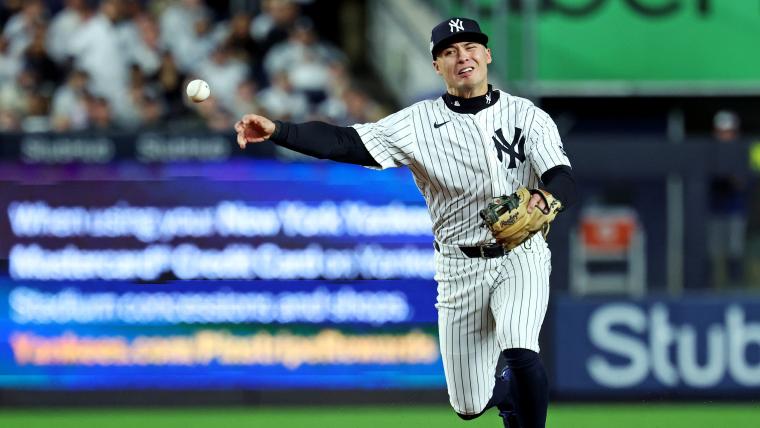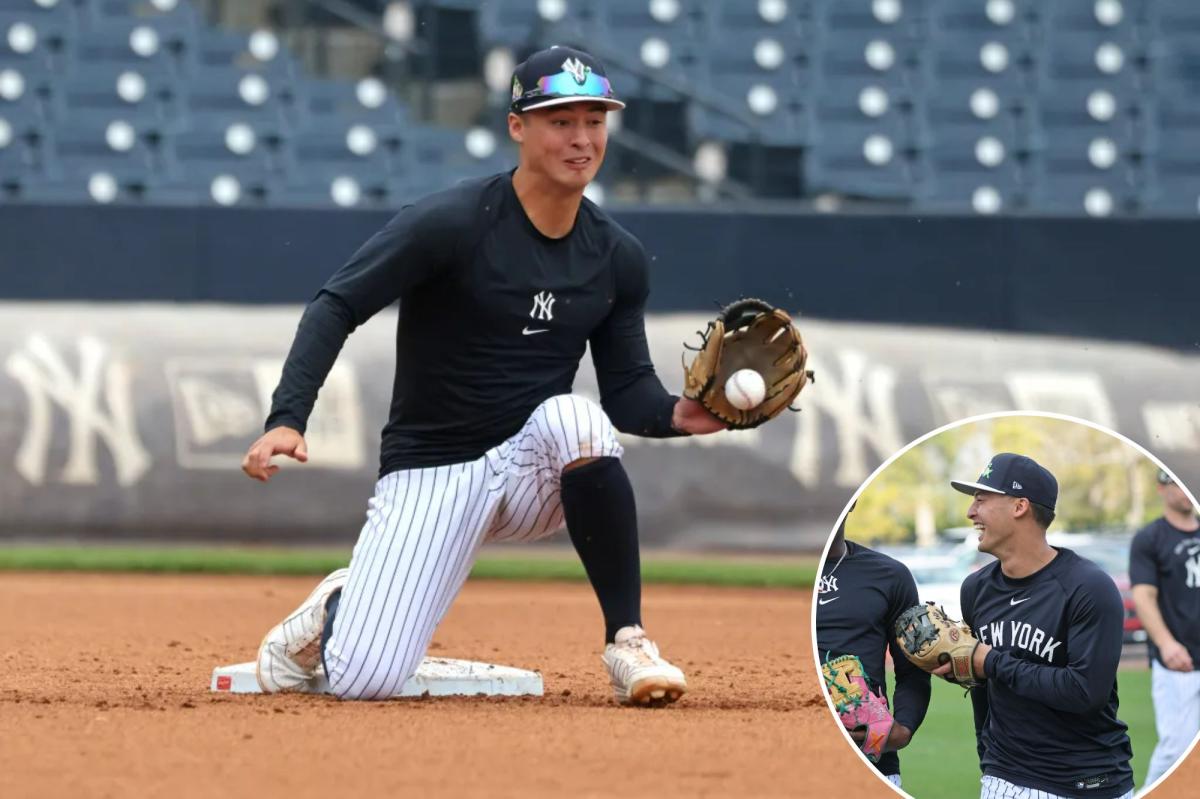
Yankees Face 2026 Season Opener Without Key Shortstop Anthony Volpe
The New York Yankees will begin their 2026 Major League Baseball campaign without starting shortstop Anthony Volpe. His absence for the opening series against the San Francisco Giants highlights the shortstop position’s crucial role and the immediate strategic impact of player availability on team performance.
Volpe’s health status has been a focal point for fans, with his presence directly influencing team dynamics. The shortstop role is widely recognized for its demanding nature and significant on-field influence, making any disruption a substantial factor for a contending team.
Shoulder Surgery Sidelines Volpe for Season Start
Anthony Volpe is currently sidelined due to a left shoulder injury, not his throwing arm. The injury initially occurred in May 2025, was re-aggravated in September, and necessitated surgery in October, directly impacting his readiness for the 2026 season’s commencement.
The timing of Volpe’s surgery and subsequent rehabilitation places him on the injured list for the initial phase of the 2026 schedule. This situation underscores the inherent risks to player health and the extensive long-term planning required by sports franchises to manage roster availability throughout a demanding season.
Volpe’s Rehabilitation and Mental Fortitude
Despite the physical setback, Anthony Volpe has expressed confidence in his recovery, reportedly feeling healthier than ever. This positive physical outlook presents a unique mental challenge as he navigates the rehabilitation process and anticipates his return to play.
The psychological aspect of recovery is amplified when an athlete feels physically capable but remains constrained by medical protocols and team schedules. This internal drive to compete, juxtaposed with the external limitations of injury management, can create significant mental pressure.
Impact on Yankees’ Early Season Strategy
Volpe’s inability to participate in the 2026 season opener presents an immediate tactical challenge for the Yankees’ management. The team must develop strategies to compensate for the loss of their primary shortstop, potentially affecting defensive alignment, offensive production, and overall game management.
The club’s roster construction and in-game adjustments will be directly influenced by Volpe’s absence, necessitating contingency planning and effective utilization of available players to maintain competitive parity during the early season.
Fan Sentiment and Player Perception
Anthony Volpe is a polarizing figure among the Yankees fanbase, eliciting both strong support and criticism. His current injury and subsequent absence from the opening day roster are likely to further influence these differing perspectives, shaping public discourse on team performance and player evaluations.
Discussions surrounding Volpe’s value and impact are intrinsically linked to his on-field availability and performance. His injury serves as a focal point for conversations about player development, team expectations, and the athlete-supporter relationship.
Strategic Implications for the Yankees Organization
The Yankees organization faces strategic considerations beyond immediate game-day tactics due to Volpe’s injury. Long-term planning, including player development pipelines and potential roster moves, must account for the uncertainty surrounding key player health.
This situation prompts an evaluation of the team’s depth at critical positions and the robustness of their injury management protocols. The club’s capacity to adapt and sustain performance despite such setbacks is a measure of its organizational strength and strategic foresight.
Market Dynamics and Player Value
In professional sports, player injuries can significantly influence market perceptions and future contract negotiations. The duration and nature of Volpe’s absence, coupled with his performance upon return, will shape his perceived value within the league.
This incident also highlights the financial implications of player health for teams, affecting salary cap management, insurance considerations, and overall talent investment. The Yankees’ handling of Volpe’s recovery will be closely observed as an indicator of their player management philosophy.
Media Narrative and Public Relations
Media coverage of Anthony Volpe’s injury and recovery will be crucial in shaping public opinion. How his absence is framed, updates on his progress, and analysis of his impact on the team will contribute to the ongoing narrative.
Journalists and analysts will dissect the Yankees’ performance without Volpe, commenting on the team’s resilience and the effectiveness of substitute players. This media attention underscores the interconnectedness of athlete health, team performance, and public perception in professional sports.
Broader Industry Trends in Player Health Management
Volpe’s situation reflects broader trends in professional sports concerning player health and injury management. Advances in sports medicine, rehabilitation techniques, and data analytics are continuously evolving to optimize player recovery and minimize long-term health risks.
The Yankees’ approach to Volpe’s care aligns with industry best practices and the commitment to athlete well-being. This focus on player health is vital for individual performance and the sustainability of the sport.
Competitive Landscape and Divisional Outlook
The absence of a key player like Volpe can create ripple effects within a competitive division. Opposing teams may seek to capitalize on the Yankees’ temporary weakness, potentially altering divisional standings and playoff aspirations.
The Yankees’ ability to navigate this period of uncertainty will be critical for their 2026 season success. Their performance without Volpe will significantly influence their standing within the highly competitive MLB landscape.
Future Implications for Volpe’s Career Trajectory
The injury and recovery period can shape a player’s career trajectory, impacting development, confidence, and long-term outlook. Volpe’s ability to return to peak form will be a key indicator of his future potential and impact on the Yankees.
This experience may prove formative for Volpe, testing his resilience and commitment. His response to this challenge will be a significant aspect of his professional narrative.
Organizational Depth and Succession Planning
Volpe’s injury underscores the importance of organizational depth and robust succession planning. The Yankees’ ability to absorb the loss of a starting player and maintain competitiveness relies on the quality and readiness of their reserve players and minor league system.
This situation necessitates continuous evaluation of talent acquisition, player development, and strategic resource deployment to ensure year-round competitiveness. Organizational resilience is tested when key personnel are unavailable.
Fan Engagement and Brand Perception
The narrative surrounding a star player’s injury and return can significantly influence fan engagement and a team’s brand perception. Positive outcomes and strong comebacks can galvanize fan support and enhance the team’s image.
Conversely, prolonged absences or perceived mismanagement of player health can lead to fan disillusionment. The Yankees’ communication and handling of Volpe’s situation will be critical for maintaining a positive connection with their fanbase.
The Evolving Nature of Player Recovery Protocols
Medical and scientific advancements in player recovery continuously shape how athletes manage injuries. Volpe’s rehabilitation process is likely informed by the latest research and best practices in sports medicine, aiming for a comprehensive return to optimal function.
This includes not only physical healing but also mental conditioning and gradual reintegration into competitive play. The effectiveness of these evolving protocols is paramount for ensuring player longevity and sustained performance.
Strategic Roster Management in the Face of Adversity
Yankees management faces a strategic imperative to adjust their roster and game plans in Volpe’s absence. This involves assessing the strengths and weaknesses of available players and making calculated decisions to fill the void at shortstop.
Such situations test the adaptability and strategic acumen of coaching and management. Effective resource deployment and sound tactical decisions will be crucial for mitigating the impact of Volpe’s unavailability.
The Economic Impact of Player Availability
Player availability has direct economic consequences for sports franchises, influencing ticket sales, merchandise revenue, and broadcast viewership. A prominent player like Volpe significantly contributes to a team’s commercial appeal.
His absence, particularly during the crucial opening weeks, can measurably impact revenue streams. This underscores the financial stakes involved in player health and performance management.
Long-Term Performance Leverage and Player Development
While Volpe’s absence presents short-term challenges, his eventual return to full health is expected to restore his performance leverage. The Yankees are counting on his continued development and contribution to their long-term success.
The team’s investment in Volpe, encompassing player acquisition and development, hinges on his ability to consistently perform at a high level. His recovery and subsequent performance will be closely monitored as a key indicator of the organization’s player development strategy.