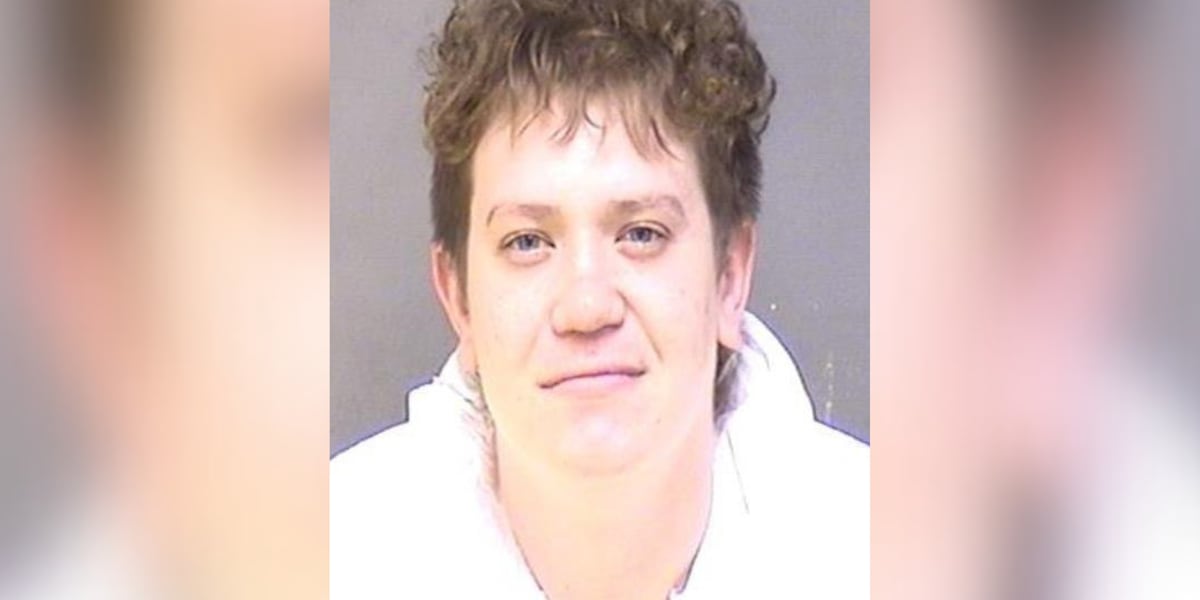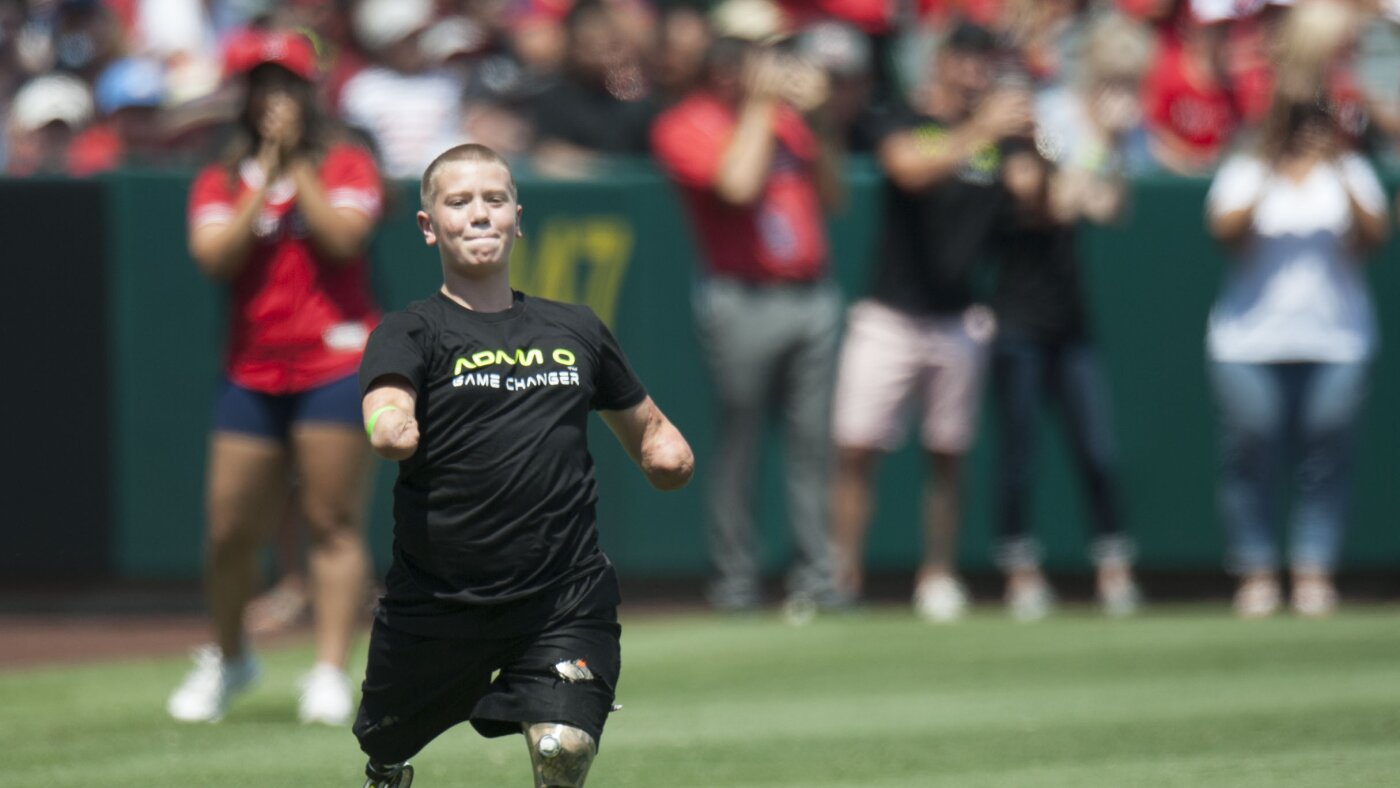
The arrest of Dayton James Webber for first-degree murder introduces a complex confluence of criminal jurisprudence, forensic mechanics, and professional sports liability. The incident, originating in La Plata, Maryland, and concluding with a multi-state pursuit into Albemarle County, Virginia, necessitates a rigorous evaluation of interstate extradition frameworks and the operational feasibility of the alleged crime. This case transcends standard criminal reporting, challenging forensic narratives and placing unprecedented pressure on the professional cornhole circuit’s risk management protocols.
Interstate Extradition and Jurisdictional Friction
The transition of this case from a local homicide investigation to a multi-jurisdictional administrative process was triggered by the suspect’s flight across state lines. Apprehended in Virginia for a capital offense committed in Maryland, Webber’s status as a ‘fugitive from justice’ invoked formal protocols governed by the Uniform Criminal Extradition Act (UCEA). This legal mechanism ensures constitutional protections remain intact while facilitating the transfer of custody between sovereign state powers.
The procedural delay observed in the Albemarle General District Court reflects the necessary administrative synchronization between the Commonwealth of Virginia and Maryland authorities. A governor’s warrant is typically required to finalize such transfers, adding a layer of executive oversight to the judicial process. This phase is less concerned with the substantive facts of the shooting and more focused on the integrity of the interstate judicial chain of custody, ensuring the defendant is legally remanded to the jurisdiction where the primary offense occurred.
Forensic Reconstruction and Operational Functionality
A central pillar of the prosecution’s case involves reconciling the suspect’s physical profile as a quadruple amputee with the mechanics of the alleged violent act. Forensic experts must conduct a detailed reconstruction of the vehicle’s interior to determine the ergonomics of firearm discharge and handling. Establishing the ‘operational functionality’ of the suspect—specifically the ability to operate a motor vehicle over a 100-mile distance immediately following a high-stress incident—is critical to proving premeditation and intent.
Witness testimony from the vehicle’s other occupants provides the Charles County Sheriff’s Office with a primary narrative, yet forensic ballistics must confirm the physical feasibility of these accounts. The investigation will likely scrutinize any specialized modifications to the vehicle and the specific motor skills required to execute the alleged shooting. For the defense, these physical constraints represent a significant avenue for challenging the prosecution’s narrative of the event’s mechanics.
Professional Sports Liability and Reputational Contagion
As a prominent figure in the professional cornhole circuit, Webber’s legal situation creates immediate financial and reputational exposure for the league and its commercial partners. Niche sports often leverage the unique personal narratives of their athletes to secure broadcasting and sponsorship deals. The involvement of a high-profile competitor in a murder investigation triggers ‘morality clauses’—standard contractual provisions that allow organizations to sever ties to mitigate brand damage.
This case serves as a catalyst for professional athletic organizations to re-evaluate their risk management frameworks. The potential for ‘reputational contagion’—where the actions of a single athlete devalue the entire sport—necessitates rapid, decisive institutional responses. Beyond immediate terminations, the league faces the strategic challenge of managing internal culture and public relations while the judicial process unfolds under national media scrutiny.
Evidentiary Dynamics and Witness Reliability
The refusal of the backseat passengers to assist in the disposal of the victim’s body is a pivotal evidentiary development. Their decision to depart the vehicle and seek safety provides the prosecution with a narrative of unilateral action by the suspect. However, the prior relationship between all parties in the vehicle necessitates a thorough vetting of witness credibility to ensure testimony is not influenced by external pressures or potential accomplice liability concerns.
The logistics of processing two distinct crime scenes—the site of the initial shooting and the secondary location where the victim was discovered—require intensive forensic resources and inter-agency cooperation. The success of the eventual trial in Maryland will depend on the seamless integration of this physical evidence with the eyewitness accounts, building a comprehensive timeline that accounts for the suspect’s movements from the moment of the shooting to his apprehension in Virginia.