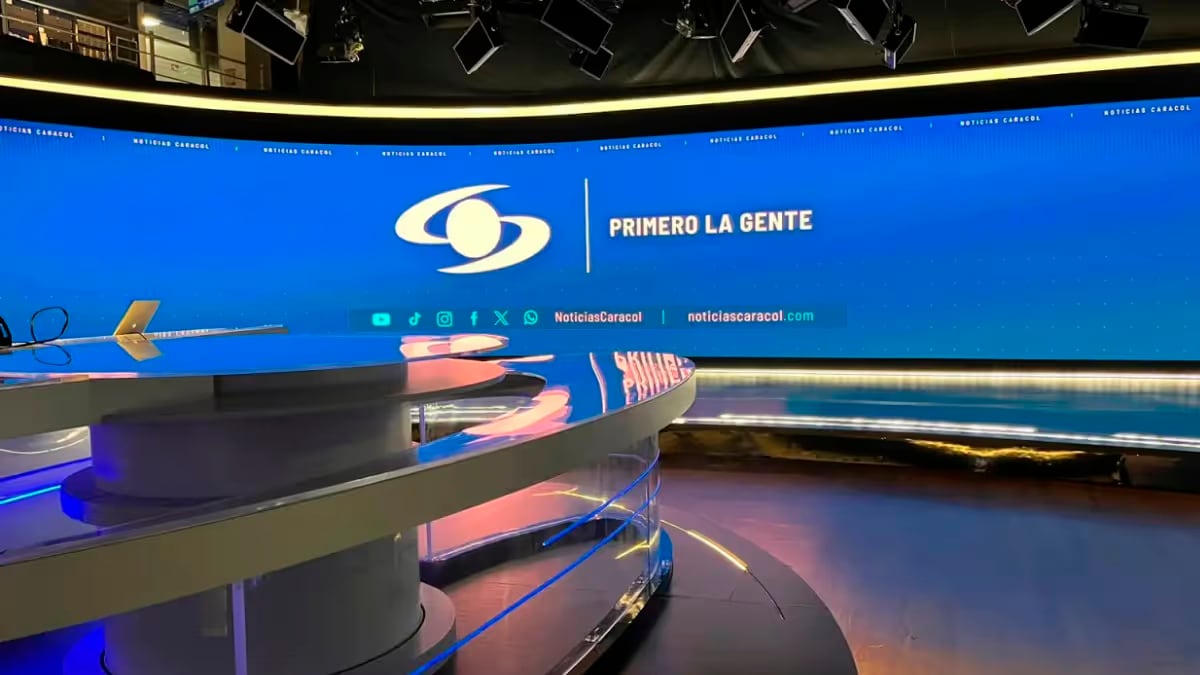
Caracol Televisión Investigates Harassment Claims, Catalyzing Industry-Wide Reckoning
Caracol Televisión has initiated internal legal protocols in response to sexual harassment allegations against two of its prominent presenters. This action has catalyzed a broader movement within Colombian journalism, with numerous female journalists and presenters sharing their experiences online under hashtags like #YoTeCreoColega and #MeTooColombia, demanding systemic change.
Juan Roberto Vargas, director of Noticias Caracol, publicly affirmed the station’s commitment to supporting victims, characterizing the situation as a “painful and sad fact” necessitating “determination, decency, and rigor.” This official stance signifies institutional acknowledgment of the severity of the claims and a commitment to procedural response, moving beyond public relations to concrete internal action.
Systemic Vulnerabilities Exposed in Media Handling of Harassment
The emergence of these allegations highlights systemic vulnerabilities within media organizations regarding the handling of harassment claims. The reliance on internal protocols, while a necessary first step, raises questions about the adequacy of existing safeguards and the potential for power imbalances to impede genuine accountability. The widespread adoption of #MeToo hashtags indicates a significant breakdown in trust and a demand for robust external validation and protection mechanisms.
Caracol Televisión’s strategic decision to publicly announce its activation of legal protocols is significant. It addresses the immediate crisis and sets a precedent for other media outlets in Colombia. This transparency, though reactive, exposes the industry to scrutiny and pressures competitors to adopt similar measures, potentially altering operational landscapes for talent management and internal grievance procedures.
Stakeholder Impact and Shifting Power Dynamics in Journalism
The impact extends across multiple stakeholder groups: the accused presenters, alleged victims, the employing organization, and the broader journalistic community. For the accused, allegations carry significant reputational and professional risk. For victims, the public nature of the movement offers a platform for validation and collective action, but also exposes them to potential retaliation or re-victimization.
Caracol Televisión navigates a delicate balance between corporate responsibility, legal obligations, and reputational management. Their response will significantly influence employee morale, public perception, and their ability to attract and retain talent. The movement itself represents a significant shift in power dynamics, empowering individuals to challenge established hierarchies and demand safer working environments, forcing a re-evaluation of workplace culture and governance.
#MeToo Movement as a Catalyst for Industry-Wide Ethical Reform
The #MeToo movement in Colombian journalism is more than a series of isolated incidents; it represents a potential inflection point for the industry’s ethical standards and operational practices. The collective voice amplified through social media demonstrates deep-seated dissatisfaction with past inaction and a demand for structural reforms. This pressure can compel media institutions to invest more heavily in robust anti-harassment policies, independent investigation mechanisms, and ongoing training programs.
Public engagement with these allegations, driven by social media, creates external oversight that traditional internal mechanisms may have lacked. This public accountability mechanism leverages reputational capital as a critical incentive for compliance and reform. The long-term consequence could be a more transparent and equitable media environment, contingent on ongoing advocacy and institutional adaptation.
Operational and Capital Implications of Workplace Culture Deficiencies
Operationally, media companies face increased scrutiny over human resources practices and internal reporting structures. The cost of implementing comprehensive compliance programs, legal defense, and potential settlements or damages represents significant financial exposure. This capital investment in rectifying systemic issues may divert resources from content production or expansion, impacting competitive positioning.
Furthermore, reputational damage associated with allegations can affect advertising revenue and investor confidence. Capital markets may begin to price in governance risks related to inadequate workplace protections, underscoring the imperative for media organizations to proactively address these issues to maintain market value and operational stability.
Deepening the Narrative: Addressing Cultural Norms and Power Structures
The current discourse necessitates a deeper exploration of the underlying cultural norms and power structures that enable harassment. The experience of Catalina Botero, who felt “revictimized and publicly exposed” after seeking help, highlights a critical failure in protective mechanisms. This points to a need for systemic interventions that address institutional environments where harassment can fester, beyond disciplinary actions against individuals.
Victims seeking help from “media outlets, executives, and political leaders” and being “heard but not protected” reveals a critical gap in institutional response. This inaction, described as “a form of violence,” suggests a pattern of passive complicity or systemic inertia that shields perpetrators and further traumatizes victims. The current wave of denunciations is about the broader failure of institutions to provide safe and supportive environments.
The Crucial Role of Media Institutions in Accountability
Caracol Televisión’s editorial, read by its director, marks a critical juncture where a major media entity publicly acknowledges a crisis and signals a commitment to action. This declaration addresses immediate allegations and positions the institution as a responsible actor. The director’s emphasis on “determination, decency, and rigor” suggests an awareness of the high stakes involved, not just legally, but in terms of public trust and journalistic integrity.
However, the effectiveness of these protocols hinges on their impartial and rigorous application. The narrative of being “heard but not protected” in past experiences indicates that the mere existence of protocols is insufficient. The true test lies in implementation, transparency of investigation, and demonstrable consequences for violations, influencing the broader industry’s approach.
Social Media as a Powerful Lever for Change and Solidarity
The hashtags #YoTeCreoColega and #MeTooColombia have transformed social media into a powerful platform for collective testimony and solidarity. Digital amplification allows individual experiences to coalesce into a significant social movement, bypassing traditional gatekeepers and demanding public attention. The rapid dissemination of these narratives creates sustained pressure on institutions to respond meaningfully, moving the issue from the private to the public domain.
This reliance on social media for accountability highlights a potential deficit in formal reporting and resolution mechanisms within the industry. While empowering for victims, it raises concerns about due process and unsubstantiated claims. Nevertheless, its efficacy in forcing institutional change is undeniable, as evidenced by Caracol Televisión’s immediate response.
Broader Industry Implications and Future Trajectories for Journalism Ethics
The reverberations of these allegations are likely to extend beyond Caracol Televisión, prompting a sector-wide re-evaluation of workplace conduct and reporting procedures. Competitors may face increased pressure from employees and the public to demonstrate similar commitments to safety and accountability, potentially leading to a race to implement more robust ethical frameworks and transparent HR practices.
The long-term consequence could be a fundamental shift in power dynamics within Colombian media, fostering a more equitable and respectful environment. However, this transformation is contingent on sustained vigilance from journalists, active participation from victims, and genuine, sustained commitment from media leadership to enact lasting structural and cultural changes. This moment offers a critical opportunity to address deeply entrenched issues, demanding tangible, systemic reform.
The Economic Undercurrent: Workplace Culture’s Impact on Profitability
The financial implications of failing to address workplace harassment are substantial. Beyond legal settlements and reputational damage, there are costs of reduced productivity, increased employee turnover, and difficulty attracting top talent. Toxic environments often suffer from lower morale, decreased creativity, and diminished innovation, eroding competitive edge.
For investors and advertisers, a media organization’s commitment to ethical conduct and a safe workplace is a key performance indicator. Organizations demonstrating strong governance may attract more capital and lucrative contracts, while failures risk alienating stakeholders and diminishing market valuation. This economic imperative pressures media institutions to prioritize and invest in a healthy organizational culture.
Overcoming Institutional Inertia: The Imperative for Rigor and Decency
The historical context of such allegations often reveals institutional inertia: reluctance to confront powerful individuals, prioritizing reputation over well-being, or lacking effective reporting mechanisms. The current situation directly challenges this inertia, with journalists demanding a departure from past practices.
The director’s call for “determination, decency, and rigor” acknowledges the need to overcome inertia. “Determination” implies a proactive, persistent approach. “Decency” emphasizes the ethical imperative of treating all parties with respect, especially victims. “Rigor” underscores thorough, unbiased, evidence-based processes, addressing root causes beyond superficial responses.
The Amplification Effect of Digital Platforms in Driving Accountability
The strategic use of social media by journalists to share experiences leverages digital reach for institutional accountability. Hashtags aggregate testimonies, creating a visible record of grievances. This digital aggregation transforms individual acts of courage into a collective force, influencing public opinion and corporate behavior.
This amplification effect is critical for modern advocacy. It allows rapid information dissemination and support mobilization, bypassing traditional media filters. The success of #MeToo Colombia demonstrates digital platforms’ power to disrupt established structures and force conversations previously confined to private or institutional spaces.
Navigating the Complex Legal and Ethical Landscape of Harassment Claims
The activation of legal protocols by Caracol Televisión marks a move into a more formal, potentially protracted phase. This involves navigating complex legal frameworks related to harassment, workplace conduct, and defamation. The outcomes will have significant legal ramifications for individuals and the organization.
Ethically, the situation demands fairness, transparency, and restorative justice. The challenge lies in balancing the rights of the accused with protecting victims and ensuring a safe working environment. Media reporting also carries an ethical responsibility to be accurate, sensitive, and to avoid further compromising privacy or dignity.
Breaking the Long Shadow of Silence: Violence in Inaction
Catalina Botero’s statement, “silence, that inaction, is also a form of violence,” indicts institutional failures. The problem is not just harassment but the systemic response (or lack thereof). A culture of silence can be perpetuated by fear of reprisal, lack of faith in reporting mechanisms, or a perception that these issues are not leadership priorities.
The current movement aims to break this cycle by encouraging collective testimony and demanding accountability. Journalists seek to create an environment where speaking out is safe and effective. This requires reorienting institutional priorities to place employee well-being and safety at the forefront of operational strategy.
Competitive Positioning in a Shifting Ethical Climate for Media
In a competitive media landscape, an organization’s ethical standing and commitment to employee welfare are significant differentiators. Media outlets perceived as safe and respectful workplaces attract higher-caliber talent and foster greater loyalty, leading to more robust journalism and innovation.
Conversely, organizations slow to adapt or implicated in misconduct scandals risk alienating audiences, advertisers, and potential employees. Reputational capital can be eroded quickly by mishandled crises. Proactive, genuine efforts to foster a positive culture are thus strategic necessities for long-term viability and competitive advantage.
The Interplay of Internal Protocols and External Scrutiny in Accountability
While internal protocols are essential, their effectiveness is often amplified or undermined by external scrutiny. The public nature of the #MeToo movement means Caracol Televisión’s actions are closely observed. This external pressure necessitates transparency and rigor beyond purely internal processes.
The success of internal processes will be judged by perceived fairness and ability to effect change. A perception of a whitewash or lack of accountability will fuel further public outcry and damage credibility. This interplay between internal procedures and external expectations defines how modern organizations are held accountable.
Addressing the Enduring Challenge of Power Imbalances in Journalism
The core of many harassment allegations lies in inherent power imbalances within hierarchical media organizations. Senior figures’ influence over junior staff careers creates risks for reporting misconduct. The current movement directly challenges these entrenched power structures, seeking to level the playing field.
Addressing these imbalances requires more than policy changes; it demands a cultural shift empowering all employees to speak up without fear. This involves fostering a leadership ethos that actively solicits feedback, encourages dissent, and demonstrates unwavering support for those reporting wrongdoing. Long-term success hinges on dismantling systemic power disparities.
Cultural Transformation as a Strategic Imperative for Colombian Journalism
The current crisis offers an opportunity for Colombian journalism to undergo significant cultural transformation. This involves moving from a potentially insular, hierarchical culture to one that is more inclusive, equitable, and transparent. Such a shift is a strategic imperative for the industry’s future relevance and sustainability.
The adoption of hashtags like #YoTeCreoColega signifies a desire for solidarity among journalists, recognizing that the profession’s health depends on its members’ well-being. This collective consciousness is a powerful catalyst for change, pushing the industry toward a future where ethical conduct and respect are foundational principles.