The Strategic Paradox of Low-Barrier Mental Health Access
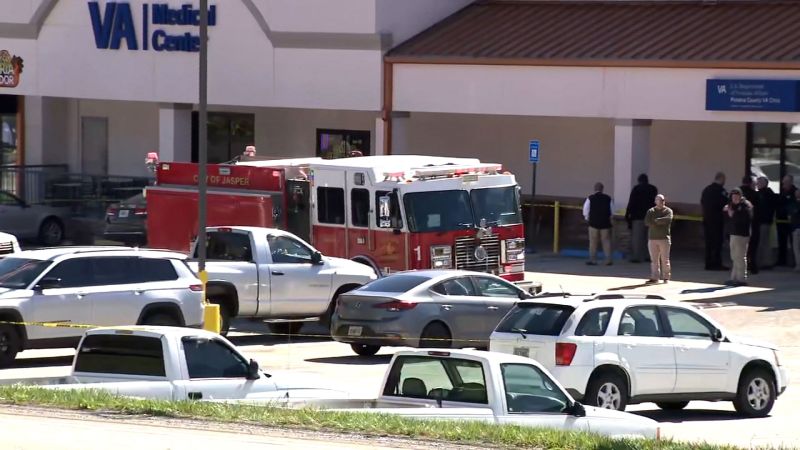
The fatal shooting of Nicholas Crews at the Pickens County VA Clinic in Jasper, Georgia, serves as a grim case study in the operational risks inherent to the Department of Veterans Affairs’ (VA) open-access model. Crews, a clinical social worker and case manager, was operating in a high-acuity role designed to provide immediate intervention for walk-in consultations. While this model is essential for lowering the threshold for suicide prevention, it creates a systemic vulnerability by bypassing the rigorous pre-screening associated with appointment-based clinical settings.
Structural Security Gaps in Satellite Facilities
The presence of the suspect, Lawrence Charles Michels, for a walk-in consultation highlights a physical security deficit common in rural satellite clinics. Unlike centralized VA medical centers, these decentralized outposts often prioritize patient flow and community integration over intensive security cordons. This layout effectively places front-line staff in direct, unbuffered contact with individuals in acute crisis, illustrating a misalignment between clinical mission and physical protection.
Impact on Rural Human Capital and Recruitment
The loss of a specialized provider like Crews represents a significant depletion of human capital within the VA’s rural health infrastructure. Rural mental health recruitment is already burdened by geographic scarcity and competitive disadvantage; high-profile violent incidents exert a chilling effect on the labor market. This complicates the VA’s ability to staff decentralized networks, potentially leading to long-term service gaps for vulnerable veteran populations in the North Georgia region.
Jurisdictional Complexity and Emergency Response
The transition from a clinical emergency to a tactical engagement involving the Jasper Police, GBI, and FBI underscores the jurisdictional complexity of federal facility security. Because rural sites often lack a permanent, armed federal police presence, they rely on municipal law enforcement for immediate response. This reliance necessitates sophisticated inter-agency communication and training protocols, as any latency in response times can result in catastrophic outcomes during active-threat scenarios.
Operational Consequences of Investigative Closures
The temporary closure of the Jasper facility for investigative and psychological recovery protocols triggers a cascade of administrative and clinical disruptions. For a rural demographic, the loss of the only local resource forces a shift toward telehealth or distant centers, potentially alienating veterans who lack digital literacy or transportation. Furthermore, the fiscal strain of investigation, facility hardening, and crisis counseling creates unbudgeted pressures on regional healthcare budgets.
Policy Implications for Workplace Safety
This tragedy necessitates a re-evaluation of the ‘welcoming environment’ mandate. Institutional leaders face a strategic trade-off: implementing more restrictive entry protocols, such as magnetometers or increased armed presence, may deter veterans from seeking care, yet maintaining the status quo leaves providers exposed. Future VA policy must balance clinical efficacy with enhanced behavioral threat assessment teams to protect those dedicated to veteran crisis intervention.