The Strategic Erosion of Celtic’s Goalkeeping Hierarchy
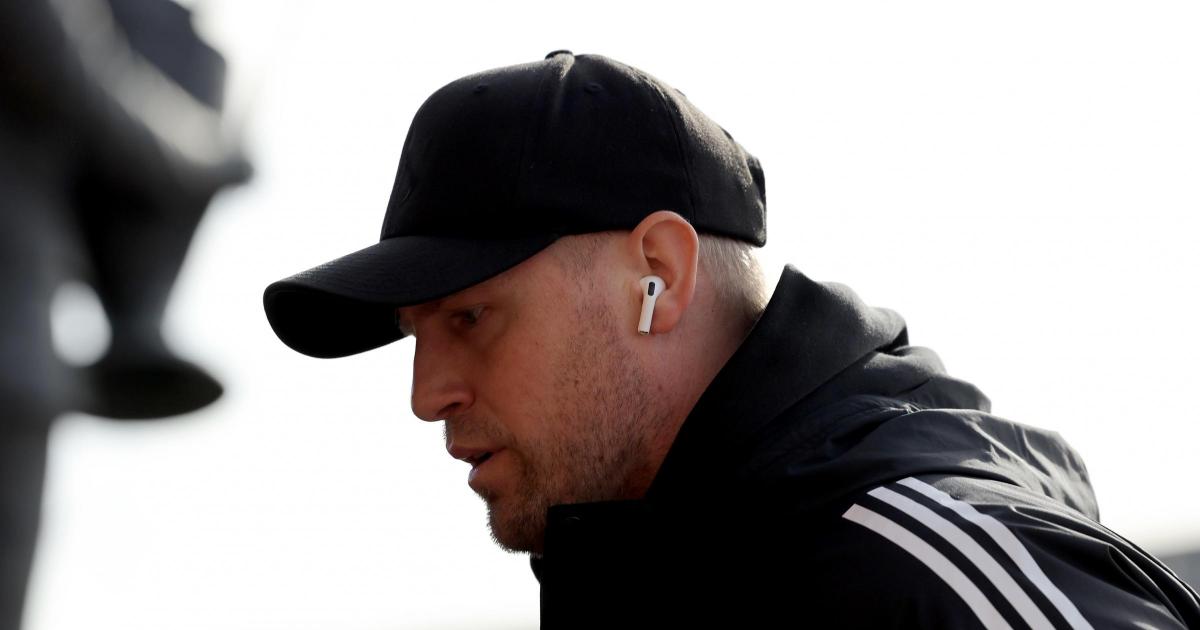
The transition of Kasper Schmeichel from a championship-winning cornerstone to a secondary option at Celtic Park signifies a profound shift in the club’s risk-mitigation strategy. This regression is not merely a function of chronological age; it is a complex outcome of physiological setbacks and a volatile institutional environment that has disrupted defensive continuity.
Statistical Decay: Quantifying the Performance Gap
Granular performance metrics reveal a sharp deviation from the benchmarks established during Schmeichel’s debut season under Brendan Rodgers. A decrease in save percentage from 78.7% to 74.4% represents a critical loss of efficiency. This decline directly correlates with a 66% increase in goals conceded per 90 minutes, which escalated from 0.6 to 1.0. Such a spike fundamentally compromises Celtic’s tactical leverage in both domestic and European fixtures.
Despite facing a comparable shot volume, Schmeichel’s total saves dropped from 73 to 64. This trend highlights a diminished reactive capacity, suggesting the veteran is struggling with the positioning and agility required to compensate for structural lapses in the back four.
Pathological Context: The Mechanics of Injury
The revelation of a shoulder dislocation sustained during international duty provides the necessary physiological context for this slump. For goalkeepers, shoulder instability is debilitating, compromising explosive reach and parry strength. These lingering effects often lead to subtle mechanical compensations that degrade performance over time, effectively narrowing Schmeichel’s window of peak utility in the Scottish Premiership.
Managerial Volatility and Defensive Exposure
The goalkeeping department has been further destabilized by the coaching carousel at Celtic Park. The transition from Brendan Rodgers to interim leadership under Martin O’Neill, followed by Wilfried Nancy’s brief tenure and O’Neill’s subsequent return, created a vacuum of tactical cohesion. This constant shift in defensive philosophy left Schmeichel exposed, as the protective layers of the midfield and defense fluctuated in effectiveness throughout the campaign.
The Sinisalo Pivot: Sustainable Asset Management
The elevation of Viljami Sinisalo to the starting role represents a pragmatic reorientation toward long-term stability. By integrating a younger, more physically resilient asset, the Celtic hierarchy is hedging against Schmeichel’s injury risks. Sinisalo offers a more predictable performance profile, essential for a club navigating a period of high-stakes domestic competition.
The Denmark Dilemma and Elite Accountability
Schmeichel’s club-level struggles have eroded his standing with the Danish national team. Critiques from figures like Thomas Gravesen suggest a growing consensus that the traditional hierarchy is no longer tenable. This international scrutiny mirrors the ‘comparative ruthlessness’ seen at other elite clubs—such as Tottenham’s immediate benching of Antonin Kinsky following tactical errors—where sentimentality is sacrificed for performance-based results.
Conclusion: Institutional Consequences
The decline in goalkeeping reliability contributed significantly to Celtic’s exit from the Scottish League Cup and their fluctuating league form. Moving forward, the club must prioritize the development of Sinisalo to restore defensive equilibrium. For Schmeichel, the dual pressures of physical limitations and statistical regression signal the conclusion of a significant era at Parkhead.