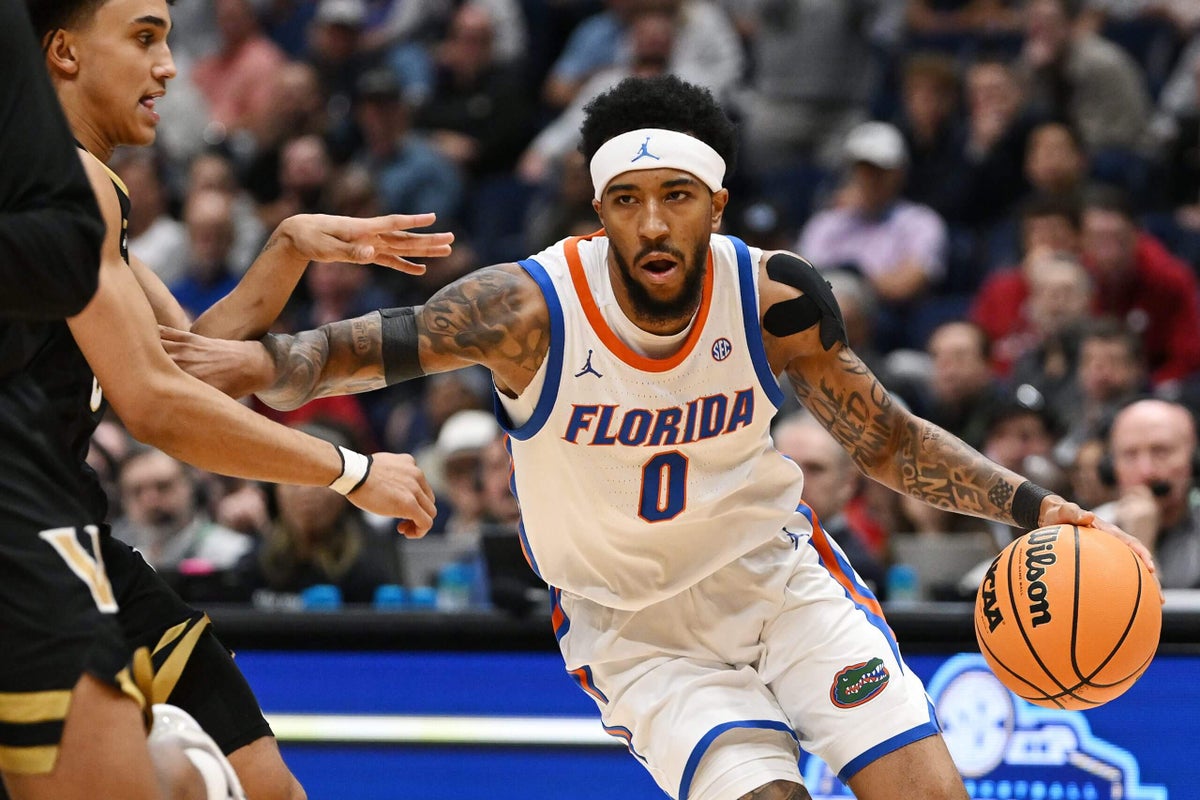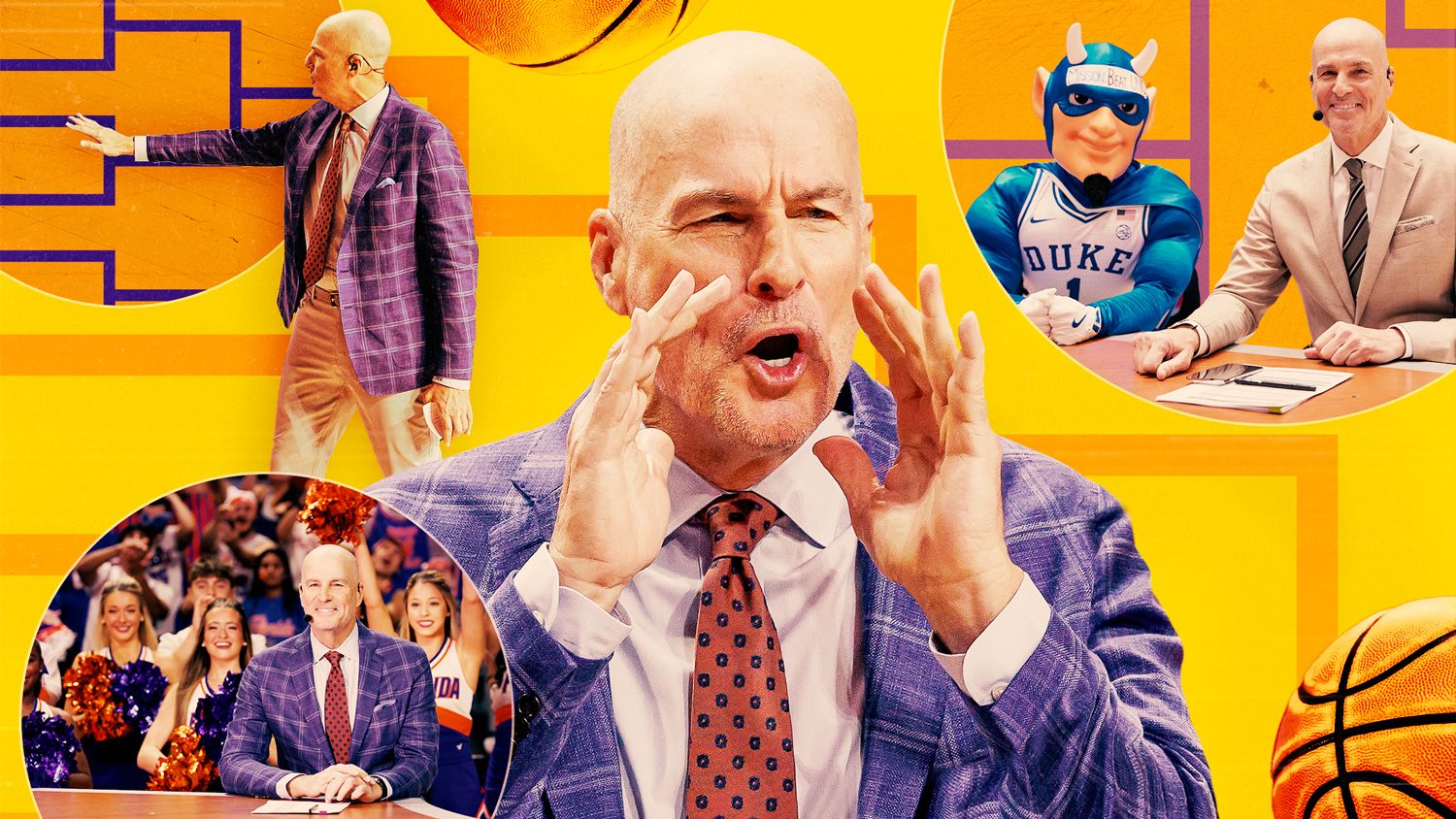
The activation of the 2026 NCAA Tournament field on March 15 transcends seasonal ritual, triggering a high-velocity media and gaming apparatus. As the selection committee formalizes the 68-team bracket, the transition from conference championships—specifically the SEC finale in Nashville—to the national stage necessitates an immediate synthesis of complex data. For broadcasters like CBS and ESPN, this compressed operational window demands the transformation of raw athletic metrics into actionable consumer narratives within minutes.
The Institutionalization of Real-Time Analysis
The structural requirement for analysts to dissect a 68-team field in under five minutes during live broadcasts prioritizes immediate engagement over longitudinal study. This constraint dictates that initial market reactions are driven by expert heuristics and historical patterns rather than exhaustive statistical modeling. For stakeholders, this creates a volatile information environment where early narratives—often established within hours of Selection Sunday—heavily influence the trajectory of betting capital and public sentiment.
Benchmarking against the 2025 tournament, which saw a return to ‘chalk’ dominance with four No. 1 seeds reaching the Final Four and a Florida-Houston championship, the 2026 field faces a pivot point. While 2025 validated the power of elite programs, 2026 enters a phase of perceived systemic instability. Veteran analysts suggest the gap between the top tier and the ‘middle class’ of college basketball is narrowing, implying that the competitive leverage traditionally held by top seeds may be erodible through tactical innovation and roster depth.
Broadcast Logistics and Temporal Revenue Windows
The 2026 schedule is a masterpiece of temporal engineering designed to maximize viewership across specific demographic peaks. Beginning with the First Four (March 17-18) and escalating through the high-density opening weekend (March 19-20), the tournament utilizes a staggered rollout to maintain momentum. This concentration of games represents the apex of consumer engagement, testing the limits of digital streaming infrastructure and broadcast bandwidth.
The culmination of the tournament at Lucas Oil Stadium in Indianapolis (April 4 and 6) reflects a strategic rotation of media rights to TBS. By centralizing the Final Four in a proven logistical hub, the NCAA minimizes travel-related variables and maximizes brand stability for its most valuable assets. The championship’s Monday night slot (8:30 p.m. ET) remains a cornerstone of the financial model, ensuring a standalone commercial window that avoids weekend competition and optimizes advertising inventory for corporate partners.
Strategic Game Theory in Bracket Construction
Successful bracket completion in 2026 requires an understanding of stochastic modeling and population tendencies. In large-scale pools, participants are incentivized toward contrarianism; picking favorites in a saturated field mathematically reduces the probability of a unique winning outcome. Conversely, smaller pools reward conservative strategies where adherence to high seeds minimizes the risk of catastrophic early elimination.
Regional biases surrounding programs like Duke, Michigan, Arizona, or Florida create market inefficiencies. When local fandoms over-leverage a specific team, the strategic value of ‘fading the public’ increases. This disciplined approach allows participants to capitalize on emotional or geographic biases. Furthermore, the 2026 outlook suggests that identifying ‘Cinderella’ candidates is increasingly difficult, as parity has flattened the talent curve, making the distinction between an upset and an expected outcome increasingly blurry.
Macro-Economic Implications for Institutions
The 2026 tournament serves as the primary fiscal engine for the collegiate ecosystem. Revenue distribution is tied to conference performance through ‘units,’ where every game played generates multi-year financial payouts. This creates a high-stakes environment where a single victory influences coaching budgets, recruitment infrastructure, and facility upgrades for entire leagues. Beyond direct media revenue, host cities like Nashville and Indianapolis experience significant service-sector stimulation, reinforcing the tournament’s status as a premier economic event.
Ultimately, the 2026 NCAA Tournament is defined by the intersection of coaching flexibility and tactical depth. In an era of unprecedented roster volatility and talent parity, the ability to execute mid-game adjustments in a single-elimination format remains the ultimate differentiator. As the road to Indianapolis begins, the focus shifts to which programs can maintain operational excellence under the most intense scrutiny in global sports.