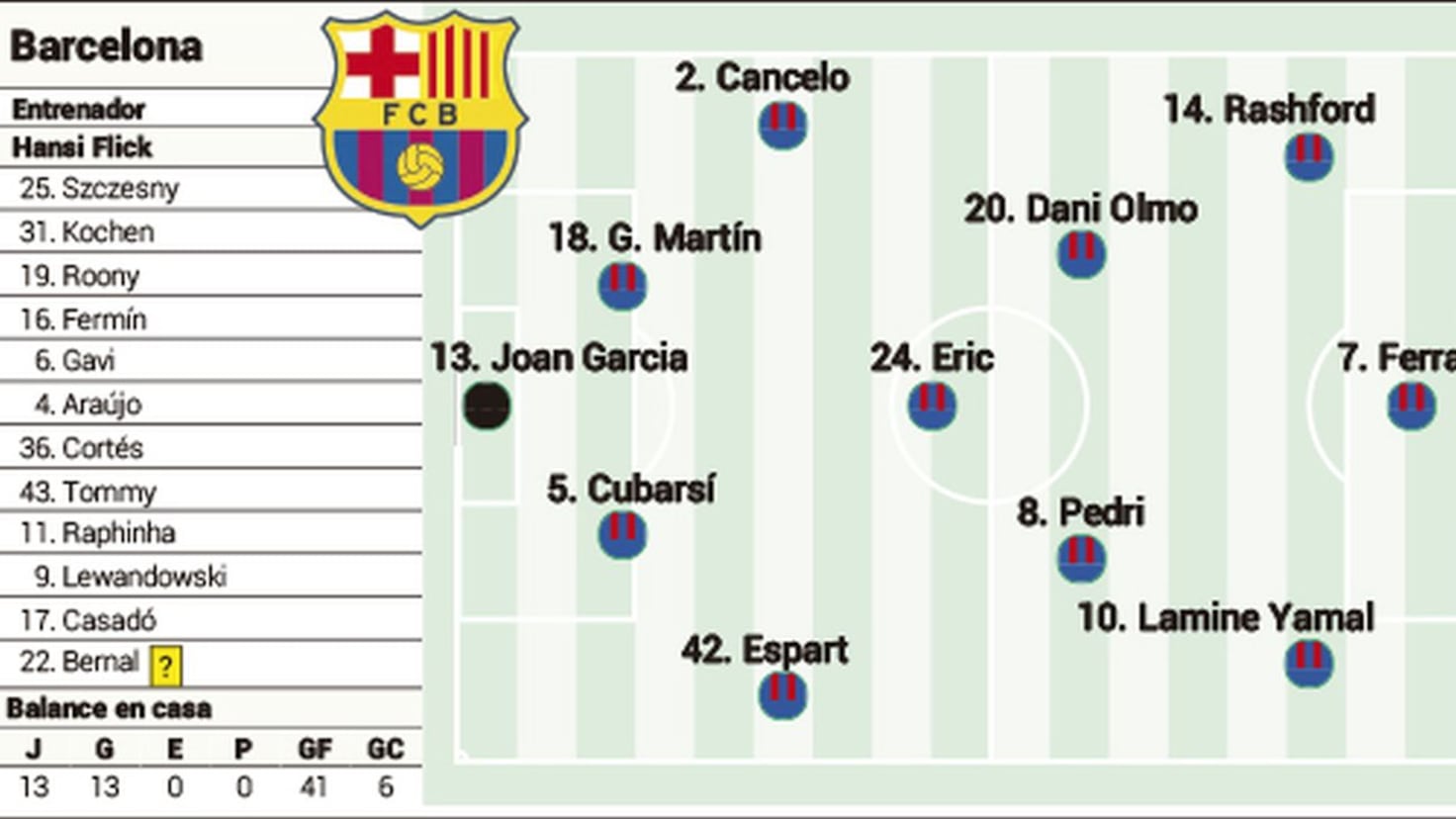
The tactical landscape of LaLiga Matchday 28 is defined by Hansi Flick’s calculated risk management as FC Barcelona hosts Sevilla. While the Catalan side maintains a lead over Real Madrid at the domestic summit, the proximity of a decisive UEFA Champions League return leg against Newcastle has forced a significant recalibration of the starting eleven. This strategic pivot reflects an institutional priority: securing European progression without compromising domestic momentum.
The Defensive Calculus
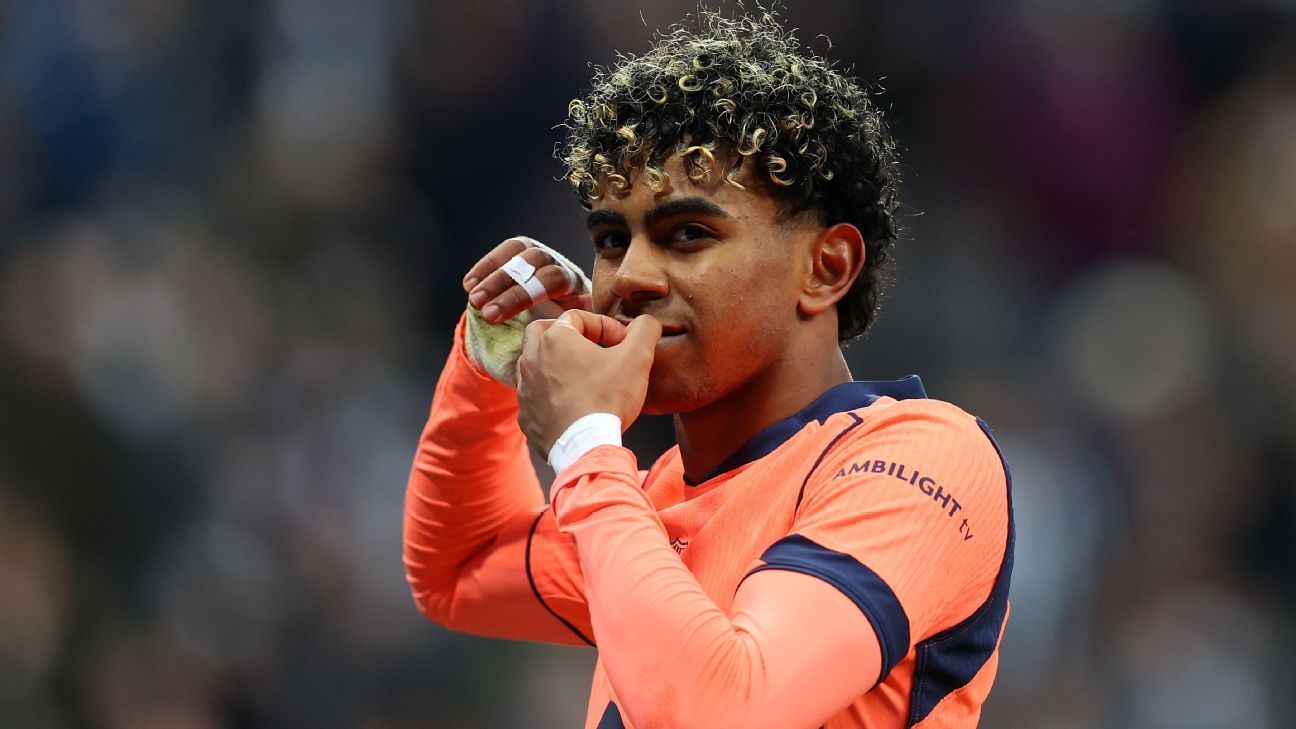
Flick’s decision to implement widespread rotations signals a departure from rigid selection patterns. By benching Lamine Yamal, the technical staff is actively managing the physical load of a high-value asset whose explosive playstyle carries a heightened risk of fatigue-related injury. The inclusion of Xavi Espart at right-back further validates the club’s developmental pipeline; following a positive debut in Newcastle, Espart’s promotion provides essential rest for veterans while maintaining the team’s high-intensity pressing system.
In the heart of the defense, the partnership of Pau Cubarsí and Gerard Martín represents a shift in build-up dynamics. Cubarsí remains the primary ball-distributor, essential for bypassing Sevilla’s expected mid-block. Meanwhile, Martín’s consistency this season has earned him the starting role over Eric García, who remains a secondary option. In goal, Joan García faces intense scrutiny; his ability to stabilize a modified defensive line is paramount to maintaining institutional trust during this critical juncture.
Midfield Integration and Gavi’s Return
The most significant narrative development is the medical clearance of Gavi. His availability after a prolonged absence provides a psychological boost, yet Flick’s commitment to caution reflects a sophisticated understanding of sports science. The club is prioritizing a gradual ramp-up to peak performance rather than seeking immediate, short-term impact. Tactically, the midfield must now balance creative output with the defensive stability required to neutralize Sevilla’s counter-attacks.
With Joao Cancelo shifting to left-back, Barcelona gains an inverted playmaker who can occupy half-spaces, providing ball progression even in the absence of Yamal. This flexibility allows the offensive unit—spearheaded by Robert Lewandowski and supported by Raphinha and the Swedish winger Roony—to exploit Sevilla’s defensive vulnerabilities. Roony’s inclusion suggests a preference for directness and width, aiming to stretch the backline and create pockets of space for Lewandowski.
Sevilla’s Resurgence as a Competitive Litmus Test
Sevilla arrives at the Camp Nou riding a five-match unbeaten streak. While positioned in the lower half of the table, their stabilized defensive structure makes them a statistically dangerous opponent. For the visitors, this fixture is a low-risk, high-reward opportunity to secure a ‘statement victory’ that could alter their psychological trajectory for the season’s remainder.
The match serves as a battle between tactical discipline and individual depth. Sevilla will likely attempt to frustrate Barcelona’s build-up and exploit potential lack of chemistry in a rotated backline. Consequently, the performance of the rotated squad will be a definitive statement on the resilience of Flick’s project. A victory would reinforce the narrative of a revitalized Barcelona capable of multi-front competition, whereas any dropped points would intensify the pressure on the upcoming European fixture.