Nottingham Forest hosts Fulham at the City Ground facing an existential Premier League fixture immediately following a detrimental European setback against Midtjylland. This concentrated schedule exposes the critical conflict between European participation and domestic survival, marked by a stark seven-match winless streak in the Premier League.
Strategic Dissonance: European Ambition vs. Domestic Collapse
Currently occupying 18th position with 28 points, Forest has officially slipped into the relegation zone. This precarious league status directly compromises their ability to sustain a high-stakes Europa League Round of 16 campaign, straining squad depth and strategic bandwidth.
The recent 1-0 home loss to Midtjylland in the UEL first leg compounds the domestic malaise, resulting in four defeats across Forest’s last five total fixtures. This trajectory indicates systemic issues in maintaining competitive intensity across disparate competition structures, pointing toward deficiencies beyond mere fixture congestion.
Quantifying the Domestic Deficit and Relegation Exposure
Forest’s last Premier League victory dates back to December, establishing a quantifiable domestic performance deficit spanning six league matches. This extended winless sequence places immense pressure on the current structure to immediately stabilize, as relegation proximity directly impacts future revenue projections and asset valuations.
Fulham arrives possessing a clear historical advantage, having won the last three head-to-head encounters, including a 1-0 result earlier this season. Overcoming this specific tactical and psychological hurdle is non-negotiable for shifting the momentum in Forest’s survival effort.
Mid-Table Security Versus Existential Threat Metrics
Fulham (12th, 40 points) maintains significant operational latitude, their mid-table security insulating them from the structural consequences of relegation. Their recent 1-0 loss to West Ham is a minor deviation from a stable strategic outlook.
Conversely, Fulham’s own constraint is poor away form, registering only one road victory in the 2026 calendar year. This vulnerability in travel performance represents a tangible opportunity Forest must exploit to accumulate necessary survival points.
Personnel Deployment: Balancing Fatigue and Necessity
The starting XI selections reflect calculated trade-offs between managing fatigue from the midweek European tie and the immediate imperative for league points. Forest fields Sels; Aina, Williams, Murillo, and Milenkovic in defense; Sangare, Anderson, and Dominguez centrally; feeding Gibbs-White, Hudson-Odoi, and Jesus in attack.
Fulham counters with Leno; Tete, Andersen, Bassey, and Robinson defensively; a midfield of Berge, Iwobi, and King; supporting Wilson, Bobb, and Jimenez offensively. The midfield battle—Sangare/Anderson/Dominguez vs. Fulham’s trio—will determine possession control, crucial for preventing Forest from being pinned back under pressure.
Financial Indicators: Betting Markets as Performance Barometers
The availability of betting odds translates institutional and analytical confidence into quantifiable market prices, reflecting the probability of Forest breaking their cycle against Fulham’s head-to-head dominance. For stakeholders, these odds offer a real-time risk indicator concerning relegation-triggered contract clauses and future broadcasting revenue downgrades.
Operational Constraints and Venue Expectation
The City Ground fixture is critical, as home results are the foundation of survival campaigns. Forest’s failure to secure a league win since December at home highlights a critical operational gap in converting venue advantage into points, making this Sunday fixture a mandatory performance recovery point. The administrative burden increases exponentially with sustained underperformance, forcing contingency planning reliant on top-flight revenue streams.
The Stakes: Decisive Action Over Stylistic Development
While Fulham can afford long-term squad integration experiments, Forest’s focus is singularly short-term: survival. This necessitates pragmatic, results-oriented football over expansive development. The leadership’s ability to manage this immediate crisis without damaging the long-term strategic vision is the central institutional challenge.
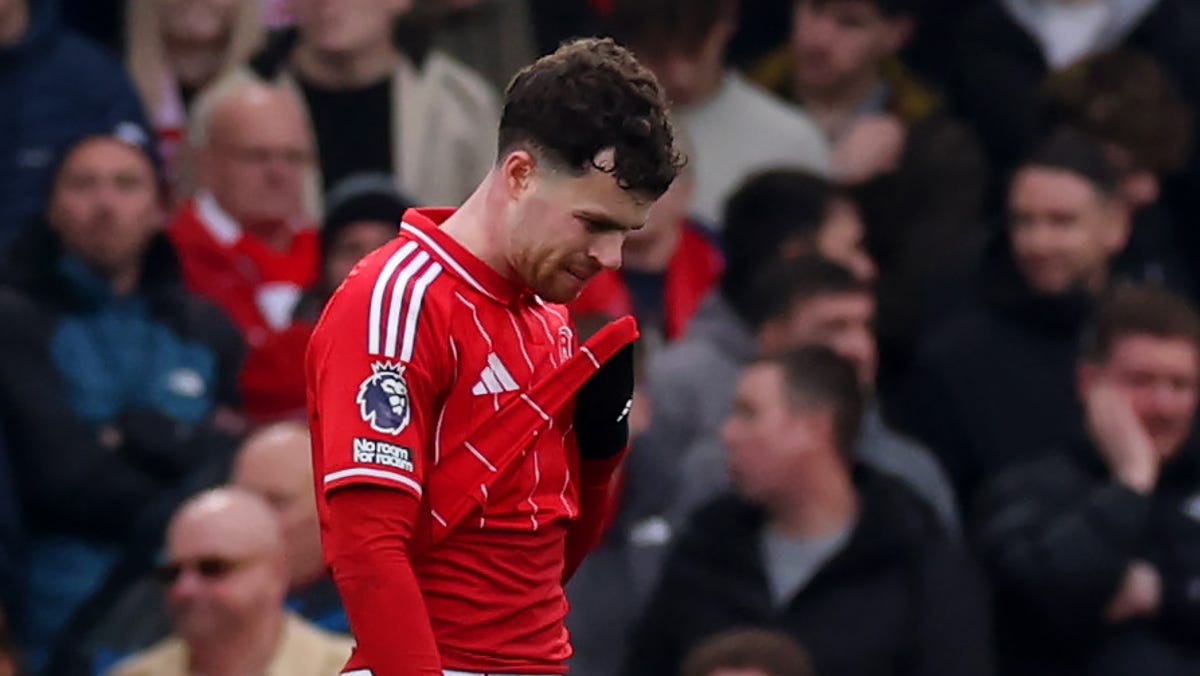
Key offensive assets like Gibbs-White must immediately transition into decisive match-winners, as collective output has been insufficient. The entire structure hinges on generating a performance that definitively defies recent negative trend lines across all competitions.