Major Storm System Targets Central and Eastern U.S. with Historic Impact
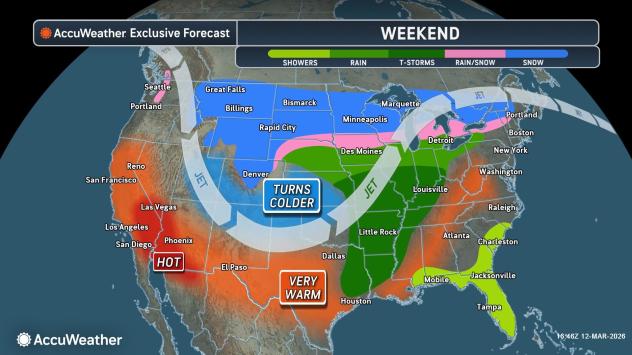
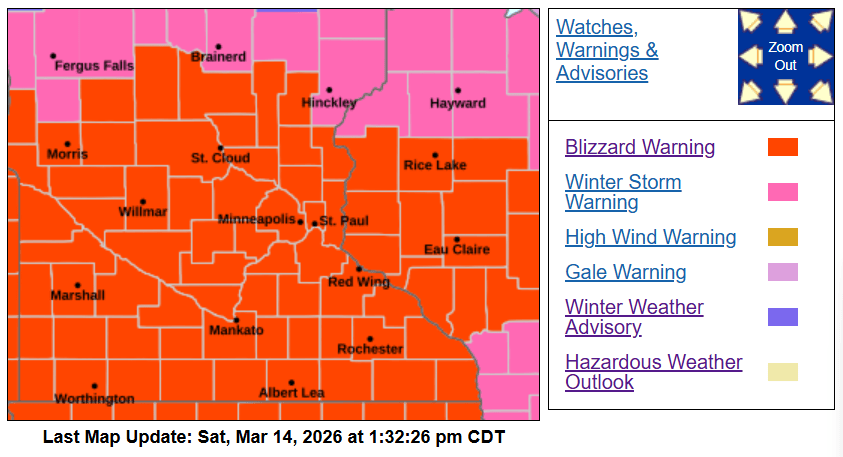
A powerful storm system is rapidly intensifying and expanding across the central United States, projected to bring significant disruptions from Sunday into Monday. The Upper Midwest faces blizzard conditions and high winds, while southern and eastern regions are bracing for severe thunderstorms, heavy rain, and gusty winds. This event is among the most impactful weather systems anticipated for the year, with its broad reach potentially affecting regions encompassing nearly 200 million individuals across the central and eastern U.S.
Bomb Cyclone Dynamics and Multi-Source Moisture Feed
Meteorological analysis indicates a strong potential for the storm to develop into a ‘bomb cyclone,’ characterized by a rapid pressure drop of at least 24 millibars in 24 hours. This rapid cyclogenesis will fuel an expansive and intense wind field. The storm’s development is attributed to a complex interplay of atmospheric moisture sources, drawing significant moisture from the Pacific and subsequently tapping into reserves from the Gulf of Mexico and the Atlantic Ocean as it progresses northeastward. This multi-source moisture intake is critical for its intensification and broad impact.
Operational and Infrastructure Vulnerabilities Exposed
Near-blizzard travel conditions, with wind gusts potentially reaching 45-55 mph, are projected for areas like the Twin Cities, posing significant threats to transportation networks. This includes anticipated road closures, flight cancellations, and disruptions to freight movement, with cascading effects on supply chains and economic activity. The scale of this event necessitates robust emergency response and infrastructure preparedness, including pre-positioning of resources, to mitigate impacts on public safety and essential services. The potential for widespread power outages due to high winds and heavy snow also highlights the vulnerability of energy grids to extreme weather.
Economic and Social Repercussions on a Grand Scale
The widespread disruptions affecting nearly 200 million people carry substantial economic implications beyond immediate storm damage and emergency response costs. Expected consequences include lost productivity, delayed business operations, and increased insurance claims. The agricultural sector in the Midwest faces considerable risks of crop damage and livestock exposure. Socially, the storm could lead to resident displacement, strain community resources, and heighten public safety concerns. This convergence of severe weather underscores the urgent need for resilient infrastructure and effective disaster preparedness against escalating climate-related risks.
Strategic Preparedness and Evolving Risk Management
The ‘historic’ nature of this March storm signifies an alarming pattern of increasing weather event severity, demanding a re-evaluation of strategic preparedness and risk management. Governmental bodies must prioritize investments in resilient infrastructure and advanced warning systems. Private sector entities need to enhance business continuity planning and supply chain diversification. The meteorological indicators, including the bomb cyclone potential, highlight the necessity for sophisticated forecasting and rapid response capabilities. This event serves as a critical case study for adapting to the evolving landscape of extreme weather.
Media Framing and Public Safety Communication
The characterization of the storm as ‘historic’ and potentially a ‘megastorm’ by forecasters and media is crucial for shaping public perception and driving preparedness actions. This framing signals the event’s severity and potential for widespread impact, encouraging adherence to safety advisories. The media’s role in disseminating accurate, timely information—from blizzard warnings to bomb cyclone analyses—is paramount in influencing public behavior and mitigating harm, illustrating the symbiotic relationship between scientific forecasting, media communication, and public safety.
Institutional Coordination for Enhanced Resilience
Effective management of a storm of this magnitude requires seamless coordination among federal, state, and local emergency management agencies, alongside private sector partners. The National Weather Service’s warnings are central to initiating response protocols across jurisdictions. Operationalizing emergency response plans, from resource allocation to public communication, depends on established inter-agency agreements and clear command structures. Success is measured by the ability to minimize loss of life, reduce property damage, and efficiently restore essential services, highlighting the importance of robust institutional frameworks for disaster resilience.
Capital Allocation and Infrastructure Investment in Climate Resilience
The recurring and increasing severity of extreme weather events mandates a strategic reassessment of capital allocation toward infrastructure resilience. Upgrading power grids, transportation networks, and communication systems to withstand severe weather is increasingly critical for economic stability and public safety. Financial implications extend to insurance markets, where increased claim frequency and severity can lead to higher premiums and shifts in risk appetite. Businesses and municipalities must integrate escalating weather-related risks into long-term financial planning, potentially driving innovation in climate-resilient technologies and construction practices.
Global Context of Interconnected Weather Systems
While this event is domestic to the U.S., its underlying atmospheric dynamics are linked to global weather patterns and moisture sources. The intensification of such storms can be indirectly correlated with broader climatic shifts, underscoring the interconnectedness of global weather systems. Understanding these large-scale phenomena is essential for developing comprehensive strategies addressing both regional impacts and long-term global climate challenges, necessitating international cooperation in climate research and mitigation.