
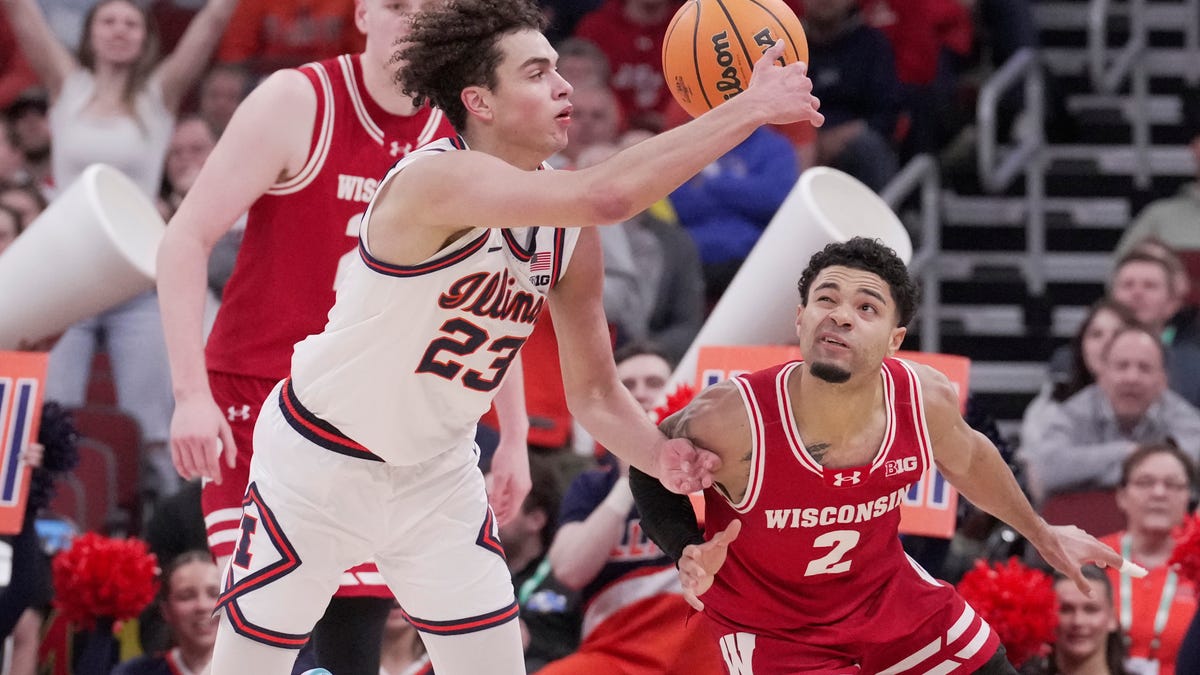
The competitive landscape of the Big Ten Tournament shifted significantly on March 13, 2026, as No. 23 Wisconsin orchestrated a 91-88 overtime upset against No. 9 Illinois. This quarterfinal matchup at Chicago’s United Center serves as a definitive case study in late-game operational resilience, with the Badgers mitigating a 15-point second-half deficit to secure their sixth double-digit comeback of the 2025-2026 campaign.
Offensive Efficiency and Scoring Concentration
Wisconsin’s tactical reversal was fueled by a substantial disparity in field goal efficiency. The Badgers converted 50% (35-70) of their attempts, effectively neutralizing Illinois’ superior free-throw performance (83% on 30 attempts). This efficiency gap was widened by a high-leverage scoring duo: Nick Boyd recorded a career-high 38 points, while John Blackwell added 31. Together, they accounted for 69 points—75.8% of Wisconsin’s total offensive output—exploiting Illinois’ inability to adjust defensive rotations against perimeter threats and interior drives.
Statistical Volatility: The Three-Point Liability
The collapse of the Illini lead can be attributed to a high volume of low-percentage perimeter shooting. Illinois attempted 41 three-pointers but converted only 24%, a strategic liability that generated long rebounds and facilitated Wisconsin’s transition opportunities. Conversely, while Wisconsin struggled from the arc (29%) and the charity stripe (60%), their superior mid-range execution and 36 rebounds provided the necessary floor to sustain a prolonged rally.
Psychological Endurance: The ‘Turn the Page’ Doctrine
Coach Greg Gard’s ‘Turn the Page’ philosophy was the primary catalyst for the team’s mental composure during the 15-point deficit. This institutionalized mindset encourages players to decouple previous errors from subsequent possessions, a critical asset in the high-variance environment of single-elimination play. This psychological leverage was most evident in overtime, where Wisconsin maintained scoring composure while Illinois’ shot selection regressed under pressure.
Tactical Depth and Personnel Impact
Beyond the primary scorers, the win was secured through granular contributions in critical sequences. David Mirkovic and Aleksas Bieliauskas provided essential rebounding and defensive stability, while Andrej Stojakovic’s late regulation points kept the Badgers within striking distance. In contrast, late-game missed three-pointers from Keaton Wagler and Tomislav Ivisic prevented Illinois from regaining momentum during the extra period.
Postseason Trajectory and Strategic Implications
For Illinois, the loss exposes critical vulnerabilities in closing high-leverage games, likely affecting their national tournament seeding. For Wisconsin, the victory solidifies their status as a dangerous postseason contender with a repeatable model for success against high-volume shooting teams. The result reinforces a growing trend: Wisconsin’s capacity for systemic resilience has become a force multiplier that offsets talent disparities in the Big Ten ecosystem.
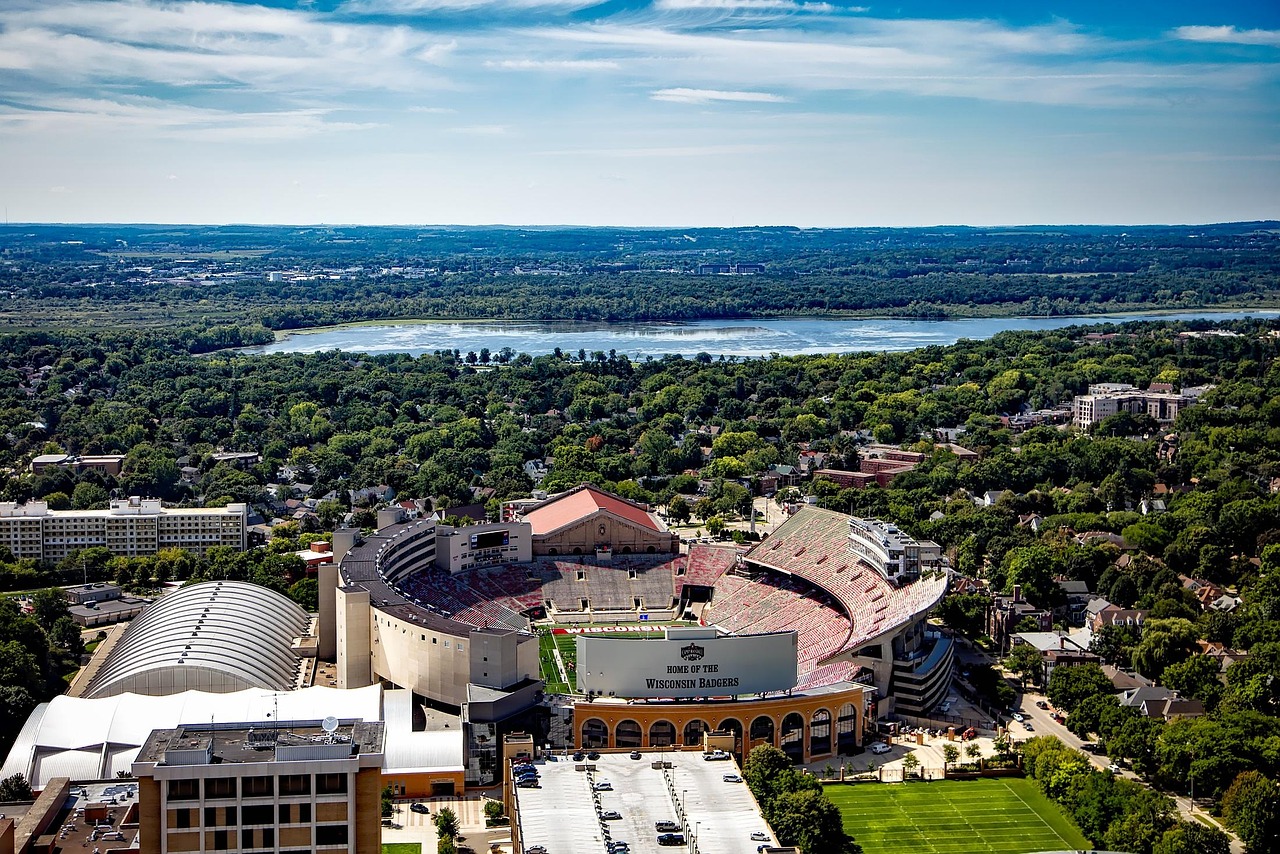
Photo by 12019 on Pixabay.