
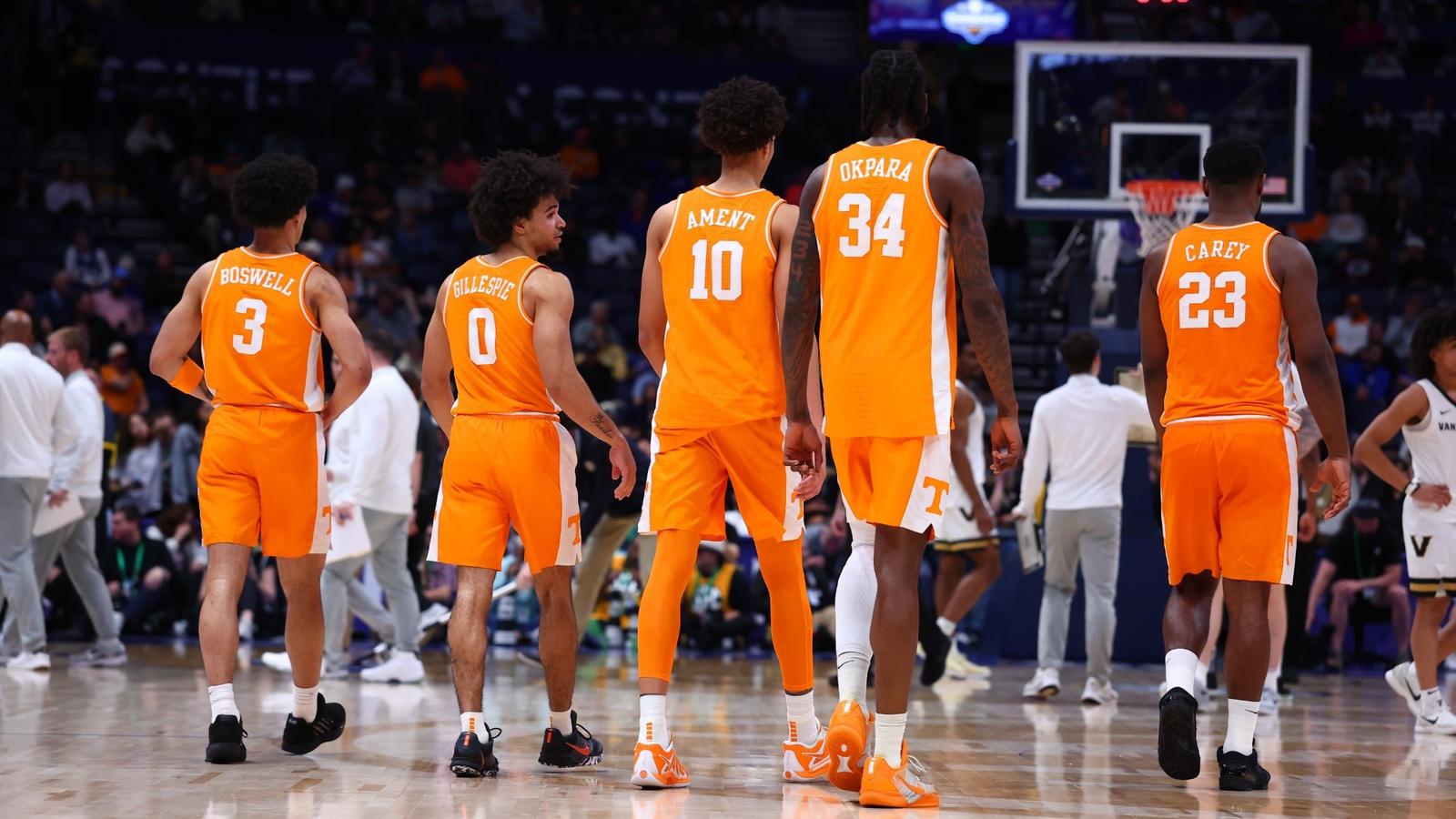
Vanderbilt’s Strategic Resilience Secures SEC Tournament Win Over Tennessee
Vanderbilt’s 75-68 victory over Tennessee in the SEC Tournament quarterfinals transcended a typical bracket progression; it served as a case study in strategic adaptation under pressure. The third meeting between the rivals in 20 days, the contest highlighted the competitive intensity of the SEC and the critical role of non-scoring metrics in determining outcomes when offensive efficiency falters. This analysis examines how Vanderbilt leveraged structural advantages to overcome initial struggles and secure a victory that significantly impacts both institutions’ postseason trajectories.
Operational Analysis: Overcoming Inefficiency through In-Game Adjustments
The game began with a notable level of inefficiency for both teams, a common characteristic of high-stakes, high-pressure tournament environments. Both teams started poorly from the field, combining for a 2-of-12 start. Tennessee’s defense initially stifled Vanderbilt, holding them without a made field goal for 5 minutes and 37 seconds in the first half. This early struggle indicated strategic misfires in the initial game plan, but Vanderbilt’s resilience became evident through subsequent adjustments.
Despite low overall shooting percentages—Vanderbilt finished at 38% and Tennessee at 40%—Vanderbilt demonstrated superior operational adaptation. Following the initial slump, Vanderbilt found its rhythm by improving shooting efficiency significantly, posting a 9-of-15 run for the remainder of the half. This contrasted with Tennessee’s less consistent performance over the same period (12-of-26), allowing Vanderbilt to stabilize its offense and gain control of the narrative by halftime.
Rebounding Disparity and Possession Control as Strategic Leverage
The most decisive strategic differentiator in the contest was Vanderbilt’s control of the glass. Vanderbilt secured a substantial rebounding advantage, finishing with 46 total rebounds compared to Tennessee’s 34. This disparity provided Vanderbilt with crucial second-chance opportunities and effectively limited Tennessee’s offensive possessions. While Tennessee held an edge in offensive rebounding (15-6), Vanderbilt’s dominance on the defensive glass neutralized Tennessee’s ability to capitalize on those opportunities.
In a contest where three-point shooting was inefficient for both sides (Vanderbilt at 24%, Tennessee at 26%), controlling the paint and securing rebounds became the primary leverage point. This structural advantage allowed Vanderbilt to compensate for offensive struggles and dictate the pace of play. By limiting Tennessee’s possessions and generating extra scoring chances, Vanderbilt maintained control of the game’s flow and ultimately secured the victory through possession management rather than high-octane scoring.
Postseason Implications and Institutional Narrative
The outcome carries distinct implications for both programs’ postseason positioning and institutional narratives. For Vanderbilt, the victory validates their regular-season performance, strengthens their resume for the upcoming NCAA tournament, and enhances their institutional standing within the SEC. The win against a closely ranked rival provides a significant boost to recruiting efforts and fan engagement, particularly given the near home-court advantage provided by Nashville’s Bridgestone Arena.
For Tennessee, the loss creates downstream challenges regarding seeding and momentum. Both teams finished with identical conference records (11-7 SEC), making this quarterfinal matchup a de facto tiebreaker for seeding purposes. While individual performances, such as senior guard Ja’Kobi Gillespie’s team-leading 21 points, stand out, the early exit introduces uncertainty for the selection committee regarding momentum and recent performance. The financial and reputational implications of a higher seed in the NCAA Tournament are substantial, affecting media revenue distribution and institutional branding.

Photo by Ernest_Roy on Pixabay.