Interconnected Hazards: Fort Collins Fire Highlights Systemic Risk
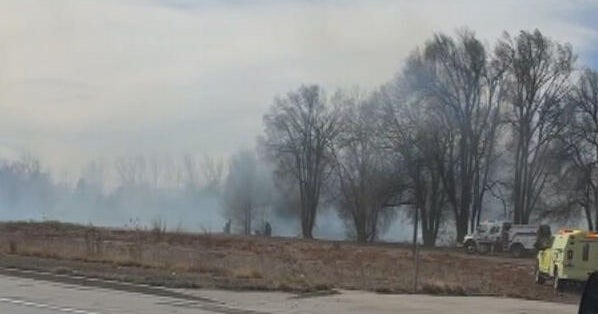
On March 12, 2026, a high-wind event near Fort Collins, Colorado, ignited the Sterry Fire, exposing critical vulnerabilities within the region’s infrastructure and emergency response framework. The incident quickly necessitated mandatory evacuations and led to the closure of the Colorado State University (CSU) campus. Fueled by high winds, the fire’s impact cascaded beyond immediate conflagration, causing simultaneous collateral damage that complicated the operational response.
Evacuation Logistics and Socioeconomic Vulnerability
The Larimer County Sheriff’s Office issued mandatory evacuation orders for residents near the Poudre Valley Mobile Home Park. The selection of this specific area for door-to-door notification highlights significant socioeconomic vulnerabilities. Mobile home parks, characterized by higher population density and unique construction materials, often face elevated risk during rapid-onset disasters due to potentially limited egress routes and faster fire spread. The resource-intensive nature of door-to-door alerts underscores a dependency on manual intervention, suggesting potential gaps in automated alert systems for vulnerable populations during emergencies.
Infrastructure Disruption and Institutional Resilience
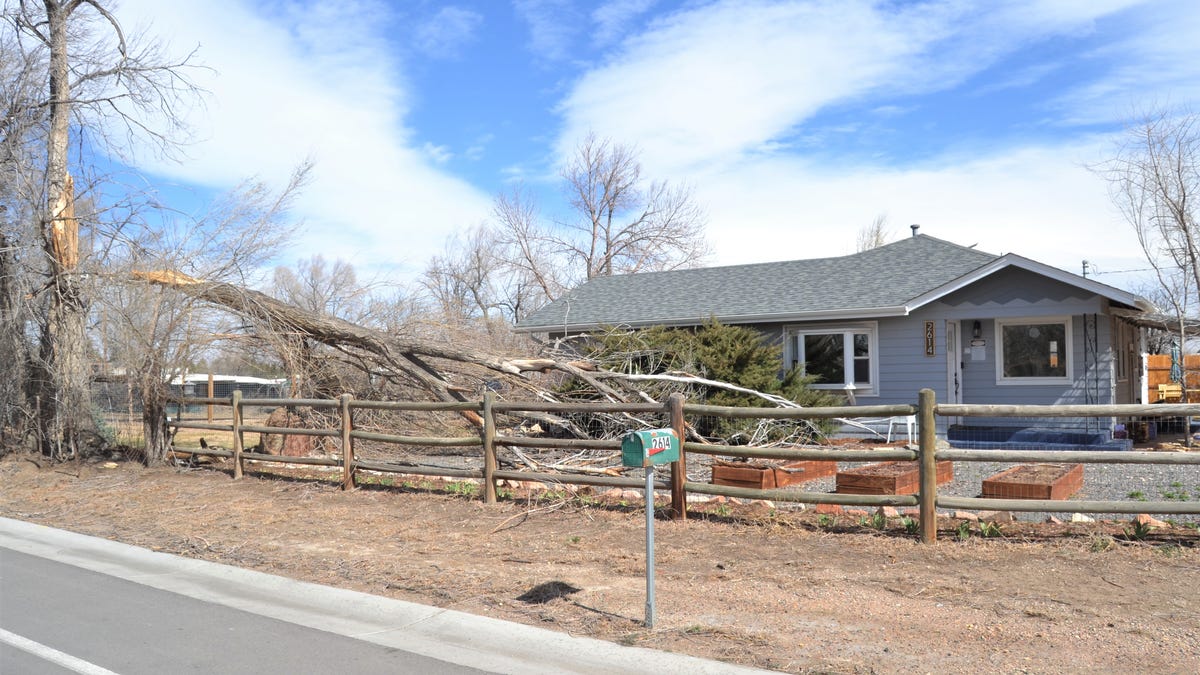
The high winds acted as a dual threat: driving the fire and simultaneously causing physical damage, specifically downed trees on North Shields Street. This dual impact created a complex operational challenge for emergency services, requiring resources to manage both fire suppression and infrastructure damage. The incident’s economic disruption was immediate and significant, compelling the closure of the CSU campus. This decision, prioritizing safety over operational continuity, reflects the rapid assessment of risk by institutional leadership and demonstrates the substantial logistical and financial consequences that high-risk environmental events pose to major regional institutions.
Cascading Effects on Transportation and Response Efficiency
The emergency response activities led to the closure of U.S. 287 at North Shields Street, disrupting a critical north-south transportation corridor. This localized closure demonstrates how environmental hazards can cascade into broader logistical challenges for regional commerce and daily commuters. Furthermore, the source data notes a separate incident where a fire flare-up was extinguished only after a FOX31 reporter called 911. This specific detail highlights potential gaps in real-time surveillance and information flow for emergency services, suggesting a reliance on non-traditional reporting mechanisms to ensure comprehensive situational awareness during rapidly evolving high-events.
Long-Term Mitigation and Policy Implications
The Sterry Fire serves as a case study for the need for enhanced long-term resilience strategies in Larimer County. The recurring nature of high-wind events and associated wildfire risks necessitates sustained investments in wildland fire suppression capabilities and proactive vegetation management. The incident underscores the importance of infrastructure hardening to withstand high-wind damage and ensure the functionality of essential transportation networks during critical periods. Effective risk management requires a holistic approach that anticipates and mitigates multiple hazards concurrently, ensuring that local policies address both immediate response and long-term community resilience.